Skin Care Guide: Explore Skin Types, Routines, Products, Ingredients, and Care Factors
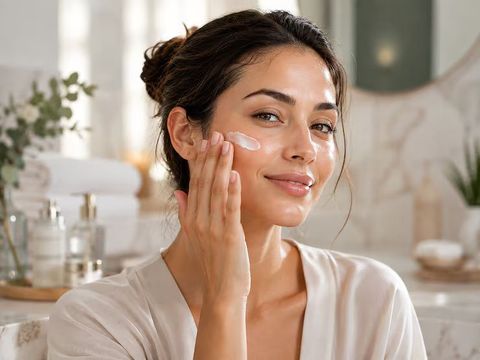
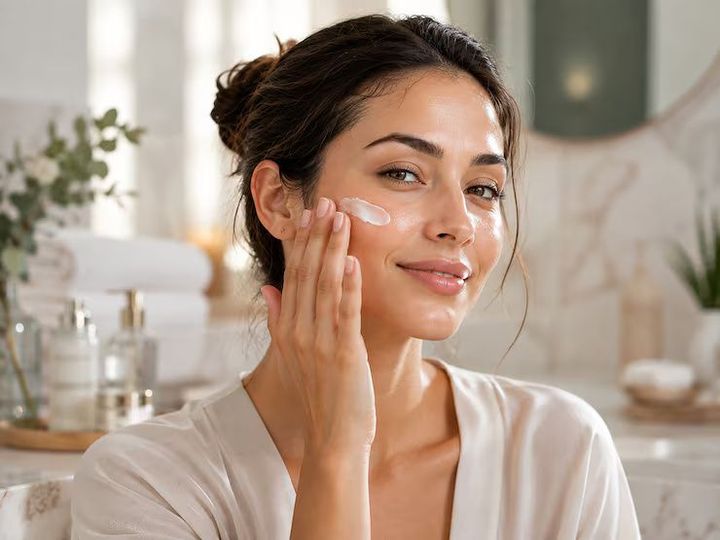
Skin care refers to the everyday practices used to cleanse, protect, and maintain the skin. A skin care routine can involve different products and methods depending on an individual's skin type, environment, age, and personal needs. The subject has developed over centuries, beginning with traditional cleansing and moisturizing practices and gradually expanding through scientific research and cosmetic development.
Modern skin care includes a wide range of products, such as cleansers, moisturizers, sunscreens, serums, and other topical formulations. However, not every product is suitable for every person. Understanding skin types and ingredients can provide useful context when developing a routine.
The skin is the body's largest organ and acts as a protective barrier between the body and the outside environment. It helps regulate temperature, reduces moisture loss, and provides protection from many external substances. Environmental conditions, lifestyle factors, and daily habits can all influence its appearance and condition.
Understanding the Main Skin Types
Skin types are commonly grouped into several broad categories. These categories can help explain how the skin may respond to different environmental conditions and skin care products.
- Normal skin: Often describes skin with a relatively balanced appearance and moisture level.
- Dry skin: May feel tight or rough and can experience visible flaking.
- Oily skin: Produces more natural oil and may develop a shiny appearance.
- Combination skin: Can have both oily and dry areas, often in different parts of the face.
- Sensitive skin: May react more easily to certain products or environmental factors.
Skin characteristics can change over time. Seasonal weather, hormonal changes, aging, and environmental exposure may affect how the skin behaves.
Importance
Skin care is important because the skin is continuously exposed to sunlight, pollution, changing temperatures, and other environmental conditions. Basic care practices can support cleanliness and help maintain the skin's natural protective barrier.
A consistent skin care routine can also help people better understand how their skin responds to different products and conditions. Rather than following every changing trend, understanding individual skin characteristics can make product selection more informed.
The Role of Daily Skin Care
A simple routine often focuses on a few basic activities. Cleansing can remove accumulated dirt and oil, while moisturizing can support the skin's moisture barrier.
Sun protection is another important consideration because ultraviolet radiation can affect the skin. The appropriate form of protection can depend on factors such as outdoor exposure, climate, and individual circumstances.
A basic routine may include:
- Cleansing the skin appropriately.
- Applying a suitable moisturizer when needed.
- Using sun protection during relevant periods of exposure.
- Avoiding unnecessary use of multiple products at once.
- Observing how the skin responds to changes.
Factors That Can Affect Skin
Skin condition can be influenced by numerous internal and external factors. Understanding these influences provides a broader view of skin care.
| Care Factor | Possible Influence on Skin |
|---|---|
| Climate | May affect moisture levels and oil production |
| Sun exposure | Can affect the skin over time |
| Pollution | May contribute to the accumulation of particles on the skin |
| Sleep patterns | May influence overall physical appearance |
| Diet and hydration | Form part of general health and daily habits |
| Product ingredients | May affect different skin types differently |
| Age | Can influence skin texture and moisture retention |
These factors do not affect every individual in the same way. Skin care routines often need to account for personal circumstances and changing conditions.
Recent Updates
Greater Focus on Skin Barrier Care
From 2024 through 2026, skin barrier care has remained an important area of discussion. The skin barrier is associated with the outer layer of the skin and its role in retaining moisture and providing protection.
This trend has increased interest in simpler routines and products designed around cleansing and moisturizing. However, individual responses to specific formulations can differ.
Increased Ingredient Awareness
Consumers are increasingly examining ingredient lists and seeking information about the purpose of various compounds used in skin care products. Commonly discussed ingredients include hyaluronic acid, niacinamide, ceramides, peptides, and various exfoliating compounds.
Understanding an ingredient's general function can be useful, but its presence alone does not determine how a particular product will affect every individual.
Personalized Skin Care Technology
Digital tools have become more common in the skin care industry. Some platforms use questionnaires or image-based assessments to provide general information about skin characteristics.
These technologies can help organize information, but they have limitations. A digital assessment may not identify every skin-related concern accurately.
Simplified Product Routines
Another general trend is the movement toward routines with fewer products. Using multiple active ingredients simultaneously can sometimes make it difficult to determine which product is causing a particular reaction or change.
Simplified routines may therefore focus on basic cleansing, moisturizing, and appropriate sun protection before adding additional products.
Laws or Policies
Skin care products are generally subject to regulations that vary between countries. Rules may address ingredient safety, manufacturing standards, product labeling, and marketing claims.
Product Labeling Requirements
Many countries require cosmetic products to display certain information on their packaging. This can include an ingredient list, manufacturer details, directions for use, and relevant warnings.
Labeling rules can help consumers identify the contents of a product. However, requirements may vary between different regions.
Ingredient Regulations
Some substances used in cosmetic products may be restricted or regulated depending on local laws. Governments and regulatory bodies can review ingredients based on available scientific information and safety considerations.
A product that is permitted in one country may have different labeling or ingredient requirements in another. International travelers may therefore encounter variations between products in different markets.
Advertising and Product Claims
Advertising regulations may limit misleading or unsupported claims about cosmetic products. Companies generally need to consider applicable laws when describing what a product can do.
Skin care information should also distinguish between general cosmetic products and products intended for the treatment of medical conditions. Persistent or serious skin concerns may require assessment by a qualified healthcare professional.
Tools and Resources
Several resources can help individuals organize and understand a skin care routine. These tools can provide general information but do not replace professional assessment when it is needed.
Ingredient Information Resources
Ingredient databases and educational websites can explain the common purpose of ingredients found in skin care products. They may help users understand whether an ingredient is generally associated with moisturizing, cleansing, exfoliating, or other functions.
Information should be reviewed carefully because ingredient effects can depend on concentration, formulation, and individual skin characteristics.
Skin Care Routine Trackers
Digital journals and routine trackers can help people record which products they use and how their skin changes over time. Keeping a simple record may help identify patterns related to seasonal conditions or changes in a routine.
Useful information to record may include:
- Product name and type.
- Main ingredients.
- Frequency of use.
- General skin observations.
- Changes in climate or environment.
Product Label Guides
Learning how to read a product label can help people understand the basic contents and instructions associated with a skin care product. Labels may also provide warnings and recommendations for product storage.
A patch test may be considered before introducing some products, particularly when an individual has previously experienced reactions. The method and suitability of testing can depend on the product and individual circumstances.
Sun Exposure Information
Government health organizations and public health resources often provide general information about ultraviolet radiation and sun exposure. Weather and ultraviolet index tools can also help people understand changing outdoor conditions.
These resources are particularly relevant because sun exposure can vary according to location, season, time of day, and weather conditions.
FAQs
What are the main skin types?
The commonly discussed skin types are normal, dry, oily, combination, and sensitive skin. A person's skin characteristics may change over time because of environmental conditions and other factors.
What should a basic skin care routine include?
A basic skin care routine may include appropriate cleansing, moisturizing, and sun protection when relevant. Additional products depend on individual skin characteristics and preferences.
How can I identify my skin type?
Observing how the skin feels and behaves throughout the day may provide general information about skin characteristics. Persistent concerns or significant changes may require guidance from a qualified healthcare professional.
Which skin care ingredients are commonly used?
Common skin care ingredients include moisturizers, humectants, ceramides, niacinamide, and various exfoliating compounds. Their effects can depend on the complete product formulation and the individual's skin.
Can skin care routines change with the seasons?
Yes. Changes in temperature, humidity, and sun exposure can influence how the skin feels. Some people adjust their skin care routines according to seasonal conditions.
Conclusion
Understanding skin types, routines, products, ingredients, and environmental factors can provide a useful foundation for general skin care knowledge. Individual skin characteristics can vary, meaning that the same routine may not produce the same results for everyone. A simple and consistent approach can make it easier to observe how the skin responds to different products and conditions. Skin care practices should also consider product instructions, safety information, and changing environmental factors.