Guide to Battery Swap Tech: Basics, Explanation, and Informative Tips to Learn More
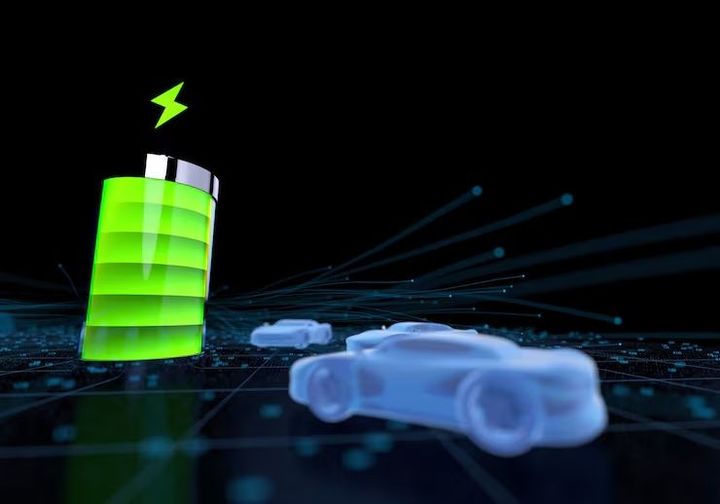
Battery swap technology is a system designed to replace a depleted electric vehicle battery with a fully charged one in a short amount of time. Instead of waiting for a vehicle battery to recharge, drivers can exchange it at a dedicated station. This concept has gained attention as electric mobility expands across different regions.
The Guide to Battery Swap Tech: Basics, Explanation, and Informative Tips to Learn More helps readers understand how this approach works and why it is being discussed in transportation and energy conversations. Battery swap systems aim to simplify energy replenishment for electric vehicles while reducing waiting time associated with charging.
Battery swapping is not a completely new idea. Early electric mobility projects explored the concept years ago, but improvements in vehicle design, digital monitoring systems, and battery management technologies have made the approach more practical. Today, battery swap technology is often discussed alongside charging infrastructure as part of broader electric mobility strategies.
Many electric two-wheelers, three-wheelers, and commercial fleets are experimenting with battery swap systems. These vehicles often operate on predictable routes and schedules, making battery exchange stations easier to integrate into daily operations.
Importance
Supporting Electric Mobility Growth
Battery swap technology plays a role in the expansion of electric transportation. As electric vehicles become more common, energy replenishment systems must keep pace with demand. Battery swapping provides an alternative method that complements traditional charging.
For drivers and fleet operators, the ability to exchange batteries quickly can help maintain vehicle usage throughout the day. This is particularly relevant for vehicles used for delivery, transport, or other frequent travel activities.
Reducing Waiting Time
One reason battery swap technology attracts attention is the shorter time required to exchange batteries compared with charging. In many cases, the exchange process takes only a few minutes.
Instead of parking a vehicle for extended charging sessions, drivers can continue their travel shortly after the swap is completed. This approach may help reduce downtime for vehicles that operate continuously.
Addressing Infrastructure Challenges
Developing charging infrastructure across large regions can take time. Battery swap systems may help address some of these challenges by centralizing battery charging within controlled environments.
Some potential advantages include:
- Standardized battery management: centralized charging allows operators to monitor battery health and performance.
- Space efficiency: swap stations can support multiple vehicles without long parking durations.
- Energy balancing: batteries can be charged during periods of lower electricity demand.
These factors contribute to discussions about how battery swap technology fits into wider electric mobility planning.
Recent Updates
Expanding Battery Swap Networks
Between 2024 and 2026, several transportation initiatives have explored battery swapping for electric two-wheelers and small commercial vehicles. Urban mobility programs in various countries are examining how swap stations can support growing electric vehicle adoption.
Some mobility platforms have introduced battery exchange points in dense urban areas where vehicles frequently operate. These locations aim to support delivery vehicles, ride services, and commuter transportation.
Advances in Battery Standardization
Battery standardization has become an important focus in recent developments. For battery swap technology to function efficiently, batteries often need compatible designs across different vehicles.
Research and pilot programs are exploring standardized battery modules that allow different vehicle models to use similar battery units. Standardization helps simplify battery exchange processes and supports wider network compatibility.
Digital Monitoring and Battery Management
Modern battery swap systems increasingly rely on digital monitoring platforms. These systems track battery performance, charging cycles, and overall condition.
Technologies involved in battery management include:
- Smart battery identification systems
- Remote monitoring platforms
- Battery health tracking algorithms
- Automated swap station mechanisms
These technologies help maintain operational safety and ensure batteries remain within recommended performance ranges.
Comparison of Energy Replenishment Methods
| Method | Typical Process | Time Requirement | Infrastructure Needs |
|---|---|---|---|
| Home Charging | Vehicle connected to household charger | Several hours | Residential charging equipment |
| Public Charging | Vehicle plugged into public charging station | Moderate charging duration | Charging networks and parking space |
| Battery Swap | Depleted battery exchanged for charged unit | Short exchange time | Dedicated swap stations and standardized batteries |
Each method contributes differently to the electric mobility ecosystem. Battery swap technology often complements other charging methods rather than replacing them entirely.
Laws or Policies
Electric Mobility Policies
Battery swap technology is influenced by national and regional transportation policies. Governments that promote electric mobility often include battery infrastructure planning within broader energy and transportation programs.
Policies typically address topics such as:
- Battery safety regulations
- Vehicle battery standards
- Infrastructure guidelines
- Environmental considerations related to battery production and recycling
These regulatory frameworks help ensure that battery swapping systems operate within safety and environmental guidelines.
Example: India’s Battery Swapping Framework
In India, battery swapping has received attention within electric mobility planning initiatives. Policy discussions have focused on improving infrastructure for electric two-wheelers and three-wheelers, which are widely used for urban transportation.
Key aspects discussed in policy frameworks include:
- Interoperable battery systems: allowing batteries to work across compatible vehicles.
- Battery ownership models: separating vehicle ownership from battery usage in some cases.
- Safety guidelines: defining standards for battery handling, charging, and storage.
Government programs related to electric mobility also emphasize battery recycling and sustainable material management to reduce environmental impact.
International Policy Approaches
Different countries explore battery swap systems in various ways. Some governments focus on pilot projects and partnerships with mobility companies to test infrastructure models.
International policy approaches may involve:
- research collaborations with universities
- pilot programs in selected cities
- infrastructure funding initiatives
- battery safety certification programs
These policies help guide the gradual integration of battery swap technology into transportation systems.
Tools and Resources
Understanding battery swap technology becomes easier with access to informational tools and platforms that explain electric vehicle systems and battery performance.
Electric Vehicle Information Platforms
Educational websites about electric mobility provide detailed explanations of battery systems, charging methods, and energy management.
Examples of widely referenced organizations include:
- International Energy Agency
- International Council on Clean Transportation
- NITI Aayog
These organizations publish reports and research related to electric mobility and battery technology.
Battery Monitoring and Data Platforms
Battery swap networks often rely on digital platforms that monitor battery condition and charging cycles. Such platforms may include:
- battery health monitoring dashboards
- fleet energy tracking systems
- predictive maintenance analytics
- charging optimization software
These systems help operators manage battery performance and ensure consistent energy supply for vehicles.
Educational Tools and Learning Resources
People interested in learning more about battery swap technology can explore various educational resources, including:
- online learning modules about electric mobility
- research papers on battery management systems
- public transportation policy reports
- technology webinars discussing energy infrastructure
These resources help explain how battery swap systems integrate with broader transportation and energy strategies.
FAQs
What is battery swap technology and how does it work?
Battery swap technology allows electric vehicle batteries to be exchanged at specialized stations. A depleted battery is removed from the vehicle and replaced with a fully charged battery, allowing the vehicle to resume operation without waiting for charging.
Why is battery swap technology discussed in electric mobility planning?
Battery swap technology is discussed because it can reduce waiting time associated with charging and support vehicles that operate continuously. It may also help manage battery charging within centralized systems.
Which vehicles commonly use battery swap systems?
Battery swap systems are commonly explored for electric two-wheelers, three-wheelers, and commercial fleets. These vehicles often travel predictable routes and may benefit from quick battery exchanges during daily operations.
Is battery swap technology compatible with all electric vehicles?
Not all electric vehicles are designed for battery swapping. Compatibility often depends on vehicle design and battery standardization. Some pilot programs focus on developing interchangeable battery modules for specific vehicle categories.
Where can readers learn more from a Guide to Battery Swap Tech?
Readers can explore electric mobility research from organizations such as the International Energy Agency or policy reports from NITI Aayog. These sources provide insights into battery infrastructure, energy systems, and transportation developments.
Conclusion
Battery swap technology represents one approach to managing energy supply for electric vehicles. By allowing batteries to be exchanged rather than recharged inside the vehicle, the system aims to reduce waiting time and support continuous vehicle operation. Recent developments highlight efforts toward battery standardization, digital monitoring, and infrastructure planning. Policies and research programs continue to explore how battery swapping can integrate with broader electric mobility strategies. Understanding the basics of battery swap technology helps explain its potential role in future transportation systems.