Guide to Hydraulic Pumps: Basics, Explanation, and Informative Tips to Learn More
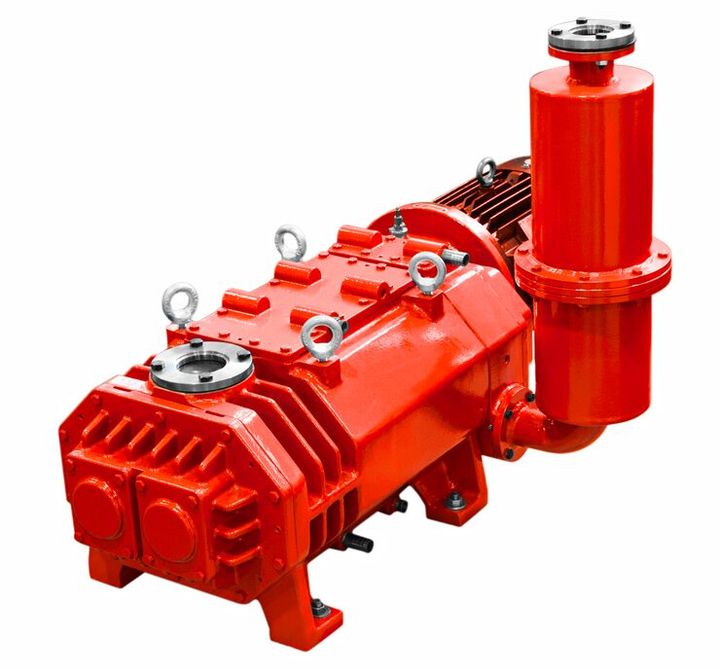
Hydraulic pumps are mechanical devices that convert mechanical energy into hydraulic energy. They play a key role in hydraulic systems by moving fluid, usually oil, through pipes and components to generate force and motion. This technology is widely used in industrial equipment, construction machinery, manufacturing tools, and transportation systems.
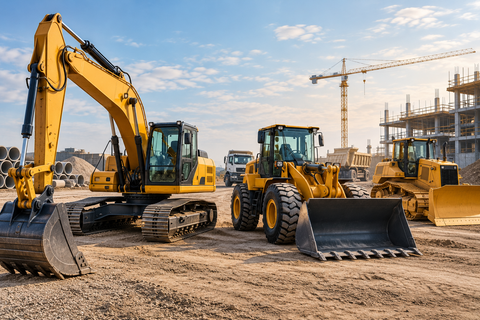
The concept of hydraulic power has existed for centuries. Early hydraulic systems relied on water movement to transfer energy. Over time, engineers developed modern hydraulic pumps that use pressurized fluid to operate heavy equipment with precision and reliability. Today, hydraulic pumps are commonly found in machines such as excavators, loaders, agricultural tractors, and industrial presses.
Understanding hydraulic pumps helps explain how many modern machines function. These systems rely on fluid pressure to perform tasks such as lifting heavy loads, moving mechanical arms, or controlling motion in industrial processes.
Types of Hydraulic Pumps
Hydraulic pumps are categorized based on their internal mechanism and how they move fluid. Common types include:
- Gear pumps: These pumps use rotating gears to move hydraulic fluid through the system. They are often used in applications requiring steady fluid flow.
- Vane pumps: These pumps use sliding vanes mounted on a rotor to create pressure. They are commonly found in medium-pressure hydraulic systems.
- Piston pumps: These pumps use reciprocating pistons to generate high pressure. They are used in equipment that requires strong hydraulic force.
- Axial piston pumps: Pistons move parallel to the drive shaft, allowing precise control in many industrial machines.
- Radial piston pumps: Pistons move outward from a central axis, often used in systems that require very high pressure.
Each design supports different types of machines depending on pressure requirements, fluid flow rate, and operating conditions.
Importance
Hydraulic pumps are important because they allow machines to perform tasks that require high force and controlled movement. By using fluid pressure instead of direct mechanical force, hydraulic systems can operate large equipment efficiently.
Industries that depend heavily on hydraulic pumps include construction, agriculture, manufacturing, mining, and transportation. Machines such as cranes, forklifts, presses, and excavators rely on hydraulic systems to lift, move, or compress materials.
Hydraulic technology also helps improve operational control. Hydraulic systems allow precise adjustments in speed, direction, and force, which is valuable in manufacturing and automated equipment.
Some key benefits of hydraulic systems powered by hydraulic pumps include:
- High power density: Hydraulic systems can generate strong force using relatively compact equipment.
- Smooth motion control: Fluid pressure allows gradual and controlled movement.
- Durability: Hydraulic components often function in demanding environments such as construction sites or factories.
- Flexibility in design: Hydraulic pumps can be integrated into various machines and industrial processes.
Because of these advantages, hydraulic pumps remain a common component in modern mechanical systems.
Typical Pressure and Flow Characteristics
Different hydraulic pump types operate at varying pressure levels and flow capacities depending on their design.
| Pump Type | Typical Pressure Range | Common Applications |
|---|---|---|
| Gear Pump | 70–210 bar | Agricultural machines, material handling equipment |
| Vane Pump | 70–175 bar | Industrial machinery and manufacturing tools |
| Axial Piston Pump | 210–420 bar | Construction machinery and heavy equipment |
| Radial Piston Pump | Up to 700 bar | High-pressure industrial systems |
These values are general ranges used in many hydraulic applications.
Recent Updates
Between 2024 and 2026, hydraulic pump technology has continued to evolve with improvements in efficiency, monitoring, and environmental performance.
One noticeable development is the integration of digital monitoring systems. Many hydraulic systems now include sensors that track pressure, temperature, and fluid flow. These sensors provide real-time information that helps operators understand how machines are functioning.
Another trend involves energy efficiency. Engineers are working to improve hydraulic pump designs that reduce energy loss during fluid movement. Variable displacement pumps, which adjust fluid flow based on system demand, are increasingly used in industrial and mobile equipment.
Manufacturers have also focused on reducing noise and vibration levels in hydraulic systems. New materials and improved pump designs help decrease operational noise in industrial environments.
Environmental considerations are another factor influencing modern hydraulic systems. Research continues on biodegradable hydraulic fluids and improved sealing technologies that help limit fluid leakage.
Overall, recent developments aim to improve efficiency, monitoring capability, and environmental compatibility while maintaining reliable hydraulic performance.
Laws or Policies
Hydraulic pumps and related hydraulic systems are influenced by safety standards, industrial regulations, and environmental guidelines. These rules help ensure safe equipment operation and proper fluid management.
In many countries, workplace safety organizations establish regulations for machinery that uses hydraulic systems. These rules often require proper maintenance procedures, pressure control devices, and operator safety guidelines.
Examples of relevant organizations and standards include:
- International Organization for Standardization: Provides international standards related to hydraulic components, fluid power systems, and safety requirements.
- Occupational Safety and Health Administration: Establishes workplace safety regulations for industrial equipment and machinery in the United States.
- Bureau of Indian Standards: Develops technical standards related to engineering equipment and industrial systems used in India.
Environmental regulations may also influence hydraulic systems, particularly concerning fluid handling, leak prevention, and proper disposal of hydraulic oil.
These policies help guide manufacturers, engineers, and operators in maintaining safe and responsible hydraulic system operation.
Tools and Resources
Learning about hydraulic pumps and hydraulic systems often involves using educational tools, technical documents, and engineering resources.
Several organizations provide useful materials for understanding hydraulic technology:
- International Organization for Standardization: Offers technical standards related to fluid power systems.
- National Fluid Power Association: Provides educational resources, diagrams, and training information about hydraulic systems.
- Engineering Toolbox: Contains engineering references related to fluid mechanics and hydraulic calculations.
Other helpful learning resources include:
- Hydraulic calculators: Tools used to estimate flow rate, pressure drop, and fluid velocity.
- Technical manuals: Documents explaining the internal design and operation of hydraulic pumps.
- Educational simulation software: Programs used in engineering education to visualize hydraulic system behavior.
- Industry research publications: Reports and articles discussing trends in fluid power technology.
These tools support students, engineers, and general readers who want to understand hydraulic pump operation in greater detail.
FAQs
What is a hydraulic pump and how does it work?
A hydraulic pump is a device that converts mechanical energy into hydraulic energy by moving fluid through a hydraulic system. As the pump moves the fluid, pressure is created, which powers mechanical components such as cylinders or motors.
What are the main types of hydraulic pumps?
Common hydraulic pump types include gear pumps, vane pumps, axial piston pumps, and radial piston pumps. Each type differs in internal design and pressure capability, which determines where it is used in machinery or industrial equipment.
Where are hydraulic pumps commonly used?
Hydraulic pumps are used in construction machinery, agricultural equipment, industrial manufacturing systems, transportation vehicles, and heavy lifting machines. They help generate force needed for lifting, pressing, or moving mechanical parts.
Why are hydraulic pumps important in industrial systems?
Hydraulic pumps allow machines to perform tasks that require strong force and controlled motion. Hydraulic systems provide smooth movement, adjustable speed, and reliable operation in many industrial environments.
How is hydraulic pump performance measured?
Hydraulic pump performance is typically measured using factors such as pressure level, flow rate, efficiency, and operating temperature. These measurements help engineers understand how effectively a hydraulic system functions.
Conclusion
Hydraulic pumps play a central role in many mechanical and industrial systems by converting mechanical energy into hydraulic energy. They allow machines to produce controlled force using pressurized fluid. Different pump designs support a wide range of applications, from manufacturing equipment to construction machinery. Recent developments in monitoring systems and energy efficiency continue to shape hydraulic pump technology. Understanding these systems helps explain how many modern machines operate.