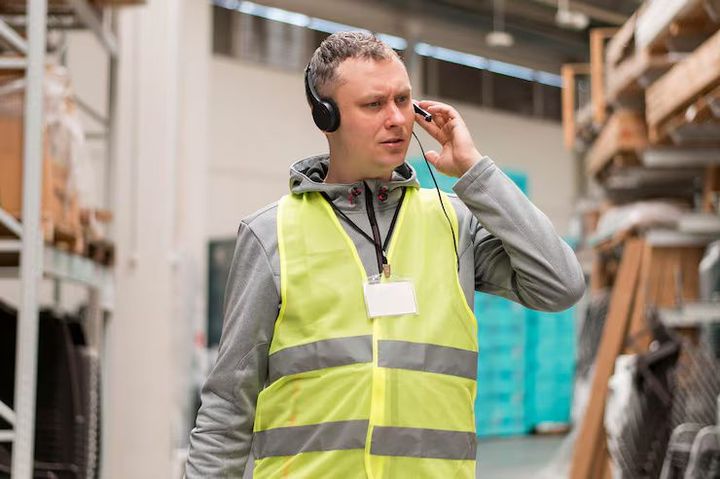
Guide to Industrial Noise Monitoring Systems Explained For Informational Reading
Industrial noise monitoring systems are technologies used to measure, track, and analyze sound levels in factories, warehouses, construction zones, power plants, and other industrial environments. These systems help organizations understand how much noise is produced during daily operations and whether it stays within acceptable safety limits.
Noise is a common part of industrial activity. Heavy machinery, generators, compressors, conveyor systems, turbines, drilling equipment, and manufacturing processes can create high sound pressure levels. Over time, continuous exposure to excessive noise may affect worker health, communication, and workplace safety.
Industrial sound monitoring systems are designed to collect accurate acoustic data from different areas of a facility. The systems often include sound level meters, noise dosimeters, IoT sensors, cloud-based dashboards, acoustic monitoring software, and environmental reporting tools.
Common Types of Industrial Noise Sources
| Industrial Area | Typical Noise Source | Monitoring Purpose |
|---|---|---|
| Manufacturing Plants | Motors and machinery | Worker safety |
| Construction Sites | Drilling and demolition | Environmental compliance |
| Mining Operations | Crushers and blasting | Exposure tracking |
| Energy Facilities | Turbines and generators | Equipment monitoring |
| Logistics Warehouses | Conveyors and forklifts | Operational assessment |
Noise monitoring technology exists because industrial growth and urban expansion have increased public attention toward occupational health and environmental protection. Governments, labor organizations, and environmental agencies now encourage continuous workplace noise assessment to reduce hearing-related risks.
Modern industrial acoustic monitoring systems also support digital transformation strategies. Many facilities use connected sensors and automated reporting systems to improve workplace analytics and operational visibility.
Why Industrial Noise Monitoring Matters Today
Industrial noise management has become increasingly important due to rising awareness about workplace safety and environmental sustainability. High-decibel industrial settings may contribute to hearing damage, communication difficulties, fatigue, and reduced concentration among workers.
According to occupational health studies, long-term exposure to excessive sound levels may increase the risk of permanent hearing loss. This is especially relevant in industries such as manufacturing, mining, aviation, oil and gas, and infrastructure development.
Main Reasons Noise Monitoring Is Important
| Area of Impact | Explanation |
|---|---|
| Employee Health | Helps reduce prolonged exposure to harmful sound levels |
| Workplace Safety | Improves communication and emergency awareness |
| Regulatory Compliance | Supports industrial safety reporting requirements |
| Environmental Monitoring | Tracks community noise near industrial zones |
| Equipment Diagnostics | Detects abnormal machinery behavior through sound analysis |
Industrial noise assessment systems are also important for businesses located near residential areas. Communities increasingly expect industries to manage environmental noise responsibly, especially in rapidly urbanizing regions.
Another growing concern is the effect of industrial sound on productivity. Excessive workplace noise may interfere with concentration, increase stress, and reduce operational efficiency in some environments.
How Noise Monitoring Systems Solve Problems
Modern systems help organizations:
- Detect unsafe sound exposure levels
- Generate automated compliance reports
- Identify noisy equipment requiring maintenance
- Analyze trends using real-time dashboards
- Improve occupational health monitoring
- Support environmental impact studies
Many advanced workplace noise monitoring platforms now use artificial intelligence and predictive analytics to identify unusual sound patterns before equipment failure occurs.
Recent Updates and Industry Trends
Industrial noise monitoring technology has evolved significantly during 2025 and 2026. Several trends are shaping how industries approach workplace acoustic management and environmental sound analysis.
Rise of IoT-Based Noise Monitoring
Over the past year, industries have increasingly adopted IoT-enabled sound sensors. These devices continuously transmit real-time acoustic data to centralized cloud platforms. This trend supports remote monitoring and faster decision-making.
Cloud-connected monitoring systems are becoming common in smart factories and Industry 4.0 environments because they simplify large-scale data collection and reporting.
AI and Predictive Sound Analytics
In 2025, many industrial facilities began integrating AI-powered acoustic analysis into predictive maintenance programs. Machine learning tools can identify changes in vibration or sound signatures that may indicate equipment wear or mechanical issues.
This approach helps reduce unexpected downtime and improves operational planning.
Portable Monitoring Devices Becoming More Advanced
Recent portable industrial sound level meters now include:
- Wireless connectivity
- GPS tagging
- Mobile app integration
- Automated reporting functions
- Real-time alert systems
These features improve flexibility for safety inspectors and environmental monitoring teams.
Increased Attention to Environmental Noise
Several countries strengthened environmental noise management discussions during 2025, especially near urban industrial corridors. Local authorities in parts of Europe and Asia expanded environmental monitoring initiatives related to transportation and industrial development.
Growth of Smart City Monitoring Programs
Some municipalities have also introduced smart city acoustic monitoring programs that combine traffic noise, industrial sound monitoring, and environmental data into centralized digital platforms.
The chart below shows common industrial noise monitoring trends observed recently.
| Trend | Industry Adoption Level |
|---|---|
| IoT Noise Sensors | High |
| Cloud-Based Monitoring | High |
| AI Acoustic Analytics | Moderate |
| Smart City Integration | Growing |
| Mobile Noise Reporting Apps | Growing |
Laws and Policies Related to Industrial Noise Monitoring
Industrial noise regulations differ across countries, but many governments follow similar occupational health and environmental protection principles.
Workplace sound exposure rules are often based on maximum allowable decibel limits during an employee’s working shift.
Occupational Safety Regulations
Many countries follow standards influenced by organizations such as:
- Occupational safety authorities
- Environmental protection agencies
- Industrial labor departments
- International health organizations
In industrial settings, regulations may require employers to:
- Measure workplace noise exposure
- Maintain exposure records
- Provide hearing protection programs
- Conduct periodic acoustic assessments
- Reduce excessive noise where possible
Environmental Noise Policies
Environmental noise laws focus on protecting nearby communities from excessive industrial sound pollution. These rules may apply to:
- Factories near residential areas
- Construction projects
- Transportation hubs
- Energy infrastructure
Noise limits often vary depending on:
| Area Type | Typical Noise Restriction Focus |
|---|---|
| Residential Zones | Nighttime sound control |
| Industrial Zones | Worker exposure management |
| Commercial Areas | Public disturbance reduction |
| Mixed Urban Areas | Combined environmental monitoring |
Government Monitoring Programs
Several governments now encourage digital environmental monitoring systems for pollution management. In some regions, smart environmental compliance platforms are integrated into broader sustainability initiatives.
Industrial facilities may also need periodic environmental impact assessments that include sound monitoring data.
Tools and Resources Related to Industrial Noise Monitoring
Many digital tools and technologies support industrial acoustic assessment and workplace sound analysis.
Common Monitoring Devices
| Tool Type | Main Purpose |
|---|---|
| Sound Level Meter | Measures sound intensity |
| Noise Dosimeter | Tracks worker exposure over time |
| Acoustic Camera | Visualizes sound sources |
| IoT Noise Sensor | Continuous remote monitoring |
| Vibration Analyzer | Detects equipment abnormalities |
Software Platforms
Industrial acoustic software platforms often provide:
- Real-time dashboards
- Automated reporting
- Data visualization
- Compliance tracking
- Historical trend analysis
Mobile Applications
Some monitoring apps allow safety personnel to:
- Record sound measurements
- Generate field reports
- Upload site data
- Monitor alerts remotely
While smartphone apps may assist with basic awareness, professional industrial measurements usually require calibrated equipment for accurate results.
Educational Resources
Organizations involved in occupational health and environmental science often publish:
- Workplace sound exposure guidelines
- Acoustic safety templates
- Environmental assessment manuals
- Hearing conservation materials
Training programs related to industrial safety management may also include acoustic monitoring education.
Frequently Asked Questions
What is an industrial noise monitoring system?
An industrial noise monitoring system is a combination of devices and software used to measure and analyze sound levels in workplaces such as factories, construction sites, and industrial facilities.
Why is workplace noise monitoring important?
Workplace noise monitoring helps reduce the risk of hearing damage, improves safety communication, and supports compliance with occupational health regulations.
What industries commonly use acoustic monitoring systems?
Industries such as manufacturing, mining, oil and gas, aviation, logistics, construction, and energy production commonly use industrial acoustic monitoring technologies.
What is the difference between a sound level meter and a noise dosimeter?
A sound level meter measures noise levels in a specific location at a given time, while a noise dosimeter tracks an individual worker’s sound exposure throughout a work shift.
How often should industrial noise assessments be performed?
The frequency depends on local regulations, operational changes, and workplace risk levels. Many facilities conduct assessments periodically or whenever significant equipment or process changes occur.
Conclusion
Industrial noise monitoring systems play an important role in workplace safety, environmental protection, and operational management. As industries continue adopting digital technologies, sound monitoring solutions are becoming more connected, automated, and data-driven.
Modern acoustic monitoring tools help organizations understand workplace sound exposure, improve industrial compliance processes, and support safer working environments. Recent developments in IoT sensors, AI analytics, and cloud-based monitoring platforms are also transforming how industrial sound data is collected and analyzed.