Guide to Industrial Water Chillers: Basics, Explanation, and Informative Tips to Learn More
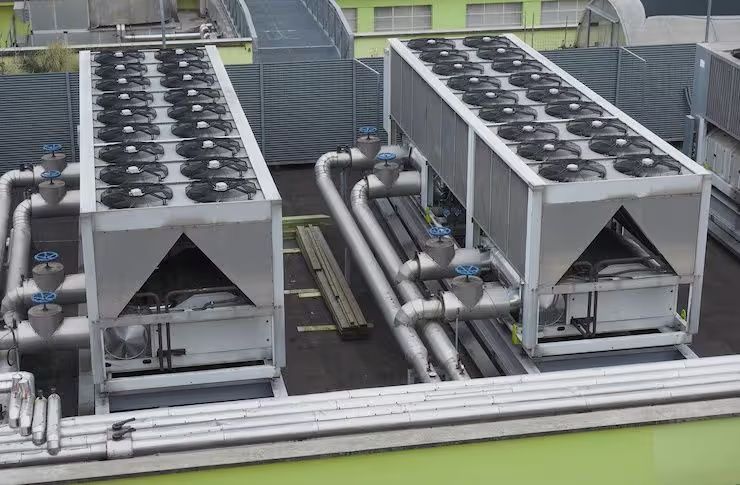
Industrial water chillers are cooling systems designed to remove heat from water and circulate that cooled water through equipment or processes. These systems are widely used in manufacturing, laboratories, food processing, medical equipment cooling, and many other industrial environments where temperature control is important.
The concept behind an industrial water chiller comes from basic refrigeration principles. Heat naturally moves from warmer areas to cooler ones. A chiller uses a refrigeration cycle to absorb heat from water and release it into the surrounding environment. The cooled water is then circulated through machines or systems that generate heat.
Many industrial operations generate significant heat during production. Machines, lasers, injection molding equipment, and chemical processes can all raise temperatures quickly. Without cooling systems, excessive heat can affect equipment performance, product quality, and operational stability.
Industrial water chillers exist to maintain stable operating temperatures. By removing excess heat from circulating water, these systems help maintain consistent process conditions across different industries.
How Industrial Water Chillers Work
The cooling process inside most industrial water chillers follows a basic refrigeration cycle that includes several components working together.
Key components include:
- Compressor: Compresses refrigerant gas and raises its pressure and temperature.
- Condenser: Releases heat from the refrigerant into air or water.
- Expansion valve: Reduces refrigerant pressure and temperature.
- Evaporator: Absorbs heat from the circulating water, cooling it.
During operation, warm water from equipment enters the evaporator. The refrigerant inside absorbs the heat from this water and evaporates. The refrigerant then moves through the compressor and condenser, where the heat is released before the cycle repeats.
Common Types of Industrial Water Chillers
Industrial cooling systems generally fall into two main categories:
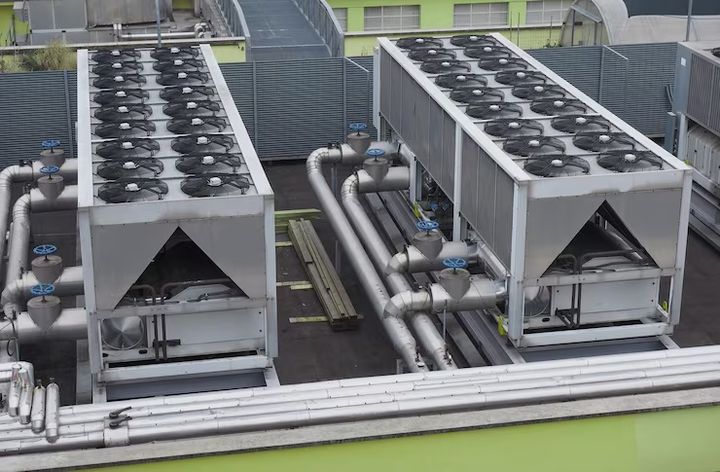
- Air-cooled chillers: Heat is released through fans that move air across condenser coils. These systems are often installed outdoors.
- Water-cooled chillers: Heat is transferred to another water loop that usually connects to cooling towers.
Both types are used across many industries depending on facility design and environmental conditions.
Importance
Temperature control plays an important role in many industrial processes. When machines operate for long periods, internal components generate heat through friction, electrical resistance, and chemical reactions. Without effective cooling, temperatures may rise beyond acceptable limits.
Industrial water chillers help address this challenge by maintaining controlled temperatures within equipment and production systems. Stable temperatures contribute to consistent manufacturing conditions and equipment protection.
Several sectors rely on industrial water chillers to maintain reliable operation:
- Plastic manufacturing: Injection molding machines produce heat during the molding cycle. Cooling systems regulate mold temperatures.
- Food and beverage processing: Temperature control helps maintain product stability during processing and storage.
- Medical imaging equipment: Systems such as scanners generate heat during operation and require cooling circuits.
- Laser and electronics production: Precision equipment often requires stable temperatures to maintain accuracy.
Cooling systems also support operational continuity. Excess heat may lead to equipment shutdowns or reduced performance. By removing heat from circulating water, industrial water chillers help maintain controlled operating environments.
Energy and Environmental Considerations
Cooling equipment also connects to broader discussions about energy efficiency and environmental management. Industrial facilities often monitor electricity consumption closely because cooling systems may operate continuously.
Modern industrial water chillers often include features intended to reduce energy use, such as:
- Variable-speed compressors
- Electronic expansion valves
- Advanced temperature monitoring systems
- Improved heat-exchange surfaces
These design improvements allow systems to adjust cooling capacity according to operational requirements rather than running at fixed output levels.
Typical Applications Across Industries
The range of industries using industrial water chillers continues to expand as manufacturing technologies evolve. Some common applications include:
- Plastic injection molding machines
- Metal finishing and machining processes
- Chemical reactors
- Semiconductor manufacturing
- Pharmaceutical production environments
- Printing equipment
- Industrial laser systems
Each application may require different cooling capacities depending on the amount of heat generated during operation.
Recent Updates
Industrial cooling technology has continued evolving in recent years. Several trends have influenced the design and operation of industrial water chillers between 2024 and 2026.
One major trend involves improved monitoring and automation. Many facilities now integrate chillers into centralized monitoring platforms. Sensors track temperature, pressure, and flow levels in real time, allowing operators to observe system performance continuously.
Another development is the growing use of environmentally conscious refrigerants. Refrigerants play a central role in the cooling cycle, but some traditional compounds have raised environmental concerns related to global warming potential. Manufacturers and facility managers have gradually adopted refrigerants with lower environmental impact.
Digital monitoring tools have also become more common. These systems can provide alerts when temperature readings fall outside normal ranges or when components require inspection. This approach helps facilities track system conditions without relying solely on manual observation.
Modular chiller designs have also gained attention. In modular systems, multiple smaller units operate together rather than relying on a single large unit. This structure allows cooling capacity to adjust based on operational needs.
Advances in System Efficiency
Energy efficiency improvements remain an ongoing focus. Several technologies contribute to improved operational efficiency:
- Variable frequency drives controlling compressor speed
- Microchannel heat exchangers improving heat transfer
- Advanced control algorithms regulating cooling output
- Improved insulation around refrigeration components
These developments aim to balance cooling performance with responsible energy usage.
Example Operating Parameters
The following table illustrates common operating ranges observed in industrial water chiller systems. Actual conditions may vary depending on the application and equipment design.
| Parameter | Typical Range | Purpose |
|---|---|---|
| Chilled water temperature | 5°C – 15°C | Maintains controlled process cooling |
| Condenser water temperature | 25°C – 35°C | Transfers heat away from refrigerant |
| Refrigerant pressure (low side) | 30 – 70 psi | Supports evaporation in evaporator |
| Refrigerant pressure (high side) | 150 – 300 psi | Supports condensation in condenser |
| Water flow rate | Varies by system capacity | Ensures consistent heat transfer |
These values provide general reference points rather than fixed operating rules.
Laws or Policies
Industrial water chillers operate within regulatory frameworks related to environmental protection, refrigerant handling, and energy efficiency. Many countries maintain guidelines that influence the design and operation of refrigeration systems.
Environmental regulations often focus on refrigerants used within cooling equipment. Some refrigerants previously used in refrigeration systems were phased out due to concerns about ozone depletion or climate impact. Regulations encourage the adoption of refrigerants with lower environmental effects.
Energy efficiency standards also affect industrial cooling equipment. Governments may publish efficiency benchmarks or performance guidelines that manufacturers must follow when designing cooling systems.
Safety standards also play an important role. Industrial cooling equipment operates under pressure and uses refrigerants that require controlled handling. Guidelines typically address:
- Proper refrigerant storage and handling
- Pressure vessel safety requirements
- Equipment inspection procedures
- Environmental reporting related to refrigerant use
Facilities that operate industrial cooling systems generally follow national industrial safety codes and environmental regulations to ensure safe operation.
Tools and Resources
Several tools and informational resources help engineers, facility managers, and students understand industrial water chiller systems and refrigeration processes.
Engineering reference platforms often provide technical documentation explaining refrigeration cycles and cooling calculations. Many universities and technical institutions publish educational material related to thermodynamics and heat transfer.
Common tools and resources include:
- Thermodynamic calculators: Used to estimate heat transfer and cooling load requirements.
- HVAC design software: Supports planning of refrigeration and cooling systems.
- Engineering reference databases: Provide formulas, diagrams, and research publications related to refrigeration cycles.
- Energy monitoring platforms: Track electricity consumption and cooling performance in industrial facilities.
- Technical standards documents: Provide guidance on refrigeration safety, system design, and environmental compliance.
Educational platforms and engineering organizations also publish learning materials explaining the fundamentals of industrial water chillers and refrigeration technology.
FAQs
What is an industrial water chiller used for?
An industrial water chiller removes heat from circulating water and maintains controlled temperatures in equipment or production processes. These systems are widely used in manufacturing, laboratory equipment cooling, and industrial processing environments.
How does an industrial water chiller work?
An industrial water chiller works through a refrigeration cycle involving a compressor, condenser, expansion valve, and evaporator. Heat from circulating water is absorbed by refrigerant in the evaporator and released through the condenser before the cycle repeats.
What industries commonly use industrial water chillers?
Industrial water chillers are used in sectors such as plastic manufacturing, electronics production, food processing, chemical manufacturing, medical equipment cooling, and laser systems.
What is the difference between air-cooled and water-cooled chillers?
Air-cooled chillers release heat through fans and condenser coils exposed to air. Water-cooled chillers transfer heat to another water loop that typically connects to cooling towers. Each design suits different facility layouts and environmental conditions.
Why is temperature control important in industrial processes?
Stable temperature conditions help maintain consistent production environments. Temperature fluctuations may affect equipment performance, product quality, or operational stability. Cooling systems help manage heat generated during industrial operations.
Conclusion
Industrial water chillers play a central role in managing heat within many industrial environments. These systems operate using refrigeration principles that remove heat from circulating water and maintain stable process temperatures.
Industries ranging from manufacturing to laboratory research depend on controlled cooling to support equipment operation and production stability. Technological developments have introduced improved monitoring systems, energy-efficient designs, and environmentally conscious refrigerants.
Understanding the basic structure, applications, and regulatory context of industrial water chillers helps provide a clearer picture of how these systems support modern industrial processes.