Guide to Smart Kitchen Devices: Basics, Explanation, and Informative Tips to Learn More
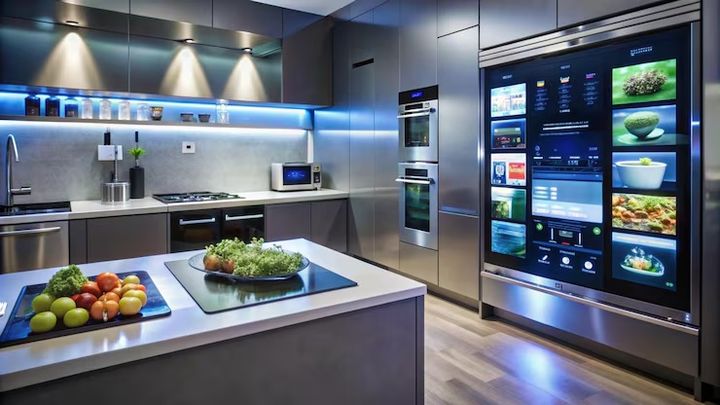
Smart kitchen devices are digital or connected appliances designed to assist with everyday cooking and food preparation tasks. These devices often include sensors, automation features, and internet connectivity that allow them to perform tasks more efficiently than traditional kitchen equipment. Examples include connected refrigerators, intelligent ovens, automated coffee machines, and smart cooking assistants.
The idea behind smart kitchen devices developed alongside broader advances in home automation and the Internet of Things (IoT). IoT refers to a network of physical devices connected to the internet that can collect and exchange data. In kitchens, this technology allows appliances to communicate with mobile applications or other devices, creating a more organized and informed cooking environment.
Modern households increasingly incorporate technology into daily routines, and kitchens are no exception. Smart kitchen devices help users monitor cooking progress, manage food storage, and maintain kitchen organization. These technologies aim to simplify tasks that previously required constant attention or manual adjustments.
Over time, improvements in wireless connectivity, sensors, and software have made smart kitchen devices more common in households. Many devices now provide notifications, automation features, and usage insights that help users understand how their kitchen tools operate.
Importance
Smart kitchen devices play a role in improving efficiency, convenience, and awareness during cooking and food preparation. Many everyday kitchen activities involve monitoring temperatures, managing ingredients, and timing different steps. Smart appliances can assist with these tasks through automated settings and digital alerts.
These technologies also help households manage food more effectively. Connected refrigerators and pantry monitoring systems can track stored items and notify users when supplies are running low. This type of information helps households maintain better organization and reduce unnecessary food waste.
Another important aspect involves energy awareness. Some smart kitchen appliances track electricity consumption and provide insights into how devices are used. This helps households better understand how kitchen appliances contribute to overall energy usage.
Smart kitchen devices can also support accessibility. For individuals who may have difficulty performing certain cooking tasks, automation and voice controls can make kitchen activities easier to manage.
Several everyday challenges addressed by smart kitchen technology include:
- Cooking consistency: Sensors help maintain precise temperatures during cooking.
- Time management: Automated timers and notifications help users track cooking progress.
- Food organization: Inventory tracking helps manage ingredients stored in refrigerators or cabinets.
- Kitchen safety: Alerts can notify users if appliances remain active longer than expected.
These features show how smart kitchen devices assist with everyday tasks without replacing the core cooking process itself.
Recent Updates
Between 2024 and 2026, smart kitchen technology has continued to evolve as manufacturers integrate more advanced connectivity and artificial intelligence features into household appliances. One of the most noticeable trends involves deeper integration with smart home ecosystems.
Many new kitchen appliances now connect with voice assistants and mobile applications that allow users to monitor or adjust appliance settings remotely. For example, ovens can send notifications when cooking cycles finish, while refrigerators may display internal camera views through mobile devices.
Artificial intelligence has also become more common in smart kitchen systems. Some appliances analyze cooking patterns and recommend temperature settings or cooking times based on previous use. These systems rely on built-in sensors and data analysis to improve cooking accuracy.
Another recent development involves improved food management tools. Some smart refrigerators now track food expiration dates and provide reminders about stored items. These features help users organize ingredients and understand how long food has been stored.
The table below shows examples of common smart kitchen device categories and their typical functions.
| Smart Kitchen Device | Main Function | Example Feature |
|---|---|---|
| Smart Refrigerator | Food storage monitoring | Internal camera for inventory viewing |
| Smart Oven | Automated cooking control | Remote temperature adjustment |
| Smart Coffee Machine | Beverage preparation automation | Scheduled brewing |
| Smart Dishwasher | Automated cleaning cycles | Water usage monitoring |
| Smart Kitchen Scale | Ingredient measurement | Digital recipe integration |
These updates illustrate how smart kitchen devices continue to expand their capabilities while maintaining their role as supportive tools within everyday cooking environments.
Laws or Policies
Smart kitchen devices are influenced by several types of regulatory frameworks related to consumer electronics, energy efficiency, and data protection. These rules vary by country but generally aim to ensure that connected appliances operate safely and responsibly.
Energy efficiency regulations are one important area. Governments often require manufacturers to follow appliance efficiency standards that limit electricity consumption and encourage environmentally responsible designs. Labels and energy ratings help consumers understand how appliances use energy.
Data privacy rules also affect smart kitchen devices because many connected appliances collect and process information. These devices may store usage data or connect to mobile applications that analyze cooking patterns. Data protection regulations require companies to clearly explain how information is collected and used.
In some regions, connected appliances must also meet cybersecurity standards. These standards aim to reduce risks related to unauthorized access to household networks or devices.
Examples of policy areas that influence smart kitchen technology include:
- Energy efficiency standards: Guidelines that regulate electricity consumption of appliances.
- Data protection laws: Regulations that define how device data must be handled and stored.
- Electronic safety certifications: Requirements ensuring appliances meet electrical safety guidelines.
- Smart device security guidelines: Recommendations for secure internet-connected devices.
These frameworks help ensure that smart kitchen devices function safely while protecting household data and energy resources.
Tools and Resources
Various digital platforms and informational resources help users understand and manage smart kitchen devices. These tools often support appliance monitoring, recipe organization, and device compatibility within a connected home.
Mobile applications play a central role in many smart kitchens. These apps allow users to monitor appliance activity, adjust cooking settings, and receive notifications about cooking progress. Many appliances are designed to connect directly with smartphone platforms.
Recipe management platforms also integrate with smart kitchen devices. These tools provide step-by-step instructions and may synchronize cooking instructions with connected appliances.
Some commonly used types of tools include:
- Home automation platforms: Systems that connect multiple household devices into a single network.
- Kitchen management apps: Applications that track ingredients, recipes, and cooking steps.
- Energy monitoring dashboards: Platforms that display appliance energy usage patterns.
- Digital cooking guides: Platforms that organize recipes and cooking instructions.
Examples of widely known platforms that support smart kitchen ecosystems include Google Home, Amazon Alexa, and Apple HomeKit. These systems allow compatible appliances to connect with other smart home devices and enable voice-controlled kitchen operations.
Online documentation and user manuals also serve as important resources. Many appliance manufacturers publish guides explaining device features, connectivity instructions, and troubleshooting information.
FAQs
What are smart kitchen devices?
Smart kitchen devices are connected appliances designed to assist with cooking, food storage, and kitchen organization. They often include sensors, automation features, and internet connectivity that allow them to interact with mobile applications or other household devices.
How do smart kitchen devices work?
Most smart kitchen devices rely on sensors, wireless connectivity, and software integration. Sensors monitor factors such as temperature or cooking time, while mobile applications allow users to control or monitor appliances remotely.
Are smart kitchen devices difficult to use?
Many smart kitchen appliances are designed with simple interfaces and guided setup instructions. Mobile applications and voice commands help users interact with appliances without requiring advanced technical knowledge.
Do smart kitchen devices require internet access?
Some features require internet connectivity, particularly those related to remote monitoring, software updates, or integration with smart home systems. However, many appliances can still perform their basic cooking or food storage functions without an internet connection.
Can smart kitchen devices help manage food storage?
Certain smart refrigerators and pantry monitoring tools track stored items and provide notifications about expiration dates or low inventory. These features help households organize ingredients and reduce unnecessary food waste.
Conclusion
Smart kitchen devices represent an evolving category of connected household appliances designed to assist with cooking, organization, and kitchen management. These technologies combine sensors, automation, and connectivity to support everyday kitchen activities.
As smart home ecosystems continue to develop, kitchens are becoming more integrated with digital platforms and mobile applications. Energy efficiency standards, data protection rules, and safety certifications influence how these appliances are designed and used.
Understanding the basic functions, recent developments, and available tools related to smart kitchen devices helps readers better understand how technology is shaping modern kitchens.