Guide to Stainless Steel Supplies: Basics, Explanation, and Informative Tips to Learn More
Stainless steel supplies include a wide range of materials and components made from stainless steel that are used in construction, manufacturing, household equipment, and infrastructure. Stainless steel itself is a metal alloy mainly composed of iron, chromium, and sometimes nickel or other elements. The chromium content helps create a thin protective layer that reduces corrosion and surface damage. Because of this property, stainless steel has become widely used in environments where durability and cleanliness are important.
The development of stainless steel began in the early twentieth century when researchers experimented with alloys that resisted rust. Over time, improvements in metallurgy allowed manufacturers to produce different grades of stainless steel suited for various uses. Today, stainless steel supplies can include sheets, pipes, fittings, bars, and structural components used in buildings, kitchens, medical facilities, and industrial plants.
Understanding stainless steel supplies helps readers recognize how these materials appear in everyday life. Items such as kitchen sinks, food preparation surfaces, water storage systems, and railings often rely on stainless steel components. These materials are valued for their durability, resistance to moisture, and ability to maintain a clean surface.
Another important aspect is the variety of stainless steel grades. Different grades contain different alloy combinations, which influence strength, corrosion resistance, and temperature tolerance. As a result, stainless steel supplies are not a single product type but a broad category of materials designed for multiple environments.
Importance
Stainless steel supplies play an important role in modern infrastructure and daily life. Their corrosion resistance makes them suitable for environments exposed to moisture, chemicals, or changing temperatures. This property helps extend the lifespan of structures and equipment used in homes, factories, and public facilities.
Many industries rely on stainless steel materials because they are durable and maintain their structural integrity over long periods. Examples include transportation systems, food processing environments, and water management infrastructure. These applications require materials that remain stable and resistant to contamination.
Stainless steel is also valued for its hygienic properties. The smooth, non-porous surface makes it easier to clean compared with many other materials. For this reason, stainless steel supplies are commonly used in food preparation areas, laboratories, and healthcare environments where cleanliness is essential.
Environmental considerations also contribute to the importance of stainless steel. Many stainless steel materials are recyclable and can be reprocessed without losing their properties. This supports resource efficiency and reduces the need for raw material extraction.
The versatility of stainless steel also allows it to be used in many forms. Common categories of stainless steel supplies include:
- Sheets and plates, often used in construction panels, kitchen equipment, and industrial surfaces
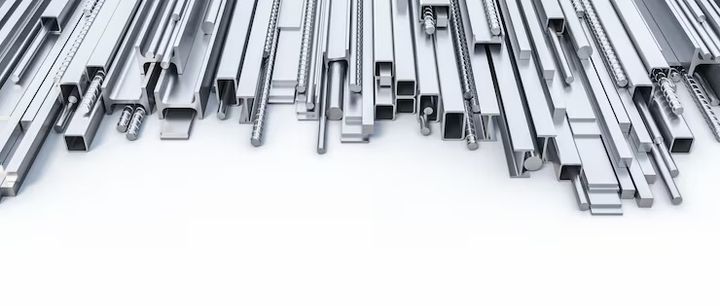
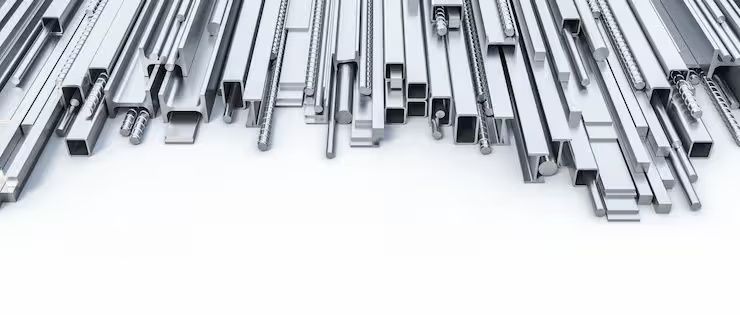
- Pipes and tubes, used in plumbing, fluid transport systems, and structural frameworks
- Bars and rods, applied in manufacturing, machining, and mechanical components
- Fittings and connectors, designed to join pipes or structural parts in infrastructure systems
- Fasteners and hardware, including bolts, nuts, and brackets used in mechanical assemblies
These varied forms allow stainless steel to support both structural and decorative applications in buildings and equipment.
Recent Updates
In recent years, the stainless steel industry has experienced several developments influenced by manufacturing technology, environmental considerations, and global infrastructure projects. Between 2024 and 2026, researchers and manufacturers have focused on improving production efficiency and reducing environmental impact during metal processing.
One notable trend is the increasing use of recycled materials in stainless steel production. Recycling helps reduce the demand for newly mined raw materials while maintaining the quality of the final alloy. Stainless steel can be melted and reused repeatedly without losing many of its essential properties.
Another development involves improvements in precision manufacturing. Technologies such as automated cutting, laser shaping, and advanced forming methods allow stainless steel supplies to be produced with consistent dimensions and surface finishes. These techniques help manufacturers produce components that meet strict engineering requirements.
There has also been a growing emphasis on corrosion-resistant alloys designed for specialized environments. For example, certain stainless steel grades are engineered to perform in marine settings or chemical processing environments where exposure to saltwater or industrial chemicals is common.
Digital supply tracking systems are another emerging trend. Some manufacturers now use data systems to track material composition, production batches, and quality verification. This approach helps improve traceability and quality control within supply chains.
These developments show how stainless steel supplies continue to evolve alongside modern manufacturing and infrastructure needs.
Laws or Policies
The production and use of stainless steel materials are influenced by standards, safety regulations, and environmental policies. These frameworks help ensure that materials used in buildings, equipment, and infrastructure meet specific performance requirements.
In many countries, construction standards require certain materials to meet strength and durability guidelines. Stainless steel components used in structural systems must comply with engineering standards that define mechanical properties and testing methods. These standards help ensure reliability in buildings, bridges, and industrial facilities.
Environmental regulations also affect stainless steel production. Metal processing facilities may need to follow guidelines related to emissions control, waste management, and recycling practices. These policies encourage manufacturers to reduce environmental impact during alloy production and finishing processes.
Food safety regulations also influence how stainless steel supplies are used. In food preparation and processing environments, surfaces that come into contact with food must meet hygiene requirements. Stainless steel is often used because it can be cleaned effectively and does not easily absorb contaminants.
International standards organizations also play a role in defining material specifications. Organizations such as the International Organization for Standardization and ASTM International publish technical standards for stainless steel grades, testing procedures, and industrial applications. These standards help ensure consistent material quality across different regions.
Tools and Resources
Various tools and informational resources help individuals and industries understand stainless steel materials and their applications. These resources provide technical data, calculation tools, and reference information related to stainless steel supplies.
Engineering databases and material reference guides allow users to compare stainless steel grades and their characteristics. These resources often include information about corrosion resistance, strength, and temperature tolerance.
Several digital platforms provide calculators and reference tools used in material planning. Examples include:
- Material weight calculators, which estimate the weight of stainless steel sheets, pipes, or bars based on dimensions and density
- Corrosion resistance charts, which compare how different stainless steel grades perform in various environments
- Pipe dimension tables, which list standard diameters, thickness ranges, and tolerances
- Alloy composition references, which describe the chemical elements present in different stainless steel grades
The table below shows simplified examples of commonly referenced stainless steel grades and their general characteristics.
| Stainless Steel Grade | Typical Composition Feature | Common Applications |
|---|---|---|
| 304 | Chromium and nickel alloy | Kitchen equipment, food preparation surfaces |
| 316 | Added molybdenum for corrosion resistance | Marine environments, chemical processing |
| 430 | Ferritic stainless steel with lower nickel content | Household appliances and decorative panels |
| 410 | Martensitic alloy with higher strength | Mechanical components and tools |
Online knowledge platforms and technical documentation provided by engineering institutions also help readers understand stainless steel supplies and their characteristics.
FAQs
What are stainless steel supplies?
Stainless steel supplies refer to materials and components made from stainless steel that are used in construction, manufacturing, household equipment, and infrastructure. These supplies can include sheets, pipes, fittings, bars, and structural elements designed for various environments.
Why are stainless steel supplies widely used?
Stainless steel supplies are commonly used because the material resists corrosion and maintains structural stability over time. The smooth surface also supports hygiene requirements in environments such as food preparation areas and laboratories.
What are the different types of stainless steel materials?
Common types of stainless steel materials include sheets, pipes, tubes, bars, fittings, and fasteners. Each form supports different applications such as building structures, fluid transport systems, and equipment manufacturing.
How do stainless steel grades differ from each other?
Different stainless steel grades contain varying amounts of chromium, nickel, and other elements. These differences influence properties such as corrosion resistance, strength, and temperature tolerance.
Where are stainless steel supplies commonly used?
Stainless steel supplies appear in many areas of daily life, including kitchens, hospitals, transportation systems, industrial equipment, and building infrastructure. Their durability makes them suitable for environments exposed to moisture or chemicals.
Conclusion
Stainless steel supplies represent a broad category of materials used in construction, manufacturing, and everyday infrastructure. Their corrosion resistance, durability, and hygienic properties make them suitable for many environments. Different stainless steel grades allow materials to perform effectively in various conditions, from household equipment to industrial systems. Understanding these materials helps readers recognize their role in modern technology and infrastructure.