Helpful Suggestions for Thai Spa Relaxation
Traditional Thai spa practices offer a calm approach to physical rest. Rooted in ancient wellness traditions, these sessions focus on restoring balance through slow movements and steady pressure.
Understanding what happens during a session helps visitors feel comfortable and prepared from start to finish.
Unlike standard oil-based therapies, traditional Thai bodywork typically takes place on a padded floor mat while the recipient remains fully clothed. Practitioners use their palms, thumbs, elbows, and feet to apply rhythmic compression along specific energy lines. Gentle, assisted stretching also plays a central role in easing everyday stiffness and encouraging calm breathing.
Preparing for a Thai Spa Session
Thoughtful preparation allows the mind and body to settle into a restful state before the session even begins. Arriving slightly early gives visitors time to adjust to the quiet environment and complete any basic intake forms without rushing.
Clothing and Comfort Choices
Selecting the right attire is essential because traditional sessions involve continuous movement and joint mobilization. Most facilities provide lightweight, loose-fitting cotton garments, though bringing comfortable clothing is also helpful.
Loose Cotton Trousers: Wide-leg pants allow the practitioner to bend and stretch the legs without fabric restriction.
Breathable Tops: Soft, short-sleeved shirts keep the body cool and comfortable during sustained pressure work.
Minimal Accessories: Removing watches, rings, and necklaces prevents snagging or discomfort during upper-body stretches.
Hydration and Meal Timing
What a person eats and drinks beforehand directly influences physical comfort while lying down or being stretched. A heavy meal right before an appointment can cause sluggishness or stomach discomfort during abdominal and back movements.
Eating a light snack one to two hours prior keeps energy levels steady. Drinking a glass of water before arriving also supports basic hydration, which helps muscles respond more easily to gentle manipulation.
Core Elements of Thai Spa Relaxation
A typical session follows a structured sequence designed to gradually release tension from the feet upward to the head. Recognizing these stages helps first-time guests relax rather than anticipate what comes next.
| Session Element | Primary Technique | Common Focus Areas | Typical Duration |
| Acupressure | Rhythmic thumb and palm compression | Feet, calves, back, and shoulders | 25–30 minutes |
| Assisted Stretching | Slow, guided joint mobilization | Hips, hamstrings, spine, and arms | 20–25 minutes |
| Herbal Compress | Warm steamed cloth pouches | Neck, lower back, and stiff joints | 10–15 minutes |
| Breath Synchronization | Guided inhale and exhale pacing | Whole body relaxation | Continuous |
Rhythmic Compression Techniques
Practitioners apply steady, leaning body weight rather than sharp muscular force. This slow rhythm signals the nervous system to unwind and encourages tight areas to soften naturally. Breathing deeply during each press helps maintain comfort and prevents the body from tensing against the pressure.
Assisted Yoga-Style Stretches
During the stretching phase, the practitioner guides the limbs into positions similar to gentle yoga postures. The recipient remains passive, allowing the practitioner to support the weight of the body. Staying relaxed and avoiding the urge to help lift the limbs allows the joints to open safely.
Warm Herbal Compresses
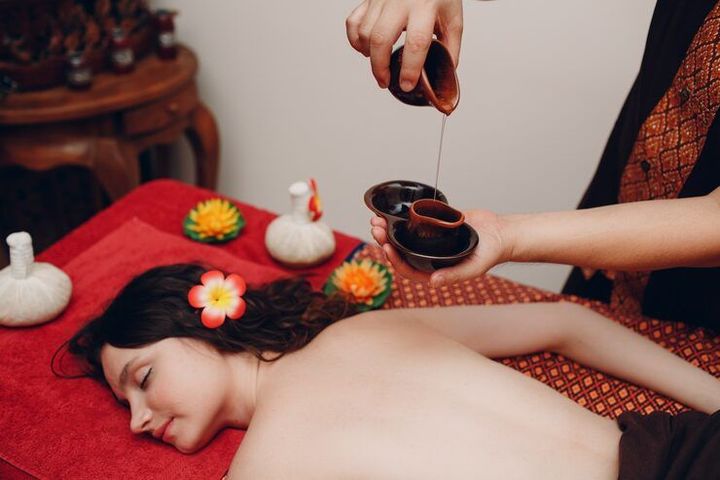
Many Thai spa routines incorporate steamed muslin pouches filled with aromatic botanicals such as lemongrass, ginger, and turmeric. Pressed gently against the skin, the moist heat warms surface tissues and provides a soothing, earthy aroma. Guests who are sensitive to heat or strong scents can always request that the pouches be cooled slightly or skipped altogether.
Helpful Suggestions During the Experience
Clear communication and mindful awareness turn a standard appointment into a genuinely restorative break. Spa practitioners rely on guest feedback to adjust their approach in real time.
Communicating Pressure Preferences
Everyone experiences pressure differently, and what feels mild to one person may feel intense to another. Speaking up early ensures the session stays within a comfortable range.
Establish a Baseline: Mention preferred pressure levels during the initial greeting before lying down.
Use Simple Cues: Phrases like "a little lighter" or "that spot is sensitive" give immediate, clear direction.
Report Sharp Sensations: Stretching should feel like a mild pull, never a sharp pinch or sudden pain.
Practicing Mindful Breathing
Focusing on slow, even breaths anchors attention in the present moment and quiets racing thoughts. Exhaling slowly as the practitioner applies pressure or deepens a stretch naturally encourages muscles to let go. If the mind wanders to daily tasks, gently returning attention to the rhythm of breathing restores calm.
Post-Session Habits for Lasting Calm
The benefits of a quiet spa visit extend further when the transition back into daily routines is handled gently. Rushing straight into hectic tasks or strenuous exercise can quickly undo a peaceful mindset.
Gradual Rehydration and Rest
Taking a few extra minutes to sit quietly and sip warm herbal tea or plain water helps the body readjust after lying flat. Standing up slowly prevents lightheadedness, especially after deep relaxation. Planning a quiet evening with light activities allows the sense of physical ease to linger longer.
Gentle Home Maintenance
Simple daily habits can recreate elements of the spa atmosphere at home between visits. Taking ten minutes in the evening for slow floor stretches, using a warm towel on tired shoulders, or sitting quietly without digital screens supports ongoing relaxation. Keeping these practices simple makes them easy to maintain consistently.
Common Questions About Thai Spa Relaxation
How often should someone visit a Thai spa for general relaxation?
Frequency depends entirely on personal schedules, comfort preferences, and budget. Some people enjoy a session once a month as part of a regular self-care routine, while others visit occasionally after busy work periods or long travel. Listening to personal energy levels is the best guide.
Is traditional Thai bodywork suitable for beginners with limited flexibility?
Yes, sessions are adapted to each individual's current range of motion. Practitioners gradually test joint mobility and never force a stretch beyond a comfortable point. Beginners do not need prior yoga experience or high flexibility to enjoy a calm, supportive session.
What should guests do if they have existing injuries or health conditions?
Anyone with recent injuries, joint issues, pregnancy, or specific medical concerns should consult a qualified healthcare provider beforehand. Sharing relevant physical limitations with the spa practitioner before the session begins also ensures certain areas are avoided or handled with extra care.
Final Thoughts on Thai Spa Relaxation
Approaching a Thai spa visit with simple preparation and open communication makes the entire experience smooth and enjoyable. Wearing comfortable clothing, staying hydrated, and pacing the breath help the body settle naturally into each movement. By keeping expectations realistic and focusing on personal comfort, anyone can make the most of this time-honored relaxation practice.