Spa Saunas Introduction: Explore the Basics of Sauna Wellness and Relaxation Practices
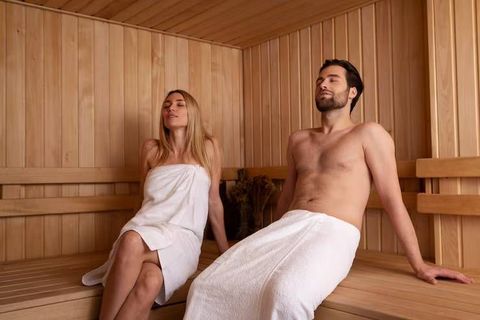
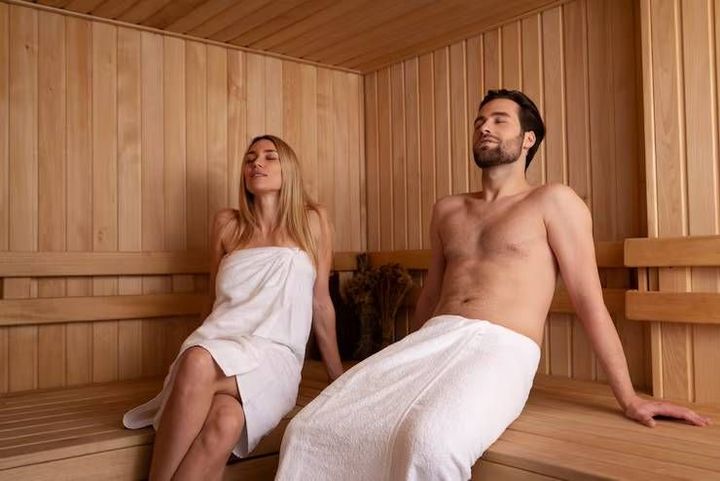
Sauna wellness is a traditional relaxation practice that uses controlled heat to create a warm environment for the body. Spa saunas are commonly found in wellness centers, fitness facilities, hotels, and private homes.
Understanding sauna basics, different sauna types, temperature settings, and safe practices can help people make informed decisions about incorporating heat relaxation into their routines.
Sauna experiences vary depending on the heating method, humidity level, room design, and individual preferences. Some people use saunas as part of their relaxation routine, while others enjoy the quiet environment after physical activity. This introduction explores sauna wellness, its background, potential benefits, recent developments, relevant policies, practical resources, and frequently asked questions.
Context
A sauna is an enclosed room designed to create a heated environment for relaxation. Traditional sauna practices have a long history, particularly in Finland, where sauna bathing has been an important part of everyday culture for generations. Today, sauna facilities are available in different countries and are used in residential, recreational, and wellness settings.
The purpose of a spa sauna is generally to provide a controlled environment where people can experience warmth, quiet surroundings, and relaxation. However, sauna designs differ considerably, and understanding these differences is important.
Understanding Different Sauna Types
Several sauna types are commonly available, each using a different heating method.
Sauna type | Heating method | Main characteristics |
|---|---|---|
Traditional Finnish sauna | Heated stones and an electric or wood-burning heater | High temperatures with relatively low humidity |
Infrared sauna | Infrared heating elements | Uses infrared energy to warm the body and surrounding surfaces |
Steam sauna | Steam generator | High humidity and generally lower temperatures |
Wood-burning sauna | Wood-fired heater and stones | Traditional heating experience with natural combustion |
Hybrid sauna | Combination of heating technologies | May include traditional and infrared heating options |
Traditional saunas generally operate at higher temperatures than steam rooms. Steam rooms maintain high humidity, while conventional Finnish saunas usually have lower humidity levels.
In some traditional saunas, water is carefully poured onto heated stones to create a temporary increase in humidity. This practice is sometimes called löyly in Finnish sauna culture.
Sauna temperature, humidity, room construction, ventilation, and heating equipment all influence the experience. Therefore, the same temperature reading can feel different in different sauna environments.
Importance
Sauna wellness matters because relaxation, personal comfort, and responsible heat exposure are important considerations in everyday health routines.
Many people use saunas to create a peaceful environment away from daily distractions. The warmth may help some individuals feel relaxed, while the quiet setting can support a regular relaxation routine.
Potential Wellness Benefits
Research has examined sauna bathing in relation to cardiovascular health, relaxation, and general well-being. However, the strength of evidence varies, and sauna use should not be considered a replacement for medical treatment.
Potential experiences include:
Temporary relaxation and a feeling of calm.
Increased sweating during heat exposure.
Temporary changes in circulation and heart rate.
A relaxing routine following physical activity.
A comfortable environment for quiet reflection.
Sweating is a normal response to heat. It helps the body regulate temperature, but it also increases fluid loss.
Sauna use may be unsuitable for certain people, particularly those with medical conditions affecting blood pressure, circulation, heart function, or temperature regulation.
People who are pregnant, taking medications that affect blood pressure or sweating, or managing a chronic medical condition should consult a qualified healthcare professional before using a sauna.
Who Uses Spa Saunas?
Sauna facilities are used by different groups of people, including:
Adults interested in relaxation and wellness routines.
Fitness participants seeking a quiet recovery environment.
Travelers visiting wellness facilities.
Individuals interested in traditional sauna culture.
Homeowners exploring residential sauna designs.
The experience should be adjusted according to individual comfort, health considerations, and facility guidelines.
Recent Updates
Sauna wellness has continued to develop through changes in technology, design, energy management, and personal wellness preferences.
Modern sauna facilities increasingly incorporate digital controls, improved insulation, and different heating technologies. These developments allow users to manage temperature settings and operating schedules more conveniently.
Several developments are worth understanding.
Development | Description | Practical consideration |
|---|---|---|
Infrared technology | Uses infrared heating elements | Heating experience differs from traditional saunas |
Smart temperature controls | Digital systems regulate heat settings | Follow manufacturer instructions |
Energy-efficient design | Improved insulation and heating management | Performance depends on installation and usage |
Compact residential saunas | Smaller designs for limited spaces | Requires suitable ventilation and electrical planning |
Wellness integration | Saunas included in broader relaxation routines | Avoid excessive heat exposure |
Infrared saunas have attracted attention because they use a different heating approach from conventional sauna rooms. Their temperature settings are often lower, although the perceived warmth depends on the equipment and surrounding conditions.
Another development is the growing interest in compact sauna spaces. Smaller installations may fit residential environments, but appropriate construction, ventilation, electrical safety, and moisture management remain important.
Digital controls can make temperature management easier, but electronic settings do not automatically make sauna use safer. Users should still follow recommended operating limits and understand the equipment's safety features.
Scientific interest in sauna bathing has also continued. Some observational studies have examined associations between regular sauna use and cardiovascular outcomes. These findings are interesting, but observational research cannot establish that sauna bathing directly prevents disease.
Laws or Policies
Sauna regulations depend on the country, state, municipality, building type, and whether the facility is residential or public.
There is no single worldwide sauna regulation that applies to every installation. Public facilities may face additional requirements concerning building safety, electrical systems, ventilation, sanitation, accessibility, and emergency procedures.
Building and Electrical Safety
Sauna installation should follow applicable building codes and electrical regulations.
Important considerations include:
Appropriate electrical wiring and circuit protection.
Heater installation according to manufacturer specifications.
Suitable insulation and heat-resistant construction materials.
Safe clearances between heaters and combustible materials.
Ventilation designed for the specific sauna system.
Emergency access and safe operating procedures.
Electrical sauna heaters should be installed and inspected by appropriately qualified professionals when required by local regulations.
Wood-burning sauna installations may also require compliance with fire safety rules, chimney requirements, and local restrictions on combustion equipment.
Public Sauna Requirements
Public sauna facilities may need to follow local health, sanitation, and building requirements.
Depending on the jurisdiction, these may include:
Regulatory area | Typical consideration |
|---|---|
Building regulations | Room construction, occupancy, and structural safety |
Electrical regulations | Wiring, grounding, and circuit protection |
Fire safety | Heater clearances, emergency exits, and fire prevention |
Hygiene | Cleaning procedures and suitable facility maintenance |
Accessibility | Applicable access and accommodation requirements |
Occupational safety | Protection of employees and facility operators |
In the United States, building and electrical requirements vary by state and local authority. The National Electrical Code, where adopted, provides requirements relevant to electrical installations.
In India, applicable building regulations, electrical safety requirements, and local municipal rules should be reviewed before installation. Requirements may differ between residential properties and public wellness facilities.
Sauna users should also follow posted facility instructions. These rules commonly address maximum operating temperatures, occupancy, appropriate clothing, hygiene, and restrictions on unsafe behavior.
Tools and Resources
Reliable resources can help people understand sauna equipment, heat exposure, installation requirements, and general wellness practices.
Useful resources include:
Resource | Purpose |
|---|---|
World Health Organization | General public health information |
Centers for Disease Control and Prevention | Heat-related illness and hydration guidance |
National Electrical Code resources | Electrical installation safety information in applicable US jurisdictions |
Local building departments | Building permits and installation requirements |
Sauna manufacturer manuals | Equipment operation, maintenance, and safety instructions |
Healthcare professionals | Individual guidance for medical conditions and heat exposure |
The World Health Organization provides general health information, while the CDC publishes guidance on heat-related health risks. These resources can help explain why heat exposure requires attention to hydration, body temperature, and individual health conditions.
Manufacturer documentation is particularly important when selecting or operating sauna equipment.
Before using a sauna, consider the following practical checklist:
Read the facility's operating instructions.
Check the temperature and ventilation conditions.
Drink water before and after heat exposure.
Avoid sauna use when feeling unwell.
Leave immediately if dizziness, nausea, weakness, or unusual discomfort develops.
Allow sufficient time for the body to cool down.
Avoid combining sauna use with alcohol.
People should not assume that longer sessions provide greater wellness benefits. Heat tolerance varies, and a comfortable, conservative approach is more appropriate than attempting to reach a specific duration.
FAQs
1. What is a spa sauna?
A spa sauna is a heated room designed for relaxation and wellness. It may use traditional heaters, infrared technology, or other heating systems to create a controlled warm environment.
2. What is the difference between a sauna and a steam room?
A traditional sauna generally uses higher temperatures and relatively low humidity. A steam room uses a steam generator to create high humidity and usually operates at lower temperatures.
3. How long should a beginner stay in a sauna?
Beginners should start with a short session and leave whenever they feel uncomfortable. There is no universal duration that is appropriate for everyone. Follow facility instructions and individual health guidance.
4. Can sauna bathing improve health?
Some research has examined possible relationships between sauna bathing and cardiovascular health. However, evidence does not establish that sauna use prevents or treats medical conditions. It should not replace medical care.
5. Is sauna use safe for everyone?
No. People with certain heart conditions, blood pressure concerns, pregnancy-related considerations, or medications affecting heat tolerance may need medical advice before sauna use.
Conclusion
Spa saunas provide a traditional and modern approach to relaxation through controlled heat exposure. Understanding sauna types, temperature conditions, potential wellness benefits, and safety requirements helps people approach this practice responsibly.
Sauna wellness should remain a personal relaxation activity rather than a substitute for medical treatment. Individual health, hydration, equipment instructions, and local safety regulations should guide every sauna experience.
As sauna technology continues to develop, informed use remains important. A comfortable environment, suitable temperature, proper ventilation, and attention to personal limits can help create a more responsible relaxation routine.