HIV/AIDS Guide: Basics, Awareness & Prevention Strategies
HIV/AIDS remains an important global health topic. Understanding how HIV spreads, how prevention works, and what modern awareness strategies exist helps people make informed decisions and reduce health risks.
Human Immunodeficiency Virus (HIV) is a virus that attacks the immune system, especially CD4 cells, which help the body fight infections. If HIV is not managed properly, it can weaken the immune system over time and progress to Acquired Immunodeficiency Syndrome (AIDS), the most advanced stage of HIV infection.
HIV became widely recognized in the early 1980s when global health experts noticed unusual immune-related illnesses in many patients. Since then, research in infectious disease management, viral testing, and preventive healthcare has greatly improved understanding of HIV.
HIV exists because viruses naturally evolve and spread through specific pathways involving body fluids such as blood, semen, vaginal fluids, rectal fluids, and breast milk. It does not spread through casual contact such as hugging, sharing food, or handshakes.
Common transmission routes include:
- Unprotected sexual contact
- Sharing needles or syringes
- Mother-to-child transmission during pregnancy or breastfeeding
- Exposure to infected blood
Understanding these basics supports better health awareness and disease prevention strategies.
Why HIV Awareness Matters Today
HIV remains a major public health concern worldwide. Millions of people continue to live with HIV, making awareness, education, and preventive health screening essential.
HIV affects people of all age groups, genders, and backgrounds. Risk levels may vary based on behavior, healthcare access, and awareness.
The importance of HIV education includes:
- Encouraging early diagnosis
- Reducing stigma and discrimination
- Improving public health outcomes
- Supporting safer health practices
- Increasing access to preventive care
Many people avoid testing due to fear or misinformation. This creates delays in diagnosis and increases transmission risk. Public awareness campaigns help solve this issue by promoting accurate health information.
Global HIV Snapshot
| Metric | Estimated Figure |
|---|---|
| People Living With HIV Worldwide | 39+ Million |
| New Annual HIV Cases | 1+ Million |
| Annual HIV-Related Deaths | 600,000+ |
| Countries with Active Prevention Programs | 100+ |
The chart below shows a simplified trend of HIV awareness progress.
| Year | Awareness Level |
|---|---|
| 2000 | Moderate |
| 2010 | High |
| 2020 | Very High |
| 2025 | Strong Global Awareness |
Improved public health education has contributed to stronger awareness over time.
Recent Updates in HIV Prevention and Research
The past year has brought several important developments in HIV prevention and treatment research.
Long-Acting Prevention Approaches
In 2025 and early 2026, researchers continued expanding long-acting preventive treatments. These approaches reduce the need for frequent dosing and improve adherence in preventive care.
Long-acting prevention methods are becoming a major focus in infectious disease management.
Improved Diagnostic Technologies
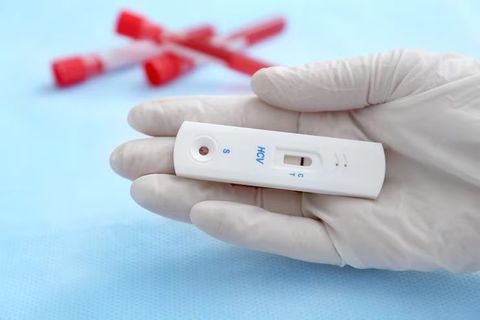
Rapid diagnostic tools and laboratory testing systems have become more advanced. Modern diagnostic technology helps detect infections earlier, improving health outcomes.
Benefits include:
- Faster testing
- Better accuracy
- Early viral detection
- Improved patient monitoring
AI in Healthcare Monitoring
Artificial intelligence is increasingly used in epidemiology and public health analytics. AI-driven healthcare data analysis helps identify outbreak patterns and supports prevention planning.
High-value healthcare technology terms such as medical diagnostics, healthcare analytics, clinical laboratory systems, and preventive health technology continue to gain importance.
Laws and Policies Related to HIV/AIDS
Government policies play a major role in HIV prevention and public health protection.
Many countries implement frameworks focused on:
- Public awareness campaigns
- Confidential testing protocols
- Anti-discrimination protections
- Maternal health monitoring
- Public healthcare access
In India, the HIV and AIDS (Prevention and Control) Act, 2017 protects the rights of individuals living with HIV. It discourages discrimination in education, employment, housing, and healthcare settings.
Important policy goals include:
- Protecting privacy
- Reducing stigma
- Improving treatment access
- Encouraging voluntary testing
National health programs also run awareness initiatives focused on high-risk populations and preventive education.
Globally, public health agencies continue supporting targets designed to reduce new infections and improve viral suppression rates.
Tools and Resources for HIV Awareness
Modern awareness programs use many tools to improve education and prevention.
Educational Resources
Digital learning materials help explain:
- HIV transmission
- Safe health practices
- Prevention strategies
- Medical terminology
Interactive educational content improves public understanding.
Risk Assessment Tools
Online risk assessment calculators help people understand exposure risk based on behavior and medical factors.
Such tools often evaluate:
- Exposure type
- Frequency of risk factors
- Preventive measures used
These tools support informed healthcare discussions.
Mobile Health Applications
Mobile apps can help with:
- Medication reminders
- Health tracking
- Symptom logging
- Appointment management
Digital health platforms continue improving patient engagement.
Community Awareness Templates
Awareness campaigns often use ready-made materials such as:
- Posters
- Infographics
- Educational slides
- Workshop templates
These resources help schools, organizations, and communities spread reliable information.
Common Questions About HIV/AIDS
Can HIV spread through touching or hugging?
No. HIV does not spread through touching, hugging, handshakes, or casual contact.
Is HIV the same as AIDS?
No. HIV is the virus. AIDS is the advanced stage of HIV infection when the immune system becomes severely weakened.
Can HIV be prevented?
Yes. Prevention strategies include safer sexual practices, avoiding needle sharing, regular health screening, and awareness education.
Why is early testing important?
Early diagnosis helps people understand their health status and reduces the risk of complications or transmission.
Who should learn about HIV prevention?
Everyone benefits from HIV awareness because education reduces misinformation and supports healthier decisions.
Conclusion
HIV/AIDS remains an important public health topic, but awareness and education continue improving global outcomes. Understanding how HIV spreads, how prevention works, and what tools are available empowers individuals and communities.
Recent advances in healthcare technology, diagnostics, and prevention strategies have strengthened efforts against HIV. Government policies and awareness programs also play a critical role in reducing stigma and supporting informed healthcare decisions.