Hoppers and Silos Explanation: How Storage Systems Function
Hoppers and silos are storage systems used to hold and manage bulk materials in industrial, agricultural, and manufacturing environments. These systems exist to store materials such as grains, powders, pellets, aggregates, cement, chemicals, and other dry or semi-dry substances in a controlled and organized manner.
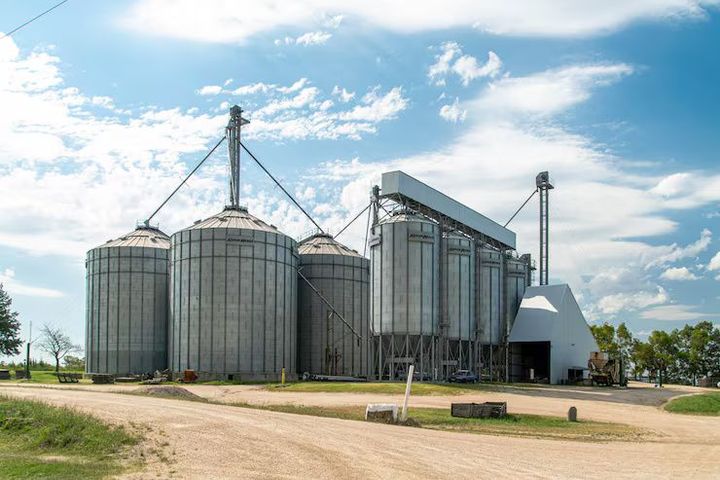
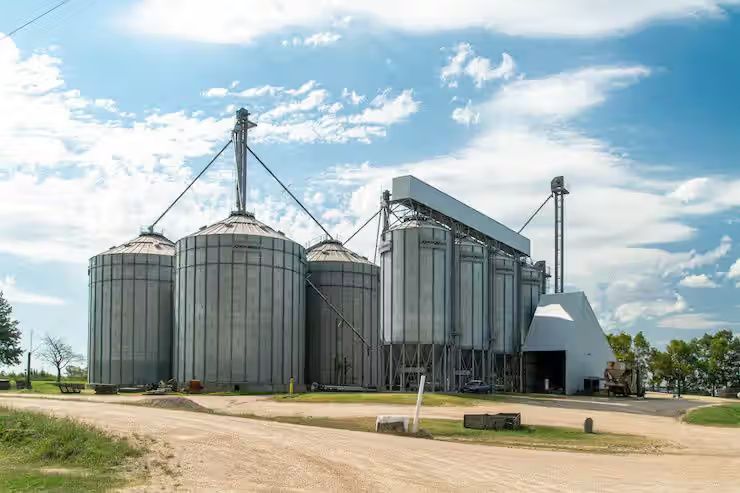
A hopper is a funnel-shaped container designed for short-term storage and controlled discharge of materials, typically using gravity or mechanical assistance. A silo, in contrast, is a larger vertical structure used for long-term storage of bulk materials. Both systems play an important role in connecting storage with processing, transport, and packaging stages.
Historically, bulk materials were stored in open spaces or simple containers, leading to contamination and inconsistent flow. Modern hoppers and silos were developed to improve efficiency, safety, and material handling reliability in industrial systems.
Why Hoppers and Silos Matter Today
Hoppers and silos are essential because bulk material storage is fundamental to industries such as agriculture, construction, manufacturing, and logistics. They ensure materials are stored safely and delivered efficiently.
Key Reasons This Topic Matters
- Material protection: Prevents contamination and environmental damage
- Flow control: Enables consistent and predictable material discharge
- Space efficiency: Uses vertical storage to reduce land requirements
- Process continuity: Supports uninterrupted production and operations
These systems are important for engineers, plant operators, and supply chain managers working with bulk materials.
Recent Developments and Trends (2024–2025)
Hopper and silo systems have advanced with improvements in monitoring, automation, and safety. These developments focus on efficiency and risk reduction.
Key Trends Overview
| Trend | Description | Impact |
|---|---|---|
| Digital monitoring systems | Use of sensors for level detection | Improves inventory tracking |
| Automated discharge systems | Controlled material flow using mechanical aids | Enhances efficiency |
| Advanced structural design | Improved resistance to wind and seismic conditions | Increases safety |
| Dust control technologies | Systems to reduce airborne particles | Supports environmental compliance |
| Integration with control systems | Centralized monitoring and automation | Improves operational visibility |
These trends highlight the integration of smart technologies into bulk storage systems.
Laws and Policies Affecting Hoppers and Silos
Hoppers and silos are governed by industrial safety standards, environmental regulations, and construction codes. These frameworks ensure safe and efficient operation.
Key Regulatory Areas
- Structural standards: Ensure load-bearing stability
- Dust and air quality regulations: Control emissions
- Workplace safety guidelines: Address confined space risks
- Inspection requirements: Maintain system reliability
In India, these systems must comply with factory safety laws and environmental protection guidelines.
Tools and Resources for Understanding Hoppers and Silos
Various tools and references help individuals understand bulk storage systems and their operation.
Useful Tools and References
- Flow calculators: Estimate discharge rates
- Capacity calculators: Plan storage volume
- Material property charts: Understand flow behavior
- Safety manuals: Guide safe operation
- Engineering handbooks: Explain bulk material handling
Common Types of Hoppers
| Hopper Type | Key Feature | Typical Use |
|---|---|---|
| Conical hopper | Funnel-shaped | Powder discharge |
| Pyramid hopper | Angular walls | Granular materials |
| Vibratory hopper | Assisted material flow | Difficult materials |
| Surge hopper | Temporary storage | Process buffering |
Common Types of Silos
| Silo Type | Material Stored | Industry Use |
|---|---|---|
| Grain silo | Agricultural crops | Farming and storage |
| Cement silo | Cement powder | Construction |
| Chemical silo | Industrial materials | Manufacturing |
| Fly ash silo | Industrial by-products | Power and construction |
These tools and classifications help explain how storage systems are designed and used effectively.
Frequently Asked Questions
What Is the Difference Between a Hopper and a Silo?
A hopper is used for short-term storage and controlled discharge, while a silo is designed for long-term, high-volume storage.
How Do These Systems Control Material Flow?
They use gravity, feeders, and mechanical systems to regulate discharge.
What Materials Are Stored in Silos?
Common materials include grains, cement, chemicals, and industrial by-products.
Why Is Flow Consistency Important?
Consistent flow prevents blockages and ensures smooth production processes.
Are Safety Measures Important?
Yes, safety measures help prevent risks related to dust, structural stress, and confined spaces.
Conclusion
Hoppers and silos are essential components of modern material handling systems. They enable efficient storage, controlled discharge, and safe handling of bulk materials across industries.
As industrial processes grow more complex, these systems continue to evolve with improved monitoring, automation, and safety features. Understanding their role provides valuable insight into how industries manage materials efficiently and reliably.