How Tablet Press Machines Work: Process, Tips & Key Insights
Tablet press machines play an important role in modern manufacturing. They are widely used in pharmaceutical production, nutraceutical industries, chemical processing, and food manufacturing. These machines transform powdered materials into uniform tablets by applying controlled pressure.
As industries continue to focus on automation and precision engineering, tablet press machines have become more advanced, helping manufacturers maintain product consistency and production efficiency.
What Is a Tablet Press Machine?
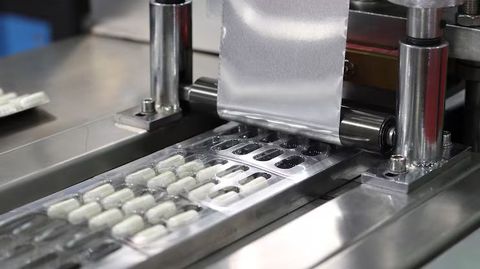
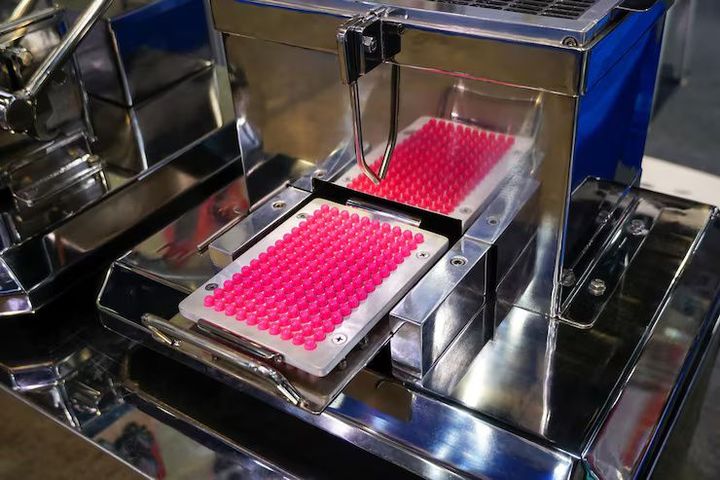
A tablet press machine is a mechanical system designed to compress powder or granules into tablets of a specific size, shape, and weight. The process may seem simple, but it involves careful control of pressure, speed, and material flow.
Modern industrial equipment often includes automated monitoring systems that improve production quality while reducing waste. Advanced tablet manufacturing technology also supports data tracking, predictive maintenance, and process optimization.
Main Components of a Tablet Press Machine
Understanding the main parts helps explain how the machine works.
Hopper
The hopper stores the raw powder or granules before they move into the compression area. A steady material supply is important for producing tablets with consistent weight.
Feeding System
The feeding mechanism distributes the material evenly into the die cavity. Proper feeding reduces defects and improves manufacturing precision.
Die and Punches
The die determines the tablet's shape and size, while the upper and lower punches compress the material. These components experience significant pressure during operation and are often made from highly durable materials.
Turret
In rotary tablet press machines, the turret holds multiple punch and die sets. As it rotates, it allows continuous tablet production, making it suitable for high-volume manufacturing environments.
Ejection System
After compression, the finished tablet is pushed out of the die and moved for collection or further processing.
How the Tablet Compression Process Works
The operation follows several important steps.
Material Filling
Powder enters the die cavity through the feeding system. Accurate filling is necessary to achieve consistent tablet weight.
Compression Stage
The upper and lower punches apply controlled force to compress the material. The amount of pressure affects tablet hardness, durability, and dissolution characteristics.
Tablet Ejection
Once compression is complete, the lower punch moves upward, pushing the finished tablet out of the die.
Collection and Inspection
Finished tablets are collected and often inspected using automated quality control systems that monitor dimensions, weight, and structural integrity.
Different Types of Tablet Press Machines
Single punch tablet press machines are commonly used for research, laboratory applications, and small production batches.
Rotary tablet press machines are designed for continuous manufacturing and large-scale production. These systems can produce thousands of tablets every hour, making them popular in pharmaceutical and industrial facilities.
High-speed tablet presses use advanced automation and digital controls to improve manufacturing accuracy and reduce downtime.
Practical Tips for Better Machine Performance
Proper machine operation helps improve productivity and extends equipment life.
Maintain Regular Cleaning
Powder residue can affect tablet quality and machine efficiency. Routine cleaning prevents contamination and reduces maintenance issues.
Monitor Compression Force
Too much pressure can damage tablets, while insufficient pressure may create weak products. Balanced compression settings are essential.
Inspect Punches and Dies
Worn tooling can produce defective tablets. Regular inspection helps maintain production quality and minimizes unexpected interruptions.
Use High-Quality Raw Materials
Uniform granules and properly prepared powders improve the overall tablet compression process.
Follow Preventive Maintenance
Industrial automation experts recommend scheduled maintenance to reduce equipment failure and improve operational reliability.
Industry Trends and Key Insights
The global demand for pharmaceutical manufacturing equipment continues to grow due to increasing healthcare needs and expanding nutraceutical markets.
Smart manufacturing is also changing the industry. Many modern tablet press machines now include digital sensors, real-time monitoring, and artificial intelligence-based performance analysis. These technologies support predictive maintenance and improve overall equipment effectiveness.
Another growing trend is energy-efficient machinery. Manufacturers increasingly focus on reducing energy consumption while maintaining high production output.
Data analytics is becoming an important part of industrial machinery management. Production data helps operators identify performance issues early and optimize manufacturing processes.
Common Challenges in Tablet Manufacturing
Even advanced systems may experience operational issues.
Inconsistent powder flow can lead to uneven tablet weight. Excessive compression may cause cracking or capping, while insufficient pressure can reduce tablet strength.
Environmental factors such as humidity and temperature may also influence material behavior during production.
Careful machine calibration and routine quality checks help minimize these challenges.
Why Tablet Press Machines Matter
Tablet press machines have become essential in many industries because they combine precision, efficiency, and automation. Their ability to produce consistent products supports quality standards across pharmaceutical, chemical, food, and nutraceutical sectors.
As manufacturing technology continues to evolve, modern tablet press systems are expected to become even smarter, with greater use of digital monitoring and intelligent process control.