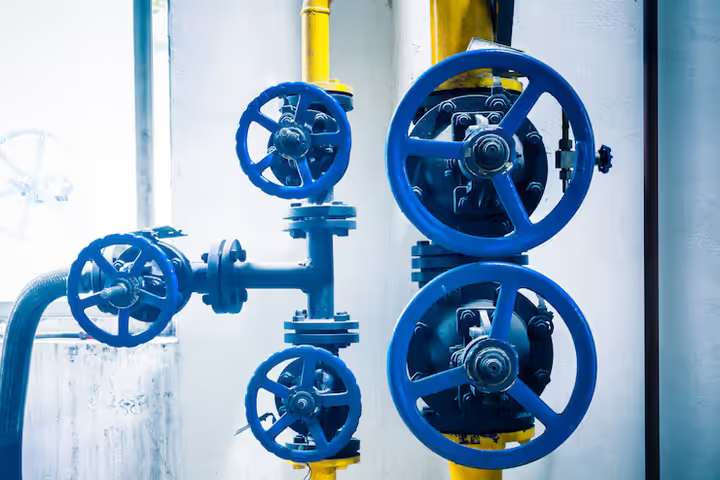
How to Choose the Right Industrial Valve? Materials, Pressure & Performance
Choosing an industrial valve requires careful evaluation.
Industrial valves control the movement of liquids, gases, steam, and other process materials through pipelines and equipment. They help regulate flow, isolate sections, prevent backflow, and manage pressure. Selecting the correct valve involves understanding operating conditions, material compatibility, pressure requirements, and expected performance.
Keypoints
Valve selection begins with fluid type, operating conditions, and intended service application.
Material compatibility helps limit corrosion, erosion, leakage, and premature equipment failure risks.
Pressure-temperature ratings, flow capacity, and valve characteristics influence system performance and reliability.
Maintenance access, actuation, standards, and lifecycle costs matter during final selection decisions.
Understanding Industrial Valves
An industrial valve is a mechanical device installed in a piping system to control fluid movement. Depending on its design, it can start or stop flow, adjust flow rates, redirect fluids, or protect equipment from excessive pressure.
Valves are used in manufacturing plants, oil and gas facilities, water treatment systems, chemical processing, power generation, and many other industries. Their construction varies according to the type of fluid, operating temperature, pressure, and process requirements.
Why Choosing the Right Valve Matters
The right valve helps maintain process stability and equipment reliability. An unsuitable valve may cause leakage, excessive pressure loss, corrosion, operational interruptions, or premature component failure.
Different applications require different valve functions. A valve designed for simple isolation may not perform well when continuous flow regulation is necessary. Similarly, materials suitable for ordinary water systems may not withstand corrosive chemicals or high-temperature steam.
Correct selection can help organisations manage maintenance requirements, operating costs, and workplace safety.
Common Types of Industrial Valves
Ball Valves
Ball valves use a rotating spherical ball with a hole through its centre to control fluid movement. A quarter-turn operation typically opens or closes the valve. They provide relatively quick operation and tight shutoff when correctly specified.
They are commonly used in water systems, gas pipelines, chemical processing, and industrial utilities.
Gate Valves
Gate valves use a movable gate or wedge to start or stop fluid flow. When fully open, they generally create relatively little flow resistance. They are mainly designed for isolation rather than continuous throttling.
These valves are frequently found in pipelines, water distribution networks, and industrial processing facilities.
Globe Valves
Globe valves regulate flow using a movable disc or plug that changes the opening inside the valve body. They provide controlled throttling but usually create greater pressure loss than some isolation valve designs.
They are used in steam systems, process control applications, and industrial flow regulation.
Butterfly Valves
Butterfly valves use a rotating disc positioned inside the pipeline. Their compact construction and quarter-turn operation make them suitable for larger pipe sizes and applications where installation space matters.
Common applications include water treatment, HVAC systems, chemical facilities, and industrial cooling networks.
Check Valves
Check valves allow fluid to travel in one direction while helping prevent reverse flow. They operate automatically through pressure differences and fluid movement rather than requiring regular manual operation.
They are commonly installed in pump systems, pipelines, and water distribution equipment.
Important Factors When Selecting an Industrial Valve
Fluid Type and Operating Conditions
Start by identifying the material flowing through the system. Water, oil, steam, gas, chemicals, and abrasive mixtures have different physical and chemical properties.
Consider whether the fluid is corrosive, viscous, contaminated, or likely to contain suspended particles. These characteristics influence valve design, internal components, sealing materials, and maintenance requirements.
Pressure and Temperature Ratings
Every valve has specified pressure and temperature operating limits. These ratings determine whether the valve can safely handle the conditions inside a particular pipeline.
Pressure capability may decrease as operating temperature increases, depending on the materials and construction. Consider normal operating conditions, maximum design pressure, temperature fluctuations, and possible pressure surges.
Always compare manufacturer specifications with applicable engineering standards, such as ASME B16.34, where relevant.
Material Compatibility
Valve materials should withstand the fluid, temperature, pressure, and surrounding environment.
| Material | Common characteristics and considerations |
|---|---|
| Carbon Steel | Used in many industrial applications requiring mechanical strength |
| Stainless Steel | Offers corrosion resistance for suitable process environments |
| Cast Iron | Common in selected water and utility systems |
| Brass and Bronze | Used in certain water, fuel, and utility applications |
| PVC and Other Plastics | Suitable for selected chemical and low-temperature services |
Material selection should consider the valve body, disc, stem, seats, seals, and gaskets. Compatibility with the process fluid is essential because different internal components may experience different levels of corrosion, wear, and temperature exposure.
Flow Requirements and Valve Performance
Flow requirements influence valve size, design, and operating characteristics. An incorrectly sized valve may cause unstable control, unnecessary pressure loss, or inadequate flow capacity.
Engineers consider flow rate, pipeline diameter, fluid velocity, and allowable pressure drop when selecting equipment. Control valves also require attention to flow characteristics, which describe how flow changes as the valve opening changes.
Other performance considerations include:
Leakage performance: The valve should meet the required shutoff or leakage specification.
Operating speed: The opening and closing time should match process requirements.
Pressure drop: Internal resistance should remain appropriate for the system.
Durability: Components should withstand expected operating cycles and environmental conditions.
Sealing performance: Seats and gaskets should provide suitable sealing under specified conditions.
Industrial Valve Applications
Industrial valves support operations across several sectors.
Oil and gas: Control the movement of crude oil, natural gas, and processing fluids.
Chemical manufacturing: Regulate chemicals and process materials under controlled conditions.
Water treatment: Manage water distribution, filtration, pumping, and treatment operations.
Power generation: Control steam, cooling water, fuel, and other process flows.
Food processing: Manage liquids, cleaning systems, and production pipelines.
Pharmaceutical manufacturing: Support controlled fluid handling and hygienic processing requirements.
Each industry has different operating conditions, material compatibility requirements, and safety considerations.
Installation, Maintenance, and Safety
Correct installation is important for reliable valve performance. Before installation, check pipeline alignment, connection specifications, flow direction, and operating clearances. Some valves have directional requirements that must be followed.
Maintenance activities may include inspecting seals, checking for leakage, cleaning internal components, lubricating suitable moving parts, and examining signs of corrosion or wear.
Operators should follow manufacturer instructions and established safety procedures. Pressure isolation and safe removal of stored energy are essential before servicing valves in operating systems.
Frequently Asked Questions
Which industrial valve is best for controlling flow?
Globe valves are commonly used for throttling applications. However, the appropriate choice depends on flow requirements, pressure drop, fluid properties, and control specifications.
What material is commonly used for industrial valves?
Carbon steel, stainless steel, cast iron, brass, bronze, and engineered plastics are used. The correct material depends on application conditions and fluid compatibility.
How do pressure ratings affect valve selection?
Pressure ratings identify the operating limits of a valve at specified temperatures. Selecting an unsuitable rating can create leakage, equipment damage, and safety risks.
How long do industrial valves last?
Service life varies according to design, material, operating conditions, maintenance, and usage frequency. Regular inspections help identify wear and potential problems.
Conclusion
Choosing the right industrial valve requires evaluating materials, pressure, temperature, flow requirements, and operating conditions. Understanding valve types and their applications helps organisations identify suitable equipment. Proper installation, regular maintenance, and compliance with relevant engineering standards support reliable and safe operation.