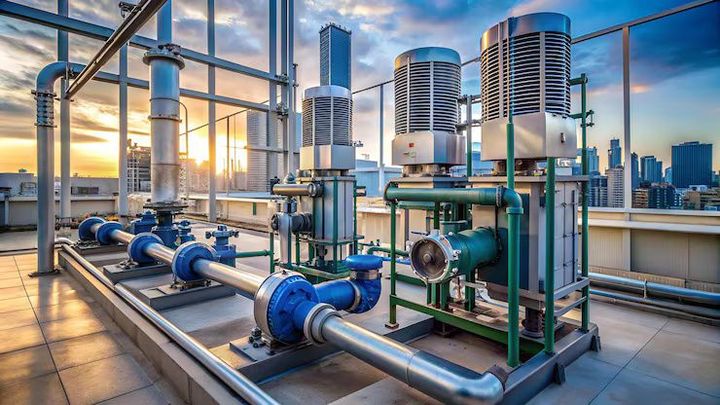
Hydraulic Cooling Systems Guide: Components, Types & Maintenance
Hydraulic cooling systems play an important role in keeping hydraulic equipment operating within a suitable temperature range. Whether found in construction equipment, manufacturing machinery, agricultural equipment, or industrial applications, these systems help remove excess heat created during normal operation. Heat is a natural part of every hydraulic system. Pumps, valves, hoses, and hydraulic fluid all generate heat as they work together.
Without proper cooling, temperatures can rise beyond the recommended range, affecting efficiency and increasing wear on components.
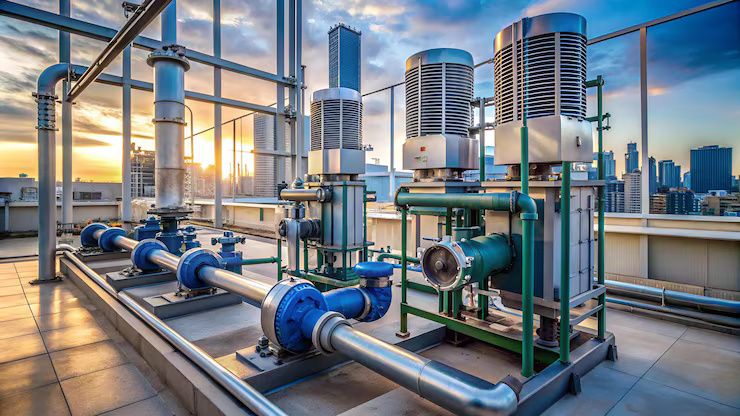
This guide explains hydraulic cooling systems in simple language, including how they work, their main components, common types, benefits, maintenance practices, and signs that cooling problems may be developing.
What Is a Hydraulic Cooling System?
A hydraulic cooling system is designed to remove excess heat from hydraulic fluid. As hydraulic fluid circulates through pumps, cylinders, motors, and valves, friction creates heat. The cooling system transfers that heat away from the fluid before it continues through the hydraulic circuit.
Keeping hydraulic fluid at an appropriate temperature helps maintain its properties. When fluid becomes too hot, it may lose viscosity, reducing lubrication and making it harder for components to work efficiently.
Hydraulic cooling systems are commonly used in:
- Construction equipment
- Agricultural machinery
- Manufacturing equipment
- Mining equipment
- Marine hydraulic systems
- Material handling machinery
- Industrial presses
- Injection molding machines
Why Temperature Control Matters
Hydraulic systems rely on fluid to transmit power and lubricate moving parts. Excessive heat can affect both the fluid and the mechanical components.
Maintaining proper operating temperature helps:
- Protect hydraulic fluid quality
- Reduce wear on pumps and valves
- Improve lubrication
- Extend equipment lifespan
- Support stable hydraulic pressure
- Reduce unexpected downtime
Temperature management is one of the key factors that influences the long-term performance of hydraulic equipment.
How Hydraulic Cooling Systems Work
The cooling process follows a straightforward cycle.
First, hydraulic fluid absorbs heat as it moves through the system.
Next, the heated fluid returns to the reservoir or directly passes through a cooler.
Inside the cooler, heat transfers from the hydraulic fluid to another cooling medium, usually air or water.
Once the temperature drops, the cooled fluid returns to the hydraulic circuit and continues operating.
This cycle repeats continuously whenever the hydraulic system is running.
Main Components of a Hydraulic Cooling System
Several parts work together to control hydraulic fluid temperature.
Hydraulic Cooler
The hydraulic cooler is the primary component responsible for removing heat.
It functions much like a radiator by allowing heat to move away from the hydraulic fluid.
Cooling Fan
Air-cooled systems use a fan to move air across the cooling fins. Increased airflow improves heat removal.
Heat Exchanger
Water-cooled systems rely on heat exchangers that transfer heat from hydraulic fluid into circulating water.
Hydraulic Reservoir
The reservoir stores hydraulic fluid while also allowing some natural heat to dissipate before the fluid re-enters the system.
Temperature Sensor
Temperature sensors monitor hydraulic fluid temperature. Operators can identify overheating before it develops into a larger issue.
Filters
Clean hydraulic fluid flows more efficiently through cooling components. Filters remove contaminants that may reduce cooling performance.
Types of Hydraulic Cooling Systems
Different applications use different cooling methods depending on operating conditions.
Air-Cooled Hydraulic Systems
Air-cooled systems use ambient air to remove heat from hydraulic fluid.
A fan pushes air across cooling fins, carrying heat away from the fluid.
These systems are commonly used where water is unavailable or where installation needs to remain relatively simple.
Advantages include:
- Straightforward installation
- Lower maintenance requirements
- Suitable for many outdoor applications
Water-Cooled Hydraulic Systems
Water-cooled systems transfer heat into circulating water using a heat exchanger.
Water removes heat more efficiently than air, making this design suitable for equipment operating under heavier thermal loads.
These systems often appear in manufacturing facilities, marine equipment, and continuous industrial operations.
Combination Cooling Systems
Some hydraulic installations combine air and water cooling to handle varying operating conditions.
These systems help maintain consistent temperatures even when equipment experiences changing workloads.
Common Causes of Hydraulic Overheating
Several conditions can cause hydraulic fluid temperature to rise.
Dirty Cooling Surfaces
Dust, dirt, and debris can block airflow across cooling fins or reduce heat transfer.
Restricted Hydraulic Filters
Clogged filters force the system to work harder, generating additional heat.
Low Hydraulic Fluid Level
Insufficient fluid reduces the system's ability to absorb and transfer heat.
Worn Hydraulic Pump
A worn pump creates additional internal friction, increasing fluid temperature.
Incorrect Hydraulic Fluid
Using fluid with unsuitable viscosity may reduce lubrication and increase heat generation.
Blocked Airflow
Objects surrounding the cooler may prevent proper air circulation, reducing cooling efficiency.
Signs That a Hydraulic Cooling System Needs Attention
Early warning signs often appear before significant damage occurs.
These may include:
- Hydraulic fluid becoming unusually hot
- Reduced equipment performance
- Slower hydraulic movement
- Unusual operating noise
- Warning lights or temperature alarms
- Discolored hydraulic fluid
- Fluid with a burnt smell
- Frequent overheating during operation
Regular inspection helps identify these signs before they affect equipment reliability.
Routine Maintenance Practices
Simple maintenance routines help hydraulic cooling systems continue operating effectively.
Inspect Cooling Fins
Keep cooling fins clean by removing dust, mud, leaves, and other debris.
Check Hydraulic Fluid
Monitor both fluid level and condition. Replace hydraulic fluid according to manufacturer recommendations.
Replace Filters
Clean filters help maintain smooth fluid flow throughout the hydraulic circuit.
Inspect Hoses
Look for leaks, cracks, or damaged hose connections that may reduce system performance.
Monitor Operating Temperature
Regular temperature checks help identify developing cooling problems.
Examine the Cooling Fan
Inspect fan blades, motors, and electrical connections for proper operation.
Check Water Flow
For water-cooled systems, verify that cooling water circulates without restrictions.
Applications of Hydraulic Cooling Systems
Hydraulic cooling systems support equipment across many industries.
Common applications include:
- Excavators
- Cranes
- Forklifts
- Agricultural tractors
- Harvesting equipment
- Hydraulic presses
- Plastic molding machines
- Mining machinery
- Marine hydraulic equipment
- Industrial production equipment
Each application depends on stable hydraulic temperatures for reliable operation.
Choosing an Appropriate Cooling System
Several factors influence cooling system selection.
These include:
- Equipment size
- Heat generated during operation
- Available installation space
- Operating environment
- Ambient temperature
- Duty cycle
- Cooling medium availability
Understanding these factors helps match the cooling method with equipment requirements.
Future Developments
Hydraulic cooling technology continues to evolve alongside modern machinery.
Current developments include:
- Smart temperature monitoring
- Digital sensors
- Variable-speed cooling fans
- Improved heat exchanger designs
- Energy-efficient cooling control
- Compact cooling assemblies
- Remote condition monitoring
These developments help operators monitor hydraulic temperatures more accurately while supporting efficient equipment operation.
Conclusion
Hydraulic cooling systems are an important part of modern hydraulic equipment. Their primary purpose is to remove excess heat from hydraulic fluid, helping pumps, valves, hoses, and other components operate within suitable temperature ranges.
Whether using air cooling, water cooling, or a combination of both, these systems contribute to stable operation, reduced component wear, and longer equipment life. Regular inspections, clean cooling components, proper hydraulic fluid maintenance, and temperature monitoring all help maintain reliable performance.
Understanding how hydraulic cooling systems work allows equipment owners, operators, students, and anyone interested in industrial machinery to better recognize their importance in everyday hydraulic applications.