Hydraulics Equipment Information: Essential Components and Uses
Hydraulics equipment plays an important role in many industries by using pressurized fluid to generate force and movement. From construction and manufacturing to agriculture and transportation, hydraulic systems help operate machines that require controlled power. Understanding hydraulics equipment information helps individuals learn how these systems function, where they are applied, and why they remain an essential part of modern engineering.
Hydraulic technology has continued to improve with better materials, digital monitoring, and energy-efficient designs. Today, many industries use hydraulic equipment to improve productivity, precision, and operational safety. Learning about hydraulic components and their practical uses provides valuable knowledge for students, technicians, engineers, and anyone interested in industrial equipment.
Context – What Is Hydraulics Equipment?
Hydraulics equipment refers to machines and components that use pressurized liquid, usually hydraulic oil, to transmit power. The basic principle is based on Pascal's Law, which states that pressure applied to a confined fluid is transmitted equally in all directions.
Hydraulic systems convert mechanical energy into hydraulic energy and then back into mechanical motion. This process allows equipment to lift heavy loads, move machinery, and perform precise operations with controlled force.
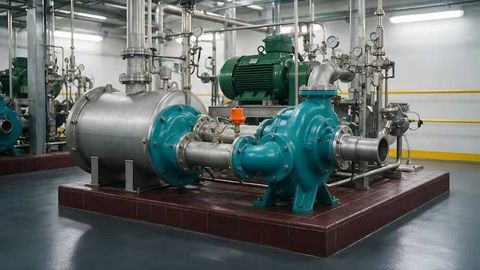
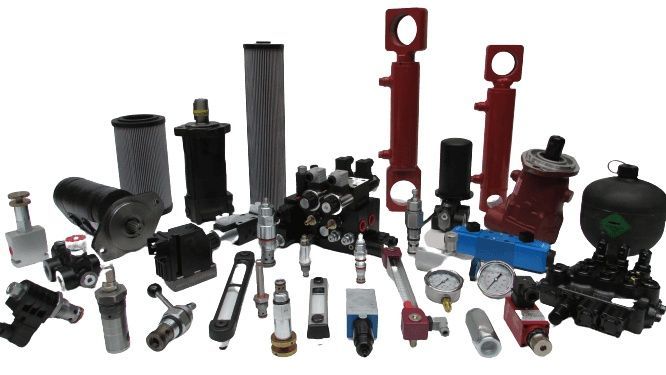
Common hydraulic equipment includes:
- Hydraulic pumps
- Hydraulic cylinders
- Hydraulic motors
- Hydraulic valves
- Hydraulic hoses
- Hydraulic reservoirs
- Pressure gauges
- Hydraulic filters
These components work together to create a complete hydraulic system capable of powering industrial machinery.
Common Hydraulic Components
| Component | Primary Function |
|---|---|
| Hydraulic Pump | Generates fluid flow |
| Hydraulic Cylinder | Produces linear movement |
| Hydraulic Motor | Produces rotary motion |
| Hydraulic Valve | Controls fluid direction and pressure |
| Hydraulic Hose | Transfers hydraulic fluid |
| Reservoir | Stores hydraulic oil |
| Filter | Removes contaminants |
| Pressure Gauge | Measures system pressure |
Hydraulic equipment is commonly found in excavators, forklifts, cranes, agricultural tractors, industrial presses, aircraft systems, mining equipment, and manufacturing machines.
Importance – Why It Matters and Who It Affects
Hydraulics equipment is important because it enables machines to produce significant force while maintaining accurate control. Many industrial operations depend on hydraulic systems for lifting, pressing, steering, braking, and material handling.
The importance of hydraulics equipment extends across multiple sectors.
- Construction projects rely on hydraulic excavators, loaders, and cranes.
- Agriculture uses hydraulic systems for tractors and harvesting equipment.
- Manufacturing facilities use hydraulic presses and production machinery.
- Transportation depends on hydraulic braking and steering systems.
- Aviation incorporates hydraulic controls for aircraft operations.
- Marine industries use hydraulic systems for steering and lifting equipment.
Hydraulic systems provide several practical advantages.
- High power output
- Smooth and controlled movement
- Reliable performance
- Compact design for large force generation
- Adaptability across different industries
Understanding hydraulics equipment information also supports safer operation, better maintenance practices, and improved equipment efficiency.
Recent Updates – Trends and Developments From 2024–2026
Hydraulic technology has experienced several developments between 2024 and 2026 as industries focus on efficiency, automation, and sustainability.
One major trend is the integration of smart sensors into hydraulic systems. These sensors continuously monitor pressure, temperature, vibration, and oil condition, allowing operators to detect maintenance needs before equipment performance declines.
Digital hydraulic controls have also become more common. Modern controllers improve movement precision while reducing unnecessary energy consumption.
Energy-efficient hydraulic pumps are another important development. Variable-speed pumps and load-sensing technology help reduce hydraulic fluid flow when full power is unnecessary, lowering energy usage.
Emerging Industry Trends
Modern hydraulic equipment increasingly includes:
- Internet-connected monitoring systems
- Predictive maintenance software
- Low-noise hydraulic components
- Environmentally improved hydraulic fluids
- Improved sealing technology
- Lightweight high-strength materials
- Automation-compatible hydraulic controls
Manufacturers also continue improving filtration systems to increase equipment lifespan and reduce maintenance requirements.
These developments support higher operational efficiency while helping industries reduce environmental impact.
Laws or Policies – Relevant Rules, Regulations, or Government Policies
Hydraulic equipment is subject to workplace safety regulations, equipment standards, and environmental requirements in many countries. These regulations are intended to improve worker safety, equipment reliability, and responsible fluid management.
Organizations commonly referenced for hydraulic equipment standards include:
- International Organization for Standardization (ISO)
- Occupational Safety and Health Administration (OSHA)
- American National Standards Institute (ANSI)
- International Electrotechnical Commission (IEC)
Important regulatory areas include:
- Hydraulic pressure safety
- Equipment inspection procedures
- Maintenance documentation
- Fluid handling requirements
- Workplace hazard prevention
- Environmental protection for hydraulic oil disposal
Industries are generally expected to inspect hydraulic hoses, cylinders, valves, and pressure systems regularly to reduce operational risks.
Many organizations also establish preventive maintenance schedules that help identify worn components before failures occur.
Compliance with applicable regulations contributes to safer workplaces and more reliable hydraulic system performance.
Tools and Resources – Useful Websites, Calculators, Templates, or Platforms
Several educational resources help individuals understand hydraulic systems and equipment operation.
Useful resources include:
- ISO standards database for international equipment standards
- OSHA guidance for workplace hydraulic safety
- Engineering reference websites explaining hydraulic principles
- Hydraulic pressure calculators
- Fluid flow calculators
- Cylinder force calculation tools
- Preventive maintenance checklists
- Equipment inspection templates
Many engineering education platforms also provide hydraulic circuit diagrams, simulation software, and technical reference materials that support learning.
Maintenance software can assist organizations by tracking inspection intervals, recording maintenance activities, and documenting equipment performance over time.
These resources help technicians, students, and engineers better understand hydraulic systems while supporting consistent maintenance practices.
FAQs
What is hydraulics equipment?
Hydraulics equipment includes machines and components that use pressurized fluid to generate force and movement for industrial and mechanical applications.
What are the main components of a hydraulic system?
The primary components include hydraulic pumps, cylinders, valves, motors, reservoirs, filters, hoses, and pressure gauges.
Where is hydraulic equipment commonly used?
Hydraulic equipment is widely used in construction, agriculture, manufacturing, mining, aviation, transportation, marine operations, and industrial production.
Why is hydraulic maintenance important?
Regular maintenance helps maintain system efficiency, reduces equipment wear, improves safety, and extends the operational life of hydraulic components.
What recent technologies are improving hydraulic equipment?
Recent developments include smart sensors, predictive maintenance systems, digital hydraulic controls, energy-efficient pumps, improved filtration technology, and environmentally improved hydraulic fluids.
Conclusion
Hydraulics equipment remains one of the most effective methods of transmitting power in industrial and mobile machinery. Its ability to generate significant force with precise control makes it valuable across construction, manufacturing, agriculture, transportation, and many other industries.
Recent technological improvements between 2024 and 2026 have introduced smarter monitoring, improved energy efficiency, and better maintenance capabilities. These developments continue to improve equipment reliability while supporting safer and more sustainable industrial operations.
Understanding hydraulics equipment information provides valuable knowledge for anyone interested in industrial systems. Learning about hydraulic components, operating principles, applicable regulations, and available technical resources helps build a stronger understanding of this essential engineering technology.
As industries continue adopting automation and digital monitoring, hydraulic systems are expected to remain an important part of modern equipment and infrastructure for many years.