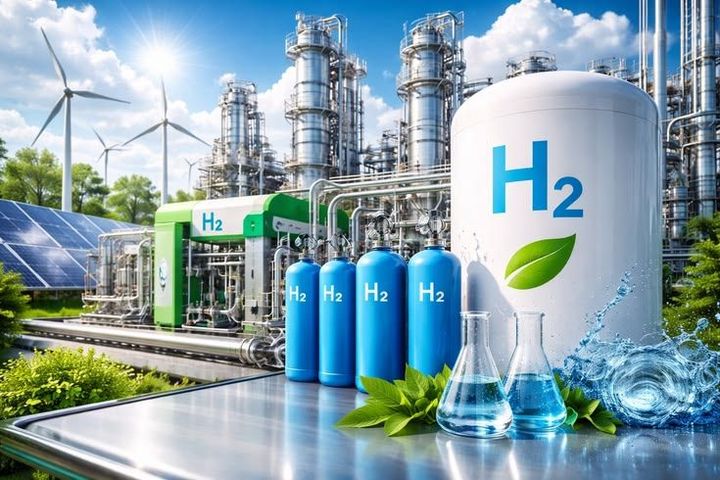
Hydrogen Air Generators: A Comprehensive Guide for Buyers and Industry Users
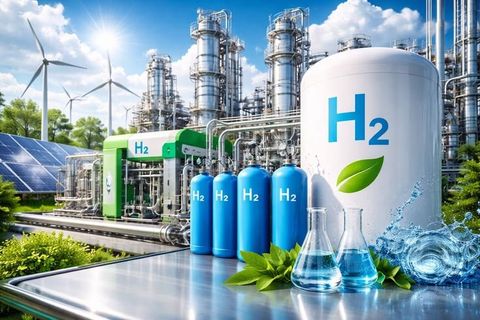
Hydrogen Air Generators have become increasingly important across various industries due to their ability to produce high-purity hydrogen on demand. Rather than relying on traditional hydrogen gas cylinders, these systems generate hydrogen directly from water or other suitable processes, providing a safer and more convenient solution for many applications.
What Are Hydrogen Air Generators?
Hydrogen Air Generators are systems designed to produce hydrogen gas from available resources, most commonly water, through electrolysis. The generated hydrogen can then be supplied directly to equipment, industrial processes, fuel cell systems, or laboratory instruments.
Unlike conventional hydrogen supply methods that rely on delivered gas cylinders, hydrogen generators create hydrogen on-site and on demand. This approach can improve efficiency while reducing dependence on external gas deliveries.
The technology has evolved significantly over recent years, resulting in higher purity levels, improved energy efficiency, enhanced safety features, and greater operational flexibility.
How Hydrogen Air Generators Work
Most Hydrogen Air Generators operate using an electrolysis process. During electrolysis:
- Water is introduced into the system.
- An electrical current passes through the water.
- Water molecules separate into hydrogen and oxygen.
- Hydrogen is collected and delivered for use.
- Oxygen is safely vented or managed according to system design.
Advanced systems incorporate purification technologies that help achieve the high hydrogen purity levels required for sensitive applications such as laboratory analysis and semiconductor manufacturing.
Benefits of Hydrogen Air Generators
Organizations often evaluate Hydrogen Air Generators because of several operational and practical advantages.
1. On-Demand Hydrogen Production
Users can generate hydrogen when needed rather than relying on external supply schedules. This helps maintain operational continuity and reduces the risk of running out of gas during critical processes.
2. Reduced Cylinder Handling
Traditional hydrogen cylinders require transportation, storage, replacement, and safety management. Hydrogen generators can reduce dependence on these activities.
3. Improved Workplace Safety
Many modern generators produce hydrogen at controlled rates and lower storage volumes, helping minimize risks associated with large quantities of compressed gas.
4. Consistent Gas Quality
High-quality systems are designed to deliver consistent hydrogen purity, which is particularly important for analytical instruments and precision manufacturing.
5. Operational Efficiency
By generating hydrogen at the point of use, organizations can simplify supply chain requirements and improve workflow efficiency.
6. Sustainability Potential
Hydrogen generation technologies may support broader sustainability goals when paired with renewable energy sources or efficient energy management practices.
Limitations of Hydrogen Air Generators
While Hydrogen Air Generators offer numerous advantages, they are not suitable for every situation.
1. Initial Investment
The upfront equipment cost may be higher than short-term cylinder usage, particularly for organizations with limited hydrogen requirements.
2. Power Consumption
Hydrogen generation requires electricity, making energy efficiency an important consideration.
3. Maintenance Requirements
Regular servicing, filter replacement, and system inspections are necessary to maintain performance and reliability.
4. Production Capacity Limits
Some applications require extremely large hydrogen volumes that may exceed the capabilities of smaller generator models.
5. Water Quality Requirements
Many systems require purified or deionized water to ensure proper operation and avoid contamination.
Types of Hydrogen Air Generators
Different technologies are available depending on the intended application.
Proton Exchange Membrane (PEM) Generators
PEM technology is among the most widely used hydrogen generation methods.
Advantages:
- High purity hydrogen output
- Compact design
- Fast response times
- Suitable for laboratory and industrial applications
Common Uses:
- Gas chromatography
- Fuel cell research
- Electronics manufacturing
- Analytical laboratories
Alkaline Electrolysis Generators
These systems use an alkaline electrolyte solution to support hydrogen production.
Advantages:
- Proven technology
- Suitable for larger-scale production
- Long operational history
Common Uses:
- Industrial processes
- Manufacturing operations
- Energy projects
High-Purity Laboratory Generators
Designed specifically for scientific and analytical environments.
Advantages:
- Extremely high gas purity
- Stable pressure output
- Instrument compatibility
Common Uses:
- Research laboratories
- Environmental testing
- Pharmaceutical analysis
Industrial Hydrogen Generation Systems
Engineered for continuous operation and larger production requirements.
Advantages:
- Higher output capacity
- Industrial-grade durability
- Scalable configurations
Common Uses:
- Metal processing
- Chemical manufacturing
- Industrial production facilities
Hydrogen Air Generator Type Comparison
| Type | Typical Purity | Scale | Common Applications | Maintenance Complexity |
|---|---|---|---|---|
| PEM Generator | Very High | Small to Medium | Laboratories, electronics | Low to Moderate |
| Alkaline Generator | High | Medium to Large | Industrial processes | Moderate |
| Laboratory Generator | Extremely High | Small | Analytical instruments | Low |
| Industrial System | High to Very High | Large | Manufacturing and production | Moderate to High |
Latest Trends and Innovations
The hydrogen generation sector continues to evolve as industries seek improved efficiency and sustainability.
Smart Monitoring Systems
Modern generators increasingly feature:
- Remote monitoring
- Performance analytics
- Predictive maintenance alerts
- Automated diagnostics
These capabilities help operators monitor system health and reduce downtime.
Improved Energy Efficiency
Manufacturers are developing systems that require less electricity while maintaining hydrogen output levels.
Integration with Renewable Energy
Some organizations are exploring hydrogen generation systems powered by solar and wind energy sources, supporting long-term sustainability objectives.
Compact System Design
Newer models offer smaller footprints while delivering greater production capacity, making installation easier in space-constrained environments.
Enhanced Safety Controls
Advanced sensors, automated shutdown mechanisms, leak detection technologies, and pressure management systems continue to improve operational safety.
Digital Connectivity
Industrial users increasingly demand systems compatible with modern automation platforms and facility management software.
Key Features to Consider
When evaluating Hydrogen Air Generators, decision-makers should assess several important characteristics.
Hydrogen Purity
Different applications require different purity levels. Laboratory and analytical environments typically require very high purity hydrogen.
Production Capacity
Consider:
- Current consumption needs
- Peak demand periods
- Future growth expectations
Pressure Output
Verify compatibility with existing equipment and operational requirements.
Energy Efficiency
Evaluate power consumption relative to hydrogen output.
Safety Features
Look for:
- Leak detection
- Automatic shutdown
- Pressure monitoring
- Alarm systems
- Overload protection
Maintenance Requirements
Systems with simplified maintenance procedures may reduce operational disruptions.
Water Requirements
Understand the type and quality of water required for efficient operation.
System Scalability
Organizations planning expansion may benefit from solutions that can accommodate increasing demand.
Leading Companies and Solutions in the Market
Several established companies provide hydrogen generation solutions for laboratory, industrial, and energy applications.
Comparison Overview
| Company | Primary Focus | Common Applications |
| Parker Hannifin | Laboratory and industrial gas generation | Analytical instruments, manufacturing |
| Peak Scientific | Laboratory hydrogen generators | Gas chromatography |
| Nel Hydrogen | Large-scale hydrogen systems | Industrial and energy projects |
| Cummins | Hydrogen and fuel cell technologies | Energy and industrial applications |
| Linde | Industrial gas solutions | Manufacturing and process industries |
| Air Products | Industrial hydrogen technologies | Production and industrial operations |
Each company offers solutions tailored to specific use cases, capacities, and operational environments. Buyers should compare technical specifications, service support, reliability records, and compatibility with existing systems before making a decision.
How to Choose the Right Hydrogen Air Generator
Selecting the right system involves balancing operational requirements, performance expectations, and long-term objectives.
Step 1: Define Your Application
Identify whether the generator will support:
- Laboratory analysis
- Manufacturing
- Research
- Energy systems
- Industrial production
Step 2: Determine Required Hydrogen Volume
Estimate both current and future hydrogen demand.
Step 3: Assess Purity Requirements
Different processes require varying purity standards.
Step 4: Evaluate Installation Conditions
Consider:
- Available space
- Ventilation requirements
- Power supply availability
- Water supply quality
Step 5: Review Safety Requirements
Ensure compliance with relevant safety standards and operational procedures.
Step 6: Consider Long-Term Operating Costs
Look beyond initial acquisition and evaluate:
- Maintenance needs
- Energy consumption
- Consumable replacement requirements
- Service support availability
Buyer Evaluation Checklist
Before selecting a Hydrogen Air Generator, confirm the following:
- Required hydrogen purity identified
- Daily hydrogen demand calculated
- Future growth considered
- Available installation space measured
- Safety features reviewed
- Energy consumption evaluated
- Maintenance requirements understood
- Technical support availability confirmed
- Compatibility with existing equipment verified
- Regulatory requirements assessed
Best Practices for Use and Maintenance
Proper operation can help maximize system performance and longevity.
Use Recommended Water Quality
Follow manufacturer guidelines regarding water purity and treatment requirements.
Perform Regular Inspections
Routine checks can help identify potential issues before they affect performance.
Monitor System Performance
Track pressure, purity levels, output rates, and operating conditions regularly.
Replace Filters as Required
Timely replacement helps maintain hydrogen quality and system efficiency.
Keep Maintenance Records
Documentation can support troubleshooting, compliance efforts, and long-term planning.
Follow Safety Procedures
Ensure personnel understand operating procedures and emergency protocols.
Schedule Preventive Maintenance
Preventive servicing often reduces unexpected downtime and extends equipment life.
Frequently Asked Questions
Are Hydrogen Air Generators safe?
Modern Hydrogen Air Generators are designed with multiple safety mechanisms such as leak detection, pressure monitoring, and automatic shutdown features. Proper installation and maintenance remain essential.
What industries commonly use Hydrogen Air Generators?
Industries include laboratories, pharmaceuticals, electronics manufacturing, chemical processing, research facilities, energy projects, and metal fabrication operations.
How pure is the hydrogen produced?
Purity levels vary by technology and application. Many laboratory-grade systems can produce exceptionally high-purity hydrogen suitable for sensitive analytical equipment.
Do Hydrogen Air Generators require a lot of maintenance?
Most modern systems are designed for relatively straightforward maintenance, although requirements depend on system size, usage intensity, and operating conditions.
Can Hydrogen Air Generators replace gas cylinders completely?
For many applications, they can significantly reduce or eliminate dependence on hydrogen cylinders. However, suitability depends on hydrogen demand and operational requirements.
What factors affect system performance?
Water quality, operating environment, maintenance practices, power supply stability, and system design can all influence performance.
Are Hydrogen Air Generators suitable for small laboratories?
Yes. Many compact models are specifically designed for laboratory environments and analytical instrumentation.
Can these systems support future expansion?
Many manufacturers offer scalable solutions that allow organizations to increase capacity as hydrogen requirements grow.
Conclusion
Hydrogen Air Generators have become an important technology for organizations seeking reliable, on-demand hydrogen production. Their ability to reduce dependence on delivered gas supplies, provide consistent hydrogen quality, and support a range of industrial and laboratory applications makes them an attractive option for many users.