Plastic Wrapper Machine: A Complete Guide to Types, Features, Benefits, and Buying Considerations
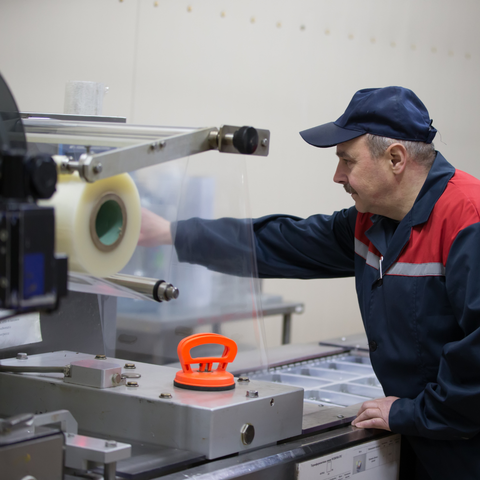
A plastic wrapper machine is designed to wrap products, pallets, boxes, or other items using plastic film to provide protection during storage, transportation, or display. These machines help improve packaging consistency, reduce manual labor, and support higher production volumes.
What Is a Plastic Wrapper Machine?
A plastic wrapper machine is a packaging system that applies plastic film around products or palletized goods. Depending on the machine type and application, the wrapping process may be performed automatically, semi-automatically, or manually assisted.
The primary goals of wrapping include:
- Protecting products from dust and moisture
- Improving stability during transport
- Reducing packaging inconsistencies
- Supporting efficient warehouse operations
- Enhancing product presentation
These machines are commonly used across industries such as:
- Food and beverage
- Pharmaceuticals
- Consumer goods
- Electronics
- Logistics and warehousing
- Industrial manufacturing
- Retail distribution
Benefits of Plastic Wrapper Machines
Businesses often invest in plastic wrapper machines to improve packaging performance and operational efficiency.
1. Improved Product Protection
Plastic wrapping helps shield products from environmental exposure, including dust, dirt, and moisture.
2. Increased Packaging Consistency
Automated systems can provide uniform wrapping patterns, helping maintain packaging standards across production runs.
3. Reduced Labor Requirements
Machines can perform repetitive wrapping tasks faster than manual methods, allowing employees to focus on other operational activities.
4. Better Load Stability
Wrapped pallets are generally easier to handle and transport, reducing the risk of product movement during shipping.
5. Higher Throughput
Facilities with large packaging volumes can process more products in less time using automated systems.
6. Enhanced Warehouse Efficiency
Consistent packaging can simplify storage, stacking, and inventory management processes.
Limitations of Plastic Wrapper Machines
While beneficial, these machines also have limitations that buyers should consider.
1. Initial Investment
Advanced automatic systems typically require higher upfront investment compared to manual solutions.
2. Maintenance Requirements
Regular inspections and maintenance are necessary to maintain reliable performance.
3. Operator Training
Staff may require training to properly operate and troubleshoot the equipment.
4. Space Requirements
Large industrial wrapping systems may require significant floor space.
5. Film Consumption
Improper machine settings can result in excessive film usage and increased packaging costs.
Types of Plastic Wrapper Machines
Different applications require different wrapping technologies.
Stretch Wrapping Machines
Stretch wrapping machines use stretch film to secure products and pallets.
Common applications:
- Warehousing
- Logistics
- Manufacturing facilities
Advantages:
- Efficient pallet stabilization
- Suitable for high-volume operations
- Widely used across industries
Shrink Wrapping Machines
Shrink wrapping machines apply heat to shrink plastic film around products.
Common applications:
- Food packaging
- Consumer products
- Retail packaging
Advantages:
- Professional appearance
- Secure packaging
- Good product visibility
Orbital Wrapping Machines
These machines wrap long or irregular products.
Common applications:
- Pipes
- Lumber
- Metal profiles
- Construction materials
Advantages:
- Suitable for oversized products
- Consistent wrapping coverage
Horizontal Wrapping Machines
Horizontal systems move products through a wrapping process.
Common applications:
- Bakery products
- Medical supplies
- Consumer goods
Advantages:
- Continuous production
- High-speed packaging
Pallet Wrapping Machines
Designed specifically for palletized loads.
Common applications:
- Distribution centers
- Manufacturing plants
- Export operations
Advantages:
- Improved shipping stability
- Reduced product movement
Comparison of Common Plastic Wrapper Machine Types
| Machine Type | Best For | Automation Level | Typical Usage |
|---|---|---|---|
| Stretch Wrapper | Pallets and cartons | Medium to High | Warehousing |
| Shrink Wrapper | Individual products | Medium to High | Retail packaging |
| Orbital Wrapper | Long items | Medium to High | Industrial materials |
| Horizontal Wrapper | Continuous products | High | Food and consumer goods |
| Pallet Wrapper | Large pallet loads | Medium to High | Logistics and shipping |
Latest Trends and Innovations
Packaging technology continues to evolve as manufacturers seek improved efficiency and sustainability.
Smart Automation
Modern machines increasingly incorporate sensors, automated controls, and monitoring systems to improve operational accuracy.
Data-Driven Operations
Some packaging systems can integrate with production software to monitor performance metrics and machine utilization.
Film Optimization Technology
New systems aim to reduce unnecessary film consumption while maintaining load stability.
Energy-Efficient Components
Manufacturers are focusing on motors and control systems designed to reduce energy usage.
Remote Diagnostics
Advanced machines may support remote troubleshooting and maintenance monitoring.
Sustainable Packaging Support
Many organizations are exploring recyclable and reduced-material packaging solutions that work with modern wrapping equipment.
Interestingly, industries adopting automation technologies such as packaging systems often evaluate other efficiency-focused technologies, including Hydrogen Air Generators used in specialized industrial environments. While serving entirely different purposes, both technologies reflect a broader industry trend toward operational optimization and resource management.
Key Features to Consider Before Buying
Buyers should evaluate several factors before selecting a plastic wrapper machine.
Production Volume
Consider daily packaging requirements.
Questions to ask:
- How many products need wrapping each day?
- Is future production growth expected?
Automation Level
Options include:
- Manual
- Semi-automatic
- Fully automatic
Higher automation may improve productivity in larger operations.
Film Compatibility
Ensure the machine supports the film types required for your application.
Product Dimensions
Evaluate:
- Product size
- Product weight
- Pallet dimensions
- Load characteristics
Machine Footprint
Verify available floor space before installation.
Ease of Operation
User-friendly controls may simplify training and daily operation.
Maintenance Accessibility
Machines with accessible components can help streamline servicing and reduce downtime.
Safety Features
Look for:
- Emergency stop systems
- Safety guards
- Sensor protection
- Operator alerts
Buyer Evaluation Checklist
Before making a decision, consider the following checklist:
Operational Needs
- Required packaging speed
- Daily production volume
- Product dimensions
- Load stability requirements
Technical Requirements
- Available facility space
- Electrical requirements
- Automation preferences
- Film compatibility
Long-Term Considerations
- Maintenance support
- Operator training needs
- Scalability
- Replacement part availability
Major Manufacturers and Solutions
Several manufacturers are recognized for providing packaging and wrapping equipment across different industries.
Signode
Known for packaging automation and pallet wrapping solutions.
Robopac
Offers a wide range of stretch wrapping systems for industrial applications.
Lantech
Recognized for pallet wrapping technology and logistics-focused solutions.
Wulftec
Provides wrapping equipment designed for demanding industrial environments.
Orion Packaging
Offers automated stretch wrapping and packaging systems.
Aetna Group
Produces packaging machinery serving global manufacturing operations.
Comparison of Buying Considerations
| Factor | Small Operations | Medium Operations | Large Operations |
| Automation | Manual or Semi-Automatic | Semi-Automatic | Fully Automatic |
| Production Speed | Low | Medium | High |
| Investment Level | Lower | Moderate | Higher |
| Labor Dependence | Higher | Moderate | Lower |
| Scalability | Limited | Moderate | High |
Tips for Effective Use and Maintenance
Proper operation and maintenance can help improve machine longevity and reliability.
Perform Regular Inspections
Check:
- Rollers
- Sensors
- Film holders
- Moving components
Follow Manufacturer Guidelines
Use recommended operating procedures and maintenance schedules.
Keep Equipment Clean
Dust and debris accumulation may affect machine performance.
Monitor Film Usage
Tracking film consumption can help identify inefficient settings.
Train Operators Properly
Well-trained operators can reduce errors and improve productivity.
Schedule Preventive Maintenance
Routine servicing may help identify potential issues before they become major problems.
Frequently Asked Questions
What industries commonly use plastic wrapper machines?
They are widely used in food processing, manufacturing, warehousing, logistics, pharmaceuticals, and retail distribution.
Are plastic wrapper machines suitable for small businesses?
Yes. Many manufacturers offer manual and semi-automatic systems suitable for lower production volumes.
How often should maintenance be performed?
Maintenance schedules vary by machine type and usage levels. Following manufacturer recommendations is generally advised.
What is the difference between stretch wrapping and shrink wrapping?
Stretch wrapping uses elastic film stretched around products, while shrink wrapping uses heat to tighten film around items.
Can plastic wrapper machines reduce labor requirements?
Many businesses use these machines to automate repetitive packaging tasks, potentially reducing manual workload.
What factors most influence machine selection?
Production volume, product dimensions, automation requirements, facility space, maintenance needs, and long-term operational goals are often the most important considerations.
Are automated systems always better?
Not necessarily. The best choice depends on operational requirements, budget considerations, and production demands.
Conclusion
Plastic wrapper machines have become an important part of modern packaging operations, helping businesses improve packaging consistency, product protection, and workflow efficiency. From simple semi-automatic systems to highly automated industrial solutions, there are options available for a wide range of operational needs.
When evaluating a machine, buyers should focus on production requirements, automation levels, maintenance expectations, scalability, and long-term operational goals rather than selecting equipment based solely on initial investment considerations. Understanding the available machine types, key features, and industry trends can support more informed decision-making and help organizations choose solutions that align with their packaging objectives.