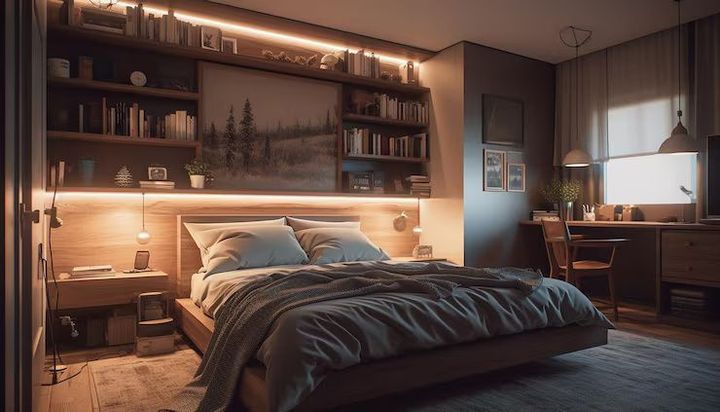
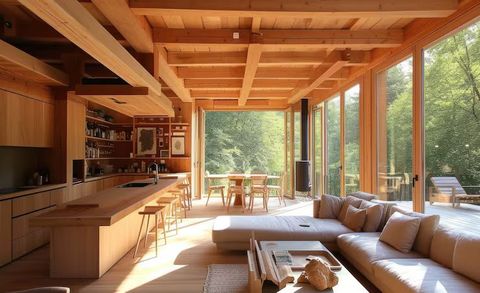
The industrial style originally emerged from converted industrial buildings in large cities where exposed pipes, brick walls, and unfinished surfaces became part of the interior aesthetic. Furniture designers later adapted these elements into bedroom furniture collections that focus on durability, simplicity, and functionality.
Common industrial bedroom furniture pieces include:
Industrial Bed Frames
Metal-framed beds with wooden accents are among the most recognized industrial-style items. These frames often feature matte black finishes, minimalist structures, and strong support systems.
Industrial Nightstands
Industrial nightstands usually combine steel frames with wooden shelves or drawers. Open storage layouts are common because they support both functionality and visual simplicity.
Industrial Wardrobes and Dressers
These storage pieces often use sliding barn-style doors, reclaimed wood textures, and dark-toned metal hardware for a warehouse-inspired appearance.
Industrial Lighting and Accessories
Pendant lights, exposed bulbs, pipe-inspired lamps, and metal wall shelves help complete the industrial bedroom atmosphere.
Why Industrial Bedroom Furniture Matters Today
Modern homeowners increasingly prefer furniture that combines practicality with long-lasting construction. Industrial bedroom furniture supports this need by offering durable materials and adaptable designs suitable for various interior spaces.
Several lifestyle trends have contributed to the growth of industrial-style interiors:
| Trend | Impact on Industrial Furniture |
|---|
| Urban Apartment Living | Compact and functional furniture designs are preferred |
| Sustainable Materials | Reclaimed wood and recycled metals are widely used |
| Minimalist Interiors | Clean lines and simple structures fit modern lifestyles |
| Remote Work Spaces | Bedrooms now require multifunctional furniture |
| Smart Home Integration | Furniture supports lighting and cable management systems |
Industrial furniture is also valued because it works well with multiple interior themes. It can blend with rustic, Scandinavian, modern, and minimalist designs without overwhelming the room.
Many homeowners choose industrial bedroom furniture because it solves practical design challenges, including:
-
Limited storage space
-
Small apartment layouts
-
Durability concerns
-
Easy maintenance requirements
-
Long-term furniture usability
The use of neutral colors such as gray, black, brown, and matte finishes also makes industrial furniture adaptable to changing decor trends.
Recent Updates and Design Trends in 2025
Interior design trends in 2025 continue to show strong interest in industrial furniture aesthetics. Several recent developments are shaping how industrial bedroom furniture is designed and used.
Sustainable Manufacturing Growth
In 2024 and 2025, furniture manufacturers increased the use of reclaimed wood, recycled steel, and environmentally conscious coatings. Sustainability reporting standards in many countries encouraged brands to reduce waste and improve material sourcing transparency.
Smart Furniture Integration
Industrial bedroom furniture now includes technology-friendly features such as:
-
Wireless charging surfaces
-
Hidden cable management systems
-
Adjustable LED lighting
-
Modular storage compartments
These additions support modern living environments where bedrooms often serve as both personal and work spaces.
Mixed Material Designs
Recent collections combine industrial metal structures with softer materials like upholstered headboards and textured fabrics. This approach helps balance the traditionally rugged industrial appearance with improved comfort.
Compact Urban Furniture
As apartment living continues to increase in major cities, furniture designers are focusing on multifunctional industrial pieces, including:
-
Storage beds
-
Foldable desks
-
Wall-mounted shelving
-
Vertical wardrobe systems
Neutral Earth-Tone Palettes
Interior design reports from late 2024 highlighted increased demand for warm earth tones combined with industrial materials. Shades like walnut brown, charcoal gray, matte bronze, and soft black are becoming more common.
Regulations and Policies Affecting Furniture Production
Industrial bedroom furniture is influenced by manufacturing regulations, safety standards, and environmental policies in many countries.
Environmental Regulations
Governments in regions such as the European Union, the United States, and parts of Asia have strengthened sustainability requirements for furniture manufacturers. These regulations often focus on:
-
Reduced chemical emissions
-
Sustainable timber sourcing
-
Recyclable packaging
-
Carbon footprint reduction
Wood certification programs such as FSC (Forest Stewardship Council) are increasingly referenced in furniture production standards.
Indoor Air Quality Standards
Many countries regulate formaldehyde emissions and chemical coatings used in furniture production. These rules help improve indoor air quality and reduce health risks associated with synthetic materials.
Fire Safety Standards
Bedroom furniture materials may need to comply with fire resistance regulations depending on regional requirements. Upholstered furniture components are particularly affected by these standards.
Import and Trade Policies
Global supply chain adjustments during 2024 affected furniture imports and raw material sourcing. Metal prices and transportation costs influenced industrial furniture manufacturing in several markets.
Helpful Tools and Resources for Interior Planning
Planning an industrial bedroom layout can become easier with digital tools and online resources. Several platforms help homeowners explore room arrangements, furniture compatibility, and interior styling ideas.
Room Planning Applications
Popular room design applications allow users to visualize industrial furniture placement before making design decisions.
Helpful features often include:
-
3D room simulations
-
Furniture dimension mapping
-
Lighting previews
-
Color palette testing
Material Calculators
Wood and metal material calculators help estimate space requirements and furniture proportions for custom layouts.
Interior Inspiration Platforms
Design inspiration websites and digital mood board tools help users compare industrial bedroom styles and organize decor concepts.
Smart Lighting Tools
Industrial bedrooms frequently use layered lighting systems. Smart lighting applications allow users to control brightness, scheduling, and color temperature.
Furniture Maintenance Resources
Maintenance guides for reclaimed wood and metal furniture help preserve durability and appearance over time.
Useful maintenance recommendations include:
-
Regular dust removal
-
Moisture protection
-
Anti-rust treatments
-
Surface polishing
-
Protective floor padding
Industrial Bedroom Furniture Design Ideas
Industrial bedrooms can be customized for different room sizes and personal preferences.
Small Bedroom Layouts
For compact rooms, designers often recommend:
-
Wall-mounted shelves
-
Under-bed storage
-
Open-frame furniture
-
Sliding door wardrobes
-
Neutral color schemes
Large Bedroom Concepts
Larger industrial bedrooms may include:
-
Statement metal bed frames
-
Exposed brick accent walls
-
Oversized pendant lighting
-
Large wooden dressers
-
Industrial-style seating areas
Color Coordination
Industrial furniture works effectively with colors such as:
-
Matte black
-
Deep gray
-
Rustic brown
-
White concrete tones
-
Olive green accents
Textiles such as linen bedding and woven rugs can soften the industrial appearance while maintaining balance.
Frequently Asked Questions
What materials are commonly used in industrial bedroom furniture?
Industrial bedroom furniture typically uses metal, steel, reclaimed wood, iron, engineered wood, and matte-finish hardware. These materials create a durable and warehouse-inspired appearance.
Is industrial bedroom furniture suitable for small apartments?
Yes. Many industrial furniture designs focus on compact layouts and multifunctional storage, making them suitable for apartments and smaller urban homes.
How do you maintain industrial furniture surfaces?
Maintenance usually involves regular cleaning, avoiding excess moisture, and applying protective treatments to wood and metal surfaces when needed.
Can industrial furniture match modern interiors?
Industrial furniture blends well with modern, minimalist, rustic, and Scandinavian interiors because of its neutral colors and simple structural design.
Are sustainable materials used in industrial furniture today?
Many manufacturers now use reclaimed wood, recycled metals, and low-emission finishes to support environmental sustainability goals and modern manufacturing standards.
Conclusion
Industrial bedroom furniture continues to evolve as modern lifestyles prioritize durability, functionality, and adaptable interior design. Inspired by warehouse aesthetics and urban architecture, this furniture style combines practical storage solutions with minimalist visual appeal.
Recent trends show increased focus on sustainability, multifunctional layouts, and technology integration. Government regulations related to environmental safety and material standards are also shaping the future of furniture manufacturing worldwide.
Whether used in compact apartments or spacious homes, industrial bedroom furniture offers a balance between modern simplicity and long-lasting construction. With thoughtful planning, neutral styling, and smart organization, industrial interiors can create comfortable and visually balanced bedroom environments for a wide range of living spaces.