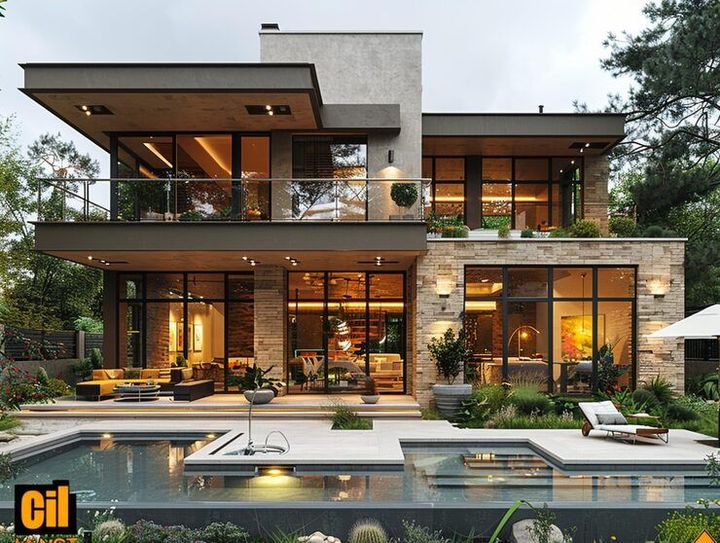
Luxury House Designs: Explore Elegant Layouts and Modern Architecture Trends
Luxury house designs refer to residential layouts and architectural concepts that combine spacious planning, advanced materials, aesthetic detailing, and modern living features.
These homes are often associated with comfort, functionality, and visual balance rather than only size or appearance. Over time, luxury home design ideas have evolved from traditional mansions with decorative interiors to modern residences that focus on open spaces, sustainability, and technology integration.
The concept of luxury house architecture has existed across many cultures for centuries. Ancient villas in Europe, courtyard homes in Asia, and large estates in different regions reflected social status, climate adaptation, and craftsmanship. In modern architecture, luxury living has become more connected to practical design choices, such as energy efficiency, privacy, natural lighting, and flexible indoor-outdoor spaces.
Today, modern luxury house designs vary widely in style. Some feature minimalist architecture with clean lines and neutral materials, while others use natural stone, wood, glass, and landscape integration to create a balanced environment. Architects and designers often focus on how people move through the home, how rooms connect to outdoor areas, and how technology can support daily living.
Custom luxury home design has also become more common due to changing lifestyle needs. Families may include dedicated workspaces, wellness areas, entertainment rooms, and smart systems that manage lighting, climate, and security. These features are often planned during the early stages of design to ensure the home supports long-term use.
Importance
Luxury house designs matter because they reflect broader changes in architecture, urban planning, environmental awareness, and personal living preferences. Even people who do not live in large homes often follow trends from high end home architecture design because many ideas later influence mainstream housing developments.
Changing Lifestyle Needs
Modern households often require flexible spaces. Open kitchens, home offices, exercise rooms, and outdoor living areas have become common in luxury house design for villas and urban homes alike. These layouts support remote work, social gatherings, and multi-generational living.
Focus on Sustainability
Many modern luxury house designs now include environmental considerations. Architects use features such as:
- Solar energy systems
- Rainwater collection
- Natural ventilation
- Energy-efficient glass
- Sustainable building materials
These design elements help reduce energy use while improving indoor comfort.
Integration of Smart Technology
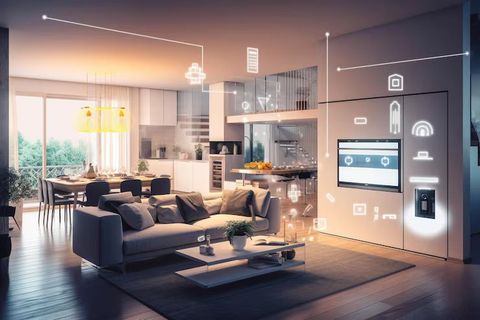
Smart luxury home designs increasingly include automated systems for lighting, security, temperature control, and entertainment. These technologies allow residents to manage household functions through mobile devices or voice commands.
The following table shows common smart features found in luxury homes and their general purpose:
| Smart Feature | Main Function | Common Use |
|---|---|---|
| Automated Lighting | Controls brightness and timing | Energy management |
| Smart Thermostats | Adjusts indoor temperature | Climate control |
| Security Systems | Monitors entrances and cameras | Home safety |
| Voice Assistants | Operates connected devices | Convenience |
| Smart Irrigation | Manages garden watering | Water efficiency |
Influence on Urban and Rural Development
Luxury house architecture can also shape broader architectural trends in cities and suburban regions. Large windows, sustainable materials, and open-plan living have gradually appeared in standard residential projects after becoming popular in high-end homes.
Recent Updates
From 2024 to 2026, several trends have influenced luxury home design ideas around the world. These developments reflect changes in technology, environmental awareness, and lifestyle priorities.
Minimalist and Nature-Inspired Architecture
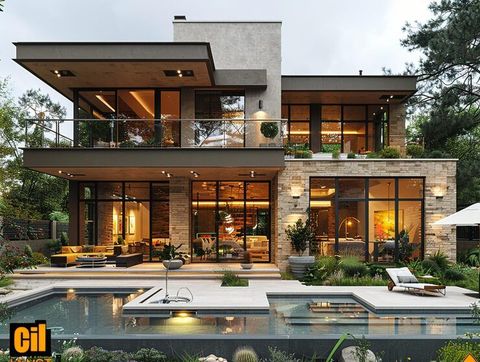
One major trend involves blending homes with natural surroundings. Architects increasingly use large glass panels, indoor gardens, natural stone, and wooden textures to create calm living environments. This approach appears frequently in modern luxury house designs located near coastlines, forests, or mountains.
Wellness-Focused Interior Planning
Luxury homes are now often designed with wellness spaces integrated into the layout. Common additions include:
- Meditation rooms
- Indoor fitness spaces
- Spa-inspired bathrooms
- Air purification systems
- Natural daylight optimization
These elements aim to improve comfort and indoor environmental quality.
Flexible Multi-Purpose Spaces
Home layouts have become more adaptable. Instead of fixed-use rooms, architects create areas that can change function over time. A study area may later become a guest room or entertainment space depending on household needs.
Sustainable Construction Materials
Recent architectural projects increasingly use recycled metals, engineered wood, low-emission paints, and energy-efficient insulation materials. Many luxury house design architects also focus on reducing environmental impact during construction.
Advanced Smart Systems
Smart luxury home designs now connect multiple systems into a single digital platform. Residents may control lighting, appliances, security, and climate through centralized interfaces. Artificial intelligence is also beginning to support predictive climate control and energy management.
Outdoor Living Expansion
Outdoor areas are receiving more attention in luxury house design for villas and large residences. Features such as shaded terraces, rooftop gardens, outdoor kitchens, and swimming pools are often integrated into the overall architectural layout instead of treated as separate additions.
Laws or Policies
Luxury house architecture is influenced by local building regulations, zoning rules, environmental policies, and construction standards. These laws vary by country and region but generally aim to ensure safety, sustainability, and proper land use.
Building Codes
Most countries require residential structures to follow national or regional building codes. These rules may cover:
- Structural safety
- Electrical systems
- Fire protection
- Plumbing standards
- Accessibility requirements
Luxury homes often involve complex designs, making compliance with engineering and safety regulations especially important.
Environmental Regulations
Many governments now encourage sustainable building practices. Environmental rules may affect:
- Energy efficiency ratings
- Water conservation systems
- Solar panel installation
- Waste management during construction
- Green roof structures
In some areas, large residential projects must complete environmental impact assessments before construction begins.
Zoning and Land Use Rules
Zoning laws determine how land can be used in urban and rural areas. Luxury house design for villas may face restrictions related to:
- Building height
- Property boundaries
- Floor area ratio
- Heritage preservation
- Coastal development
These regulations help manage infrastructure demands and preserve environmental balance.
Smart Home Privacy Considerations
As smart luxury home designs become more connected, data privacy regulations are also becoming relevant. Security cameras, voice systems, and connected devices may collect household data, so homeowners often need to follow digital privacy guidelines and cybersecurity recommendations.
Tools and Resources
Several digital tools and online resources help architects, homeowners, and designers plan luxury house designs more effectively. These platforms support visualization, layout planning, and material selection.
Architectural Design Software
Programs commonly used in luxury house architecture include:
- AutoCAD for technical drafting
- SketchUp for 3D visualization
- Revit for building information modeling
- Rhino for advanced architectural forms
These tools allow designers to create detailed plans and realistic renderings.
Interior Visualization Platforms
Interior planning software helps users experiment with layouts, lighting, and furniture placement. Some platforms support virtual walkthroughs that simulate room movement and lighting conditions.
Smart Home Planning Resources
Technology companies provide online configuration platforms for connected home systems. These tools help plan:
- Security integration
- Lighting automation
- Climate control
- Energy monitoring
Sustainability Assessment Tools
Environmental evaluation tools assist architects in estimating energy performance and environmental impact. These resources often calculate insulation performance, water usage, and natural ventilation efficiency.
Inspiration and Reference Platforms
Architecture websites and digital design galleries allow readers to explore examples of custom luxury home design from different regions and styles. These resources help people understand how modern layouts, materials, and landscape planning work together.
FAQs
What are modern luxury house designs?
Modern luxury house designs are residential layouts that combine spacious interiors, contemporary architecture, advanced technology, and practical living features. These homes often include open floor plans, large windows, sustainable materials, and integrated smart systems.
How does custom luxury home design differ from standard home planning?
Custom luxury home design focuses on personalized layouts, materials, and functionality based on the homeowner’s lifestyle and preferences. Standard residential layouts usually follow more fixed templates with fewer modifications.
Why are smart luxury home designs becoming more common?
Smart luxury home designs are becoming more common because digital systems can manage lighting, temperature, security, and entertainment more efficiently. Many households also value remote access and automated energy management.
What features are common in luxury house design for villas?
Luxury house design for villas often includes private outdoor areas, swimming pools, landscaped gardens, large terraces, natural lighting, and open indoor-outdoor transitions. Villas may also include wellness rooms and entertainment spaces.
What do luxury house design architects focus on during planning?
Luxury house design architects typically focus on spatial flow, environmental performance, structural balance, natural lighting, and long-term functionality. They also consider local climate conditions, zoning regulations, and material durability.
Conclusion
Luxury house designs continue to evolve alongside changes in technology, sustainability practices, and lifestyle preferences. Modern layouts often prioritize flexibility, natural lighting, environmental efficiency, and integrated smart systems. Luxury house architecture now reflects both aesthetic goals and practical living needs, especially in urban and villa environments. As architectural trends develop, many ideas from high end home architecture design continue to influence broader residential planning and interior design approaches.