Industrial Boiler System Insights: Components, Efficiency & Modern Usage Guide
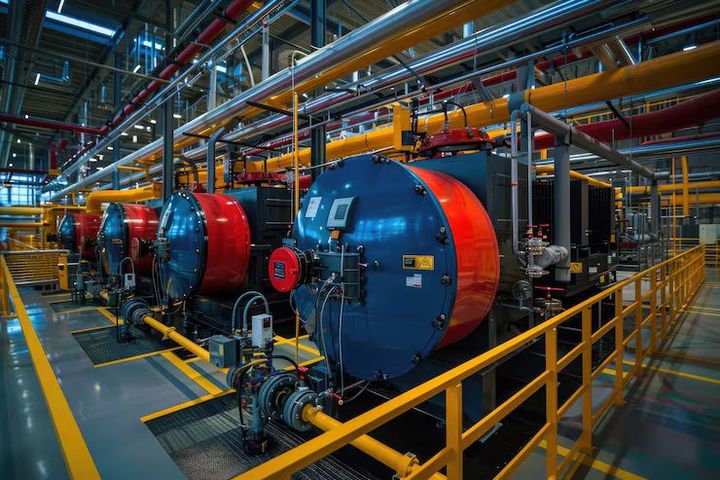
Industrial boiler systems are essential equipment used to generate steam or hot water for industrial processes. These systems operate by heating water using fuel sources such as natural gas, coal, oil, or electricity. The generated steam or hot water is then used in applications like manufacturing, power generation, chemical processing, and food production.
At a basic level, an industrial boiler system includes key elements such as a combustion chamber, heat exchanger, water supply system, and control mechanisms. These components work together to convert energy into usable thermal output efficiently.
Industries rely on boilers to maintain consistent temperature and pressure conditions. Without them, many production processes would slow down or become unreliable. This is why understanding boiler system design, boiler efficiency optimization, and industrial heating systems is important for engineers, plant operators, and even learners exploring mechanical systems.
Why Industrial Boiler Systems Matter Today
Industrial boiler systems play a crucial role in modern infrastructure and production environments. Their importance has grown due to increasing demand for energy efficiency, environmental sustainability, and process reliability.
Some key reasons why these systems matter include:
- Energy Efficiency Optimization: Advanced boiler systems help reduce fuel consumption while maintaining output, supporting energy efficiency optimization goals.
- Process Reliability: Consistent steam generation ensures smooth industrial operations without interruptions.
- Environmental Impact Reduction: Modern boilers are designed to lower emissions, aligning with environmental compliance standards.
- Industrial Safety: Proper boiler operation reduces risks associated with pressure systems and thermal processes.
Industries such as textiles, pharmaceuticals, chemicals, and food processing are heavily dependent on boilers. Efficient boiler operation helps reduce energy waste, improve productivity, and maintain safety standards.
The growing focus on sustainable energy solutions has also pushed industries to adopt cleaner and smarter boiler technologies.
Recent Updates and Trends in Industrial Boiler Systems
Over the past year, several trends have influenced the evolution of industrial boiler systems. These changes reflect advancements in technology and increasing environmental awareness.
- 2025 – Smart Boiler Automation: Many industries have adopted IoT-enabled boiler monitoring systems. These systems provide real-time data on temperature, pressure, and fuel usage, helping improve performance and predictive maintenance.
- 2025 – Shift Toward Low-Emission Boilers: Governments and industries are focusing on reducing carbon emissions. This has led to the adoption of electric boilers and hybrid systems.
- 2024–2026 – AI-Based Efficiency Monitoring: Artificial intelligence is being used to analyze boiler performance data and suggest improvements for better energy efficiency optimization.
- 2025 – Waste Heat Recovery Systems: Industries are increasingly integrating waste heat recovery systems to reuse excess heat, improving overall system efficiency.
Below is a simple comparison of traditional vs modern boiler systems:
| Feature | Traditional Boilers | Modern Smart Boilers |
|---|---|---|
| Monitoring | Manual | Automated & IoT-based |
| Energy Efficiency | Moderate | High |
| Emission Levels | Higher | Lower |
| Maintenance Approach | Reactive | Predictive |
| Data Analysis | Limited | Advanced analytics |
These updates highlight how industrial heating systems are becoming more intelligent, efficient, and environmentally responsible.
Laws, Regulations, and Government Policies
Industrial boiler systems are regulated to ensure safety, efficiency, and environmental compliance. Different countries have their own frameworks, but many share similar principles.
In India, boiler operations are governed by regulations such as:
- Indian Boilers Act, 1923: This law ensures the safe design, construction, and operation of boilers.
- Boiler Operation Engineers’ Rules: These rules define qualifications and responsibilities for boiler operators.
- Pollution Control Board Norms: These regulations focus on emission limits and environmental compliance.
Recent updates include stricter emission standards introduced around 2024–2025 to reduce industrial pollution. Industries are encouraged to adopt cleaner technologies and improve fuel efficiency.
Key compliance areas include:
- Regular inspection and certification
- Emission monitoring and reporting
- Safety valve and pressure control checks
- Water quality management
Failure to follow these regulations can lead to operational risks and environmental concerns. Therefore, compliance is essential for both safety and sustainability.
Tools and Resources for Industrial Boiler Systems
Several tools and resources are available to help understand, monitor, and improve boiler system performance. These tools are widely used in industrial engineering and energy management.
Some useful options include:
- Boiler Efficiency Calculators: Help estimate fuel usage and thermal efficiency
- Energy Management Software: Tracks energy consumption and identifies optimization opportunities
- Steam System Assessment Tools: Analyze steam distribution and heat loss
- IoT Monitoring Platforms: Provide real-time performance data and alerts
- Maintenance Planning Templates: Assist in scheduling inspections and preventive maintenance
Below is a simple representation of boiler efficiency factors:
| Factor | Impact on Efficiency |
|---|---|
| Fuel Quality | High |
| Heat Loss | High |
| Insulation Quality | Medium |
| Water Treatment | High |
| Load Management | Medium |
Using these tools helps industries improve boiler efficiency optimization and maintain consistent performance.
Common Questions About Industrial Boiler Systems
What are the main components of an industrial boiler system?
An industrial boiler system typically includes a burner, combustion chamber, heat exchanger, water feed system, and control panel. Each component plays a role in generating and managing heat efficiently.
How can boiler efficiency be improved?
Efficiency can be improved by reducing heat loss, maintaining proper insulation, using high-quality fuel, and implementing regular maintenance. Smart monitoring systems also help optimize performance.
What is the difference between steam and hot water boilers?
Steam boilers generate steam for industrial processes, while hot water boilers provide heated water for applications like heating systems. Steam boilers usually operate at higher pressure levels.
Why is water treatment important in boilers?
Water treatment prevents scaling, corrosion, and deposits inside the boiler. This helps maintain efficiency and extends the system’s lifespan.
What are modern trends in industrial boiler technology?
Recent trends include automation, IoT integration, AI-based monitoring, and the use of low-emission or electric boilers for sustainable energy solutions.
Conclusion
Industrial boiler systems are a fundamental part of modern industry, supporting a wide range of processes through reliable heat and steam generation. Understanding their components, functions, and efficiency strategies helps improve performance and safety.
With the rise of smart technologies, stricter environmental regulations, and a focus on energy efficiency optimization, boiler systems are evolving rapidly. Industries are now adopting advanced monitoring tools, cleaner fuels, and innovative designs to meet modern demands.