Industrial Cooling Systems: Complete Guide to Temperature Control Solutions
Industrial cooling systems play an essential role in maintaining safe operating temperatures across manufacturing facilities, power plants, food processing units, chemical industries, data centers, and many other industrial environments.
These systems remove excess heat generated by machinery, production processes, and electrical equipment, helping maintain efficiency and operational stability.

Heat is a natural byproduct of industrial operations. Without proper cooling, machines can overheat, production quality may decline, and equipment lifespan can be reduced. Industrial cooling systems help regulate temperatures so that equipment continues operating within recommended limits.
Today, industries rely on advanced cooling technologies, industrial chillers, cooling towers, heat exchangers, process cooling equipment, HVAC systems, and thermal management solutions to improve productivity and workplace safety.
This guide explains industrial cooling systems, how they work, their major types, practical applications, benefits, and future industry developments in simple language.
Understanding the Concept
An industrial cooling system is designed to remove unwanted heat from equipment, production processes, or facilities. The removed heat is transferred to another medium, usually water or air, allowing machinery and industrial processes to continue operating efficiently.
Cooling systems are found in many industries where machines generate large amounts of heat during operation.
Common applications include:
- Manufacturing plants
- Food processing facilities
- Pharmaceutical production
- Plastic molding industries
- Metal fabrication
- Chemical processing
- Data centers
- Power generation plants
A complete industrial cooling solution often combines several components that work together to maintain stable temperatures throughout the facility.
Key Types or Categories
Industrial cooling systems are available in several forms depending on the application.
Air Cooling Systems
Air cooling systems use fans and ambient air to remove heat from machinery and equipment.
They are commonly used for:
- Electrical panels
- Industrial motors
- Compressors
- Small manufacturing equipment
These systems require relatively simple maintenance and are suitable where water cooling is unnecessary.
Water Cooling Systems
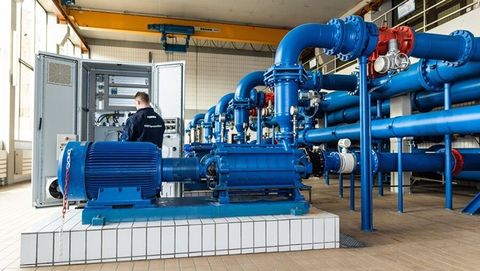
Water cooling systems circulate cooled water through equipment to absorb heat.
Typical applications include:
- Injection molding machines
- CNC machines
- Industrial generators
- Laser cutting equipment
Water transfers heat efficiently, making it suitable for demanding industrial environments.
Industrial Chillers
Industrial chillers produce chilled water or coolant that removes heat from industrial equipment.
Common types include:
- Air-cooled chillers
- Water-cooled chillers
- Process chillers
- Portable chillers
Industrial chillers are widely used where precise temperature control is required.
Cooling Towers
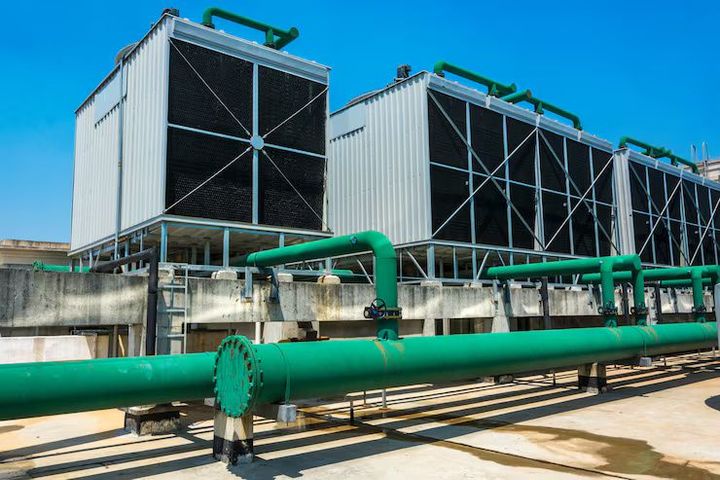
Cooling towers release unwanted heat into the atmosphere by cooling warm circulating water.
They are frequently installed in:
- Power plants
- Large manufacturing facilities
- Chemical plants
- HVAC installations
Cooling towers improve overall energy efficiency in large industrial operations.
Heat Exchangers
Heat exchangers transfer heat between two fluids without mixing them.
Popular designs include:
- Plate heat exchangers
- Shell and tube heat exchangers
- Air-cooled heat exchangers
- Double-pipe heat exchangers
These systems improve thermal management across various industries.
Important Subsections
Process Cooling
Process cooling maintains specific temperatures during manufacturing.
Industries requiring process cooling include:
- Plastic manufacturing
- Food production
- Pharmaceutical manufacturing
- Electronics production
Consistent temperatures improve product quality.
Equipment Cooling
Heavy industrial machinery generates significant heat.
Equipment cooling helps protect:
- Hydraulic systems
- Compressors
- Industrial motors
- Pumps
- Production machinery
Maintaining proper temperatures extends equipment lifespan.
Data Center Cooling
Data centers contain servers that generate continuous heat.
Cooling systems maintain stable operating temperatures to improve equipment reliability and prevent overheating.
Refrigeration-Based Cooling
Some industries require refrigeration systems capable of maintaining low temperatures for industrial processing or storage environments.
Examples include:
- Food manufacturing
- Beverage production
- Cold storage facilities
How It Works
Industrial cooling systems follow a straightforward process.
Step 1: Heat Generation
Industrial machinery, electrical equipment, and manufacturing processes produce heat during operation.
Sources include:
- Electric motors
- Hydraulic equipment
- Compressors
- Production machinery
- Electronic systems
Step 2: Heat Absorption
A cooling medium absorbs the generated heat.
Depending on the system, the medium may be:
- Water
- Air
- Refrigerant
- Cooling fluid
Step 3: Heat Transfer
The absorbed heat moves through components such as:
- Heat exchangers
- Cooling coils
- Chillers
- Cooling towers
Heat transfers away from production equipment.
Step 4: Heat Dissipation
The unwanted heat is released into the surrounding environment.
Cooling towers release heat through evaporation, while air-cooled systems use fans to remove heat.
Step 5: Continuous Circulation
The cooling medium returns to the equipment and repeats the process continuously.
This ongoing circulation maintains stable operating temperatures.
Benefits and Advantages
Industrial cooling systems provide numerous operational advantages.
Improved Equipment Reliability
Maintaining proper operating temperatures reduces stress on industrial machinery.
Reliable temperature control supports consistent performance.
Higher Production Quality
Many manufacturing processes require stable temperatures.
Proper cooling helps maintain product consistency and production accuracy.
Greater Energy Efficiency
Efficient thermal management reduces unnecessary heat buildup and supports optimized equipment performance.
Longer Equipment Lifespan
Excessive heat accelerates wear on components.
Cooling systems help preserve motors, pumps, compressors, and electrical equipment.
Better Workplace Safety
Lower equipment temperatures reduce the risk of overheating and improve overall workplace conditions.
Continuous Industrial Operation
Stable cooling minimizes unexpected shutdowns caused by excessive heat.
This supports uninterrupted production.
Real-World Examples or Applications
Industrial cooling systems support many sectors.
Manufacturing Plants
Factories use cooling systems for:
- CNC machining
- Injection molding
- Metal processing
- Packaging equipment
Temperature stability improves manufacturing precision.
Food Processing Facilities
Food production depends on controlled temperatures throughout processing and storage.
Cooling systems help maintain food quality.
Chemical Industries
Chemical reactions often require carefully controlled temperatures.
Industrial cooling helps maintain safe operating conditions.
Data Centers
Servers generate heat continuously.
Advanced cooling solutions help protect networking equipment and computing infrastructure.
Power Generation
Power plants use cooling towers, condensers, and heat exchangers to remove heat generated during electricity production.
Important Factors to Understand
Several factors influence industrial cooling performance.
Cooling Capacity
Each application requires sufficient cooling capacity based on heat generation.
Proper system sizing supports efficient operation.
Environmental Conditions
Ambient temperature, humidity, and airflow affect cooling efficiency.
These conditions should be considered during system planning.
Water Quality
Water-cooled systems perform better when circulating water remains clean.
Mineral deposits and contamination may reduce efficiency.
Preventive Maintenance
Routine inspection helps identify:
- Leaks
- Pump wear
- Blocked filters
- Fan performance
- Heat exchanger cleanliness
Regular maintenance supports reliable operation.
Energy Consumption
Modern cooling equipment focuses on reducing electricity usage while maintaining effective thermal control.
Energy-efficient cooling solutions help improve overall facility performance.
Future Trends and Industry Insights
Industrial cooling technology continues advancing rapidly.
Smart Cooling Systems
Modern cooling equipment includes intelligent monitoring that automatically adjusts operating conditions based on temperature demands.
Artificial Intelligence Monitoring
Artificial intelligence analyzes temperature patterns and predicts potential cooling issues before equipment overheats.
Predictive monitoring supports proactive maintenance.
Internet of Things Integration
Connected sensors continuously monitor:
- Temperature
- Pressure
- Flow rate
- Pump operation
- Cooling efficiency
Real-time monitoring improves system performance.
Sustainable Cooling Technologies
Industries increasingly focus on reducing environmental impact through improved thermal management and energy-efficient cooling equipment.
Modern designs emphasize reduced water usage and improved efficiency.
Advanced Heat Recovery
Some industrial facilities recover excess heat generated during cooling and redirect it for building heating or other manufacturing processes.
This improves overall energy utilization.
Conclusion
Industrial cooling systems are fundamental to modern manufacturing, energy production, food processing, chemical industries, and data centers. By removing excess heat, these systems help maintain equipment reliability, improve production quality, and support efficient industrial operations.
From industrial chillers and cooling towers to heat exchangers and process cooling equipment, each solution addresses specific thermal management requirements. Selecting the appropriate cooling technology depends on operational conditions, cooling capacity, and environmental factors.
As industries continue adopting smart monitoring, artificial intelligence, connected sensors, and energy-efficient cooling technologies, industrial cooling systems will become even more effective in supporting safe, reliable, and sustainable industrial operations.