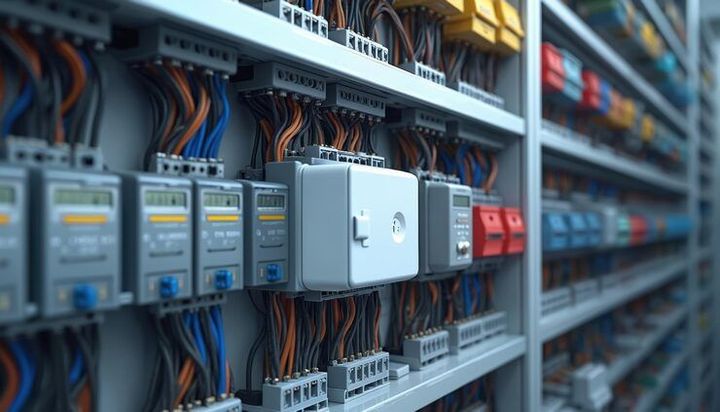
Industrial Electrical Components Guide for Understanding Essential Parts and Their Functions
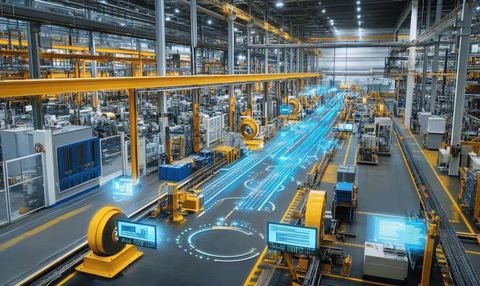
Modern industries depend on electrical systems to power machinery, control manufacturing processes, and support automation technologies.
Whether operating a production line, managing industrial equipment, or controlling complex manufacturing systems, electrical components play a critical role in ensuring reliable and efficient operations.
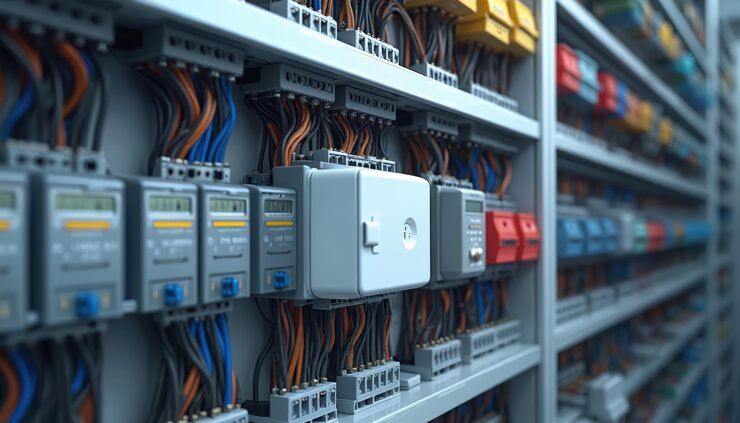
Many industrial facilities use hundreds of interconnected electrical devices that work together to distribute power, monitor conditions, protect equipment, and maintain operational stability. While large machines often receive the most attention, the electrical components inside these systems are equally important because they enable safe and controlled performance.
What really matters is not simply supplying electrical power. The ability to control, distribute, and protect that power efficiently often determines the reliability and productivity of an industrial operation.
This guide explores the basics of industrial electrical components, explains their functions, examines common applications, and highlights their importance within modern industrial and manufacturing environments.
Understanding Industrial Electrical Components
Industrial electrical components are devices and parts used to control, distribute, regulate, monitor, and protect electrical systems within industrial environments.
These components support everything from simple machine operations to highly automated production processes. Some devices manage electrical flow, while others provide protection against faults or assist with system monitoring and control.
This matters because industrial equipment often operates under demanding conditions where reliability and safety are essential.
A practical example is a manufacturing facility where electrical components help coordinate machine operations while ensuring consistent power delivery throughout the production process.
Why Electrical Components Are Important in Industrial Systems
Industrial operations rely on stable electrical systems to maintain productivity and operational efficiency.
Electrical components help manage power distribution, support automation, and protect equipment from electrical disturbances. Without these devices, machinery performance could become unpredictable, leading to operational interruptions and reduced efficiency.
The real difference appears when facilities integrate electrical components into comprehensive control systems that improve monitoring, reliability, and operational visibility.
A real-world example is an automated packaging line where electrical devices continuously coordinate machine functions to maintain consistent production output.
How Industrial Electrical Components Work Together
Industrial electrical systems function through the interaction of multiple components rather than a single device.
Power distribution equipment delivers electricity to machines and operational systems. Control devices regulate how equipment functions during different production stages. Protection systems monitor electrical conditions and respond to abnormal situations.
This coordinated operation matters because industrial environments require stable and controlled electrical performance.
A practical example is a manufacturing machine where circuit breakers, relays, sensors, and controllers work together to support safe and efficient operation.
Common Categories of Industrial Electrical Components
Industrial facilities utilize various categories of electrical equipment based on operational requirements.
Power Distribution Components
These devices manage the flow of electrical energy throughout industrial systems and ensure equipment receives the required power supply.
Control Components
Control devices regulate machine operations and help automate manufacturing processes.
Protection Components
Protection equipment helps prevent damage caused by electrical faults, overloads, or abnormal operating conditions.
Monitoring Components
Monitoring systems collect operational information and provide insights into equipment performance and electrical conditions.
Each category contributes to system reliability and operational efficiency.
Essential Industrial Electrical Components and Their Functions
Several electrical components are commonly found in industrial facilities.
Circuit breakers protect equipment by interrupting electrical flow when abnormal conditions occur. This helps prevent equipment damage and supports system safety.
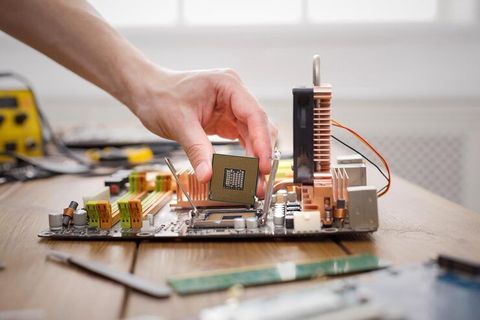
Contactors are used to control electrical circuits and frequently support motor operations in manufacturing environments.
Relays act as switching devices that help automate control functions and coordinate electrical operations.
Sensors monitor conditions such as temperature, pressure, position, and proximity, providing valuable operational information.
Common industrial electrical components include:
- Circuit breakers
- Contactors
- Relays
- Sensors
Together, these devices help maintain safe and reliable industrial operations.
The Role of Electrical Components in Automation
Automation has become a major focus in modern manufacturing and industrial operations.
Industrial electrical components serve as the foundation of automation systems by enabling communication, monitoring, and control functions. Automated equipment relies on electrical devices to process information and execute operational tasks accurately.
This matters because automation improves consistency while supporting greater operational efficiency.
A practical example is a robotic production cell where sensors and controllers continuously exchange information to coordinate precise movements and production activities.
The real difference appears when electrical components help transform traditional manufacturing systems into intelligent and responsive operational environments.
Safety Considerations in Industrial Electrical Systems
Safety remains a critical aspect of industrial electrical operations.
Electrical components are designed not only to support equipment performance but also to help reduce operational risks. Protective devices monitor system conditions and respond when faults or abnormal situations occur.
Regular inspection and maintenance are important because component performance directly affects system safety and reliability.
A real-world example is an industrial control panel where protective devices help isolate faults before they affect connected equipment.
Understanding safety functions helps organizations maintain secure and efficient operations.
Comparing Key Electrical Components
| Component | Primary Function | Common Industrial Role |
|---|---|---|
| Circuit Breaker | Fault Protection | Equipment Safety |
| Contactor | Power Switching | Motor Control |
| Relay | Signal Control | Automation Functions |
| Sensor | Condition Monitoring | Process Feedback |
| Controller | System Management | Operational Coordination |
The real difference appears when these components operate together as part of an integrated electrical system.
Decision Guide for Understanding Electrical Components
Selecting or evaluating industrial electrical components depends on several practical considerations.
Application requirements are often the starting point because different systems require different control, protection, and monitoring capabilities.
Operational environments should also be considered since temperature, vibration, moisture, and other factors can influence component performance.
System complexity is another important factor because automated environments typically require more advanced electrical solutions than basic equipment installations.
A practical example is comparing a simple conveyor system with a fully automated manufacturing line. Although both use electrical components, their operational requirements differ significantly.
In many cases, the real difference appears when component capabilities align closely with operational objectives and system requirements.
Real-World Applications Across Industries
Industrial electrical components support a wide range of sectors.
Manufacturing facilities use electrical devices to power equipment and support automated production processes.
Energy industries rely on electrical systems to monitor and control critical infrastructure.
Food processing operations utilize electrical components to maintain efficient production and process control.
Construction material manufacturers depend on reliable electrical systems to support large-scale industrial equipment.
These applications demonstrate the broad importance of electrical components in modern industry.
Future Trends in Industrial Electrical Technology
Industrial electrical systems continue evolving through advances in digital technologies and intelligent automation.
Smart sensors are providing more detailed operational insights that support predictive maintenance strategies.
Industrial communication technologies are improving connectivity between equipment and control systems.
Energy-efficient electrical components are helping organizations improve operational performance while reducing resource consumption.
Artificial intelligence is also beginning to support monitoring, diagnostics, and system optimization.
What really matters is how these innovations enhance reliability, efficiency, and operational visibility within increasingly connected industrial environments.
FAQ
1. What are industrial electrical components?
Industrial electrical components are devices used to distribute, control, monitor, and protect electrical systems in industrial environments.
2. Why are electrical components important in manufacturing?
They help support equipment operation, automation, safety, and reliable power management.
3. What are the most common industrial electrical components?
Circuit breakers, contactors, relays, sensors, and controllers are among the most widely used components.
4. How do electrical components support automation?
They enable monitoring, communication, and control functions that allow automated systems to operate efficiently.
5. What technologies are shaping the future of industrial electrical systems?
Smart sensors, predictive maintenance, intelligent control systems, and artificial intelligence are driving innovation.
Conclusion
Industrial electrical components play a fundamental role in modern manufacturing and industrial operations by supporting power distribution, automation, monitoring, and safety functions. Although these devices often operate behind the scenes, their contribution to equipment performance and operational reliability is significant.
As industries continue adopting intelligent technologies and advanced automation systems, electrical components are becoming more connected, efficient, and capable of supporting complex operational requirements. Understanding their functions provides valuable insight into how modern industrial systems achieve productivity, reliability, and long-term operational success.