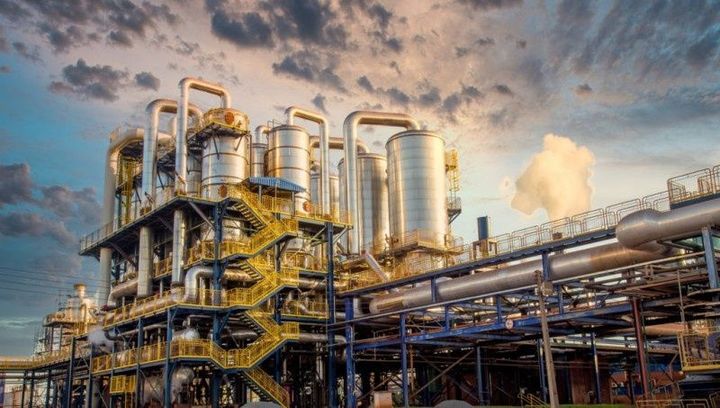
Industrial Filtration Systems: Complete Guide to Filtration Technology and Industrial Applications
Industrial filtration systems play a vital role in maintaining clean liquids, gases, and air within industrial environments.
These systems are designed to remove unwanted particles, contaminants, and impurities that can affect equipment performance, product quality, and operational efficiency.
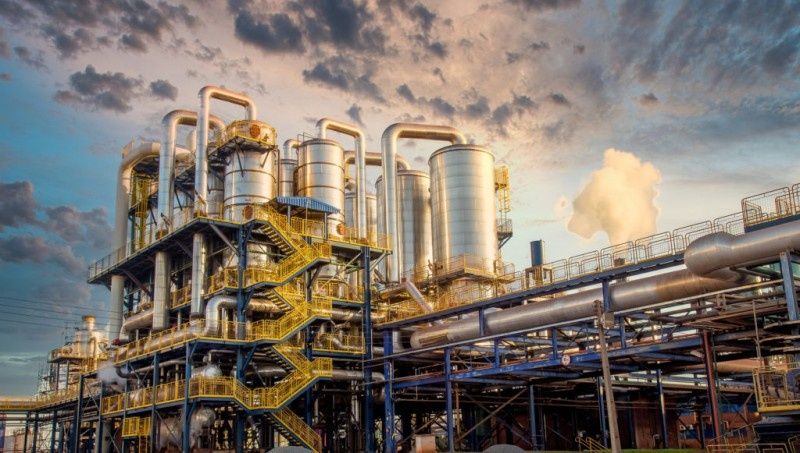
Many industries depend on industrial filtration technology to support manufacturing processes, protect machinery, improve workplace conditions, and meet environmental requirements. From water treatment facilities to chemical processing plants, filtration systems help ensure smooth and reliable operations.
As industries continue to focus on efficiency and sustainability, industrial filtration systems have become an important part of modern production and processing environments.
Understanding the Concept
An industrial filtration system is a process or piece of equipment designed to separate solid particles or contaminants from fluids or gases. The primary goal is to improve purity, protect equipment, and maintain process efficiency.
Filtration occurs when a liquid or gas passes through a filtering medium that captures unwanted materials while allowing the desired substance to continue flowing. Depending on the application, filtration systems can remove dust, dirt, metal particles, microorganisms, chemicals, or other contaminants.
Industrial filtration is commonly used in water treatment, food processing, pharmaceutical production, oil and gas operations, manufacturing facilities, and power generation plants.
Without effective filtration, contaminants can damage equipment, reduce efficiency, and negatively impact product quality.
Key Types or Categories
Industrial filtration systems are available in several forms depending on the materials being filtered and operational requirements.
Liquid Filtration Systems
Liquid filtration systems remove contaminants from water, chemicals, oils, and other fluids.
Common applications include:
- Industrial water treatment
- Process fluid purification
- Chemical manufacturing
- Food and beverage production
Air Filtration Systems
Air filtration systems capture airborne particles and pollutants from industrial environments.
Typical uses include:
- Manufacturing facilities
- Clean rooms
- Processing plants
- Dust collection operations
Gas Filtration Systems
Gas filtration systems remove contaminants from industrial gases before they enter equipment or production processes.
These systems are often used in:
- Energy facilities
- Chemical plants
- Industrial processing operations
Mechanical Filtration Systems
Mechanical filtration relies on physical barriers that trap contaminants as fluids or gases pass through the filtering medium.
Membrane Filtration Systems
Membrane filtration uses specialized membranes with microscopic openings to separate contaminants from liquids.
This method is widely used in advanced water purification and industrial process treatment.
Depth Filtration Systems
Depth filtration captures particles throughout the thickness of the filter media rather than only on the surface.
These systems are effective for handling larger contaminant loads.
Important Filtration Components
Filter Media
Filter media serves as the primary barrier that captures contaminants.
Examples include:
- Synthetic fibers
- Activated carbon
- Metal mesh
- Ceramic materials
- Membrane materials
Housing Unit
The housing protects internal filtration components and directs flow through the system.
Pumps and Flow Equipment
Pumps move liquids through the filtration process while maintaining proper flow rates.
Monitoring Devices
Monitoring equipment helps track system performance and filtration efficiency.
Control Components
Control systems regulate pressure, flow, and operational conditions.
How It Works
Industrial filtration systems generally follow a straightforward process.
Step 1: Contaminated Material Enters the System
A liquid, gas, or air stream containing impurities enters the filtration unit.
Step 2: Flow Through Filter Media
The material passes through the filtration medium designed to capture contaminants.
Step 3: Particle Separation
The filter traps unwanted particles while allowing the desired substance to continue flowing.
Step 4: Clean Output Production
Filtered material exits the system with significantly reduced contamination levels.
Step 5: Contaminant Collection
Captured particles remain within the filter media or collection chamber.
Step 6: Maintenance and Replacement
Filters are periodically cleaned or replaced to maintain optimal performance.
Core Components and Features
Several features determine the effectiveness of an industrial filtration system.
Filtration Efficiency
- Measures contaminant removal capability
- Supports product quality improvement
- Helps maintain process consistency
Flow Capacity
- Determines how much material can pass through the system
- Influences operational productivity
Pressure Management
- Maintains stable operating conditions
- Prevents excessive system stress
Contaminant Retention
- Captures unwanted particles effectively
- Protects downstream equipment
Durability
- Supports long-term industrial operation
- Reduces equipment downtime
Scalability
- Allows expansion as operational requirements grow
Benefits and Advantages
Industrial filtration systems provide numerous operational benefits.
Improved Equipment Protection
Filtration prevents contaminants from reaching sensitive machinery and processing equipment.
Enhanced Product Quality
Removing impurities helps maintain consistent production standards.
Increased Operational Efficiency
Clean systems often perform more efficiently and experience fewer disruptions.
Reduced Maintenance Requirements
Proper filtration minimizes wear and contamination-related issues.
Better Environmental Performance
Filtration systems help control emissions and improve resource management.
Longer Equipment Lifespan
Cleaner operating conditions contribute to extended equipment durability.
Improved Workplace Conditions
Air filtration systems help reduce airborne particles and improve workplace cleanliness.
Real-World Examples and Applications
Industrial filtration systems support a wide range of industries.
Water Treatment Facilities
Water treatment plants use advanced filtration systems to remove contaminants from industrial and municipal water supplies.
Manufacturing Operations
Manufacturing facilities rely on filtration technology to maintain clean production environments and protect machinery.
Food and Beverage Processing
Filtration helps maintain product quality by removing unwanted particles and impurities.
Pharmaceutical Production
Pharmaceutical facilities require highly controlled filtration processes to support product purity.
Oil and Gas Industry
Filtration systems help separate contaminants from fuels, lubricants, and processing fluids.
Power Generation Facilities
Power plants use filtration technology to protect turbines, boilers, and cooling systems.
Chemical Processing Plants
Chemical manufacturers depend on filtration systems to maintain process quality and operational reliability.
Important Factors to Understand
Several considerations influence filtration system selection and performance.
Type of Contaminant
Different contaminants require different filtration approaches.
Flow Requirements
System capacity must align with operational demand.
Filtration Precision
Applications requiring high purity often need advanced filtration methods.
Operating Conditions
Temperature, pressure, and environmental conditions affect filtration performance.
Maintenance Requirements
Regular maintenance helps ensure consistent operation.
Material Compatibility
Filter materials should be compatible with the substances being processed.
Common Challenges and Solutions
Industrial filtration systems may encounter operational challenges.
Challenge: Filter Clogging
Accumulated contaminants can reduce flow rates.
Solution:
- Scheduled maintenance
- Proper filter sizing
- Routine inspections
Challenge: Reduced Filtration Efficiency
Worn or damaged filters may allow contaminants to pass through.
Solution:
- Performance monitoring
- Timely filter replacement
- Preventive maintenance programs
Challenge: Pressure Drops
Excessive pressure loss can affect productivity.
Solution:
- Optimized system design
- Regular cleaning
- Proper flow management
Challenge: High Contaminant Loads
Heavy contamination can shorten filter life.
Solution:
- Multi-stage filtration
- Pre-filtration systems
- Improved contaminant management
Challenge: Material Compatibility Issues
Certain substances may damage filter materials.
Solution:
- Appropriate material selection
- Operational testing
- Process evaluation
Future Trends and Industry Insights
Industrial filtration technology continues to evolve as industries seek greater efficiency and sustainability.
Smart Filtration Systems
Advanced monitoring technologies provide real-time performance data and predictive maintenance insights.
Energy-Efficient Designs
Modern filtration equipment is increasingly designed to reduce energy consumption while maintaining performance.
Advanced Membrane Technology
Improved membrane materials are enhancing filtration precision and operational efficiency.
Sustainable Filtration Solutions
Industries are exploring environmentally responsible filtration materials and waste reduction strategies.
Industrial Automation Integration
Automated monitoring and control systems are improving filtration management and process reliability.
Nanotechnology Applications
Researchers continue to develop highly advanced filtration materials capable of capturing extremely small contaminants.
Enhanced Water Treatment Technologies
Growing demand for water conservation is driving innovation in industrial water filtration systems.
Key Takeaways
- Industrial filtration systems remove contaminants from liquids, gases, and air.
- Filtration technology helps protect equipment and improve product quality.
- Common filtration categories include liquid, air, gas, membrane, and mechanical filtration.
- Effective filtration supports operational efficiency and environmental performance.
- Industries such as manufacturing, energy, pharmaceuticals, and water treatment rely heavily on filtration systems.
- Regular maintenance is essential for maintaining filtration performance.
- Smart monitoring technologies are transforming filtration management.
- Future developments focus on efficiency, sustainability, and advanced filtration materials.
Frequently Asked Questions (FAQ)
What is an industrial filtration system?
An industrial filtration system is equipment designed to remove contaminants from liquids, gases, or air used in industrial processes.
Why is industrial filtration important?
It helps improve product quality, protect equipment, and maintain efficient operations.
What industries use filtration systems?
Manufacturing, water treatment, pharmaceuticals, food processing, energy production, and chemical processing industries commonly use filtration systems.
What is membrane filtration?
Membrane filtration uses specialized membranes to separate contaminants from liquids based on particle size.
How often should industrial filters be maintained?
Maintenance schedules depend on operating conditions, contaminant levels, and system design.
What are the main types of industrial filtration?
Major types include liquid filtration, air filtration, gas filtration, membrane filtration, and mechanical filtration.
How does filtration improve equipment life?
By removing contaminants, filtration reduces wear and helps maintain cleaner operating conditions.
What trends are shaping filtration technology?
Smart monitoring, automation integration, advanced membrane materials, and sustainable filtration solutions are among the leading trends.
Conclusion
Industrial filtration systems are essential components of modern industrial operations. They help remove contaminants, protect equipment, improve product quality, and support efficient processing across a wide range of industries.
From water treatment and manufacturing to energy production and pharmaceutical processing, filtration technology contributes to operational reliability and environmental responsibility. Understanding how these systems work, their various types, and their practical applications can help organizations optimize performance and maintain cleaner, more efficient industrial processes.
As filtration technologies continue to advance, innovations in smart monitoring, membrane materials, and sustainable design are expected to further enhance the role of industrial filtration systems in modern industry.