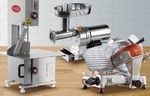
Modern industries rely heavily on machinery to automate tasks, improve production efficiency, and maintain consistent quality. From automotive assembly lines to semiconductor fabrication plants, machinery components form the backbone of production systems.
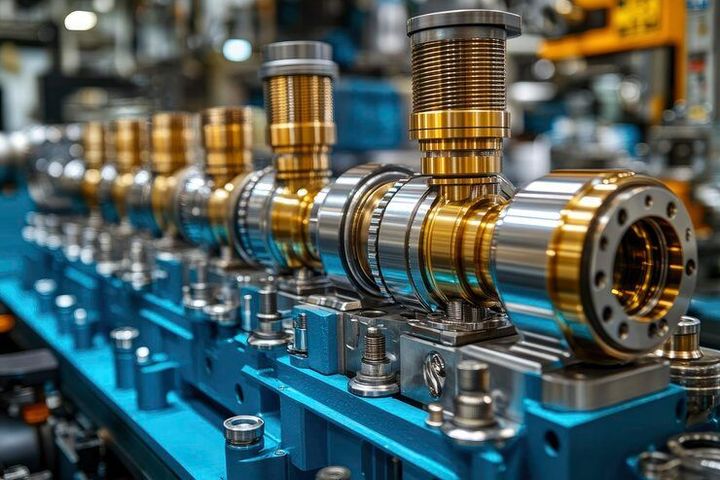
Industrial machinery components are essential building blocks that ensure machines operate smoothly and efficiently. They are designed to handle demanding conditions such as high loads, continuous operation, and high temperatures.
Common Types of Machinery Components
Industrial systems use a wide range of components, each serving a specific purpose. These parts work together to ensure proper machine functionality.
-
Bearings
-
Gears
-
Shafts
-
Motors
-
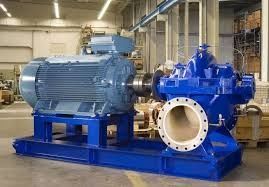
Pumps
-
Valves
-
Sensors
-
Controllers
-
Hydraulic cylinders
Each component has a defined role. For example, gears transfer power, bearings reduce friction, and sensors provide data for automation systems.
Why Industrial Machinery Components Matter
Industrial machinery components play a critical role in maintaining efficiency, safety, and productivity. They ensure machines perform reliably even in demanding environments.
As industries evolve, the demand for precision and automation continues to grow. High-quality components help meet these requirements and support modern manufacturing systems.
Key Industries That Depend on Machinery Components
Many sectors rely heavily on advanced machinery components for daily operations.
-
Automotive manufacturing
-
Energy production and power generation
-
Oil and gas processing
-
Electronics manufacturing
-
Food processing
-
Pharmaceutical production
Problems Solved by Machinery Components
Well-designed machinery components address several critical operational challenges.
-
Reduce friction and mechanical wear
-
Maintain precise motion control
-
Support heavy loads
-
Enable automation
-
Improve machine reliability and uptime
These benefits are essential for achieving consistent production and minimizing downtime in industrial environments.
Recent Developments and Trends (2024–2025)
The industrial sector has seen rapid advancements in recent years. Innovations are focused on improving efficiency, intelligence, and sustainability in machinery systems.
One major trend is the integration of artificial intelligence and machine learning into monitoring systems. These technologies help analyze data from machinery components and detect early signs of failure.
Key Trends in 2025
-
Expansion of smart sensors
-
Increased adoption of predictive maintenance
-
Growth of digital twin technology
-
Use of advanced materials (composites, ceramics)
-
Rise of additive manufacturing
-
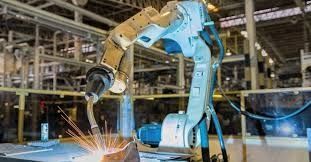
Expansion of robotics in production lines
Digital twin technology allows engineers to simulate machine performance virtually. This improves design accuracy and reduces production risks.
Industrial Innovation Trends Table
| Industrial Innovation Area | Adoption Growth |
|---|
| Smart Sensors | High |
| Predictive Maintenance | High |
| Robotics Integration | Moderate |
| Digital Twin Technology | High |
| Energy Efficient Motors | Moderate |
These trends highlight the shift toward smarter and more connected industrial systems.
Regulatory and Policy Considerations
Industrial machinery components must comply with safety, quality, and environmental standards. These regulations ensure safe and reliable machine operation.
Compliance is essential for maintaining workplace safety and reducing environmental impact. Regulations also encourage innovation in sustainable manufacturing.
Key Regulatory Standards
-
ISO 9001 (Quality Management)
-
ISO 13849 (Machinery Safety)
-
IEC electrical standards
-
OSHA workplace safety regulations
-
CE marking requirements
Governments also promote digital manufacturing through national initiatives. These programs support automation and advanced industrial technologies.
Tools and Technical Resources
Engineers use various tools to design, analyze, and maintain machinery components. These tools improve efficiency and reduce errors during production.
Common Engineering Tools
-
CAD (Computer-Aided Design)
-
CAM (Computer-Aided Manufacturing)
-
FEA simulation tools
-
Predictive maintenance platforms
-
Industrial IoT dashboards
These tools allow engineers to simulate performance and optimize component designs before manufacturing.
Machinery Component Functions Table
| Component Type | Main Function | Typical Use |
|---|
| Bearings | Reduce friction | Motors and rotating equipment |
| Gears | Transfer mechanical power | Gearboxes and drive systems |
| Shafts | Support rotating motion | Turbines and engines |
| Valves | Control fluid flow | Hydraulic and pneumatic systems |
| Sensors | Monitor system conditions | Automated manufacturing |
Frequently Asked Questions
What are industrial machinery components?
Industrial machinery components are individual parts used to build machines for manufacturing and industrial operations. They include mechanical, electrical, and control elements.
Why are they important?
They ensure machines operate efficiently, maintain precision, and perform reliably under demanding conditions.
What industries use them?
Industries such as automotive, aerospace, electronics, energy, and industrial automation rely heavily on these components.
What is predictive maintenance?
Predictive maintenance uses data from sensors to identify potential failures before they occur. This helps reduce downtime and maintenance costs.
How do smart sensors help?
Smart sensors monitor conditions like temperature and vibration. They provide real-time data that improves performance and prevents failures.
Conclusion
Industrial machinery components are fundamental to modern manufacturing and industrial systems. They enable machines to perform efficiently, safely, and reliably across various industries.
With advancements in smart technologies, these components are becoming more intelligent and interconnected. Innovations such as predictive maintenance, digital twins, and robotics are shaping the future of industrial operations.
Understanding these components helps engineers and professionals stay aligned with evolving industry trends and technological advancements.