Learn About Fly Ash Brick Machines and Brick Production
Fly Ash Bricks are widely used in modern construction because they are made from industrial by-products and require less natural soil compared to traditional clay bricks. These bricks are commonly produced using a Brick Machine designed to compress materials such as fly ash, cement, sand, and water into solid blocks. Over the past decade, Fly Ash Machine technology has improved significantly, helping manufacturers produce uniform and durable bricks with reduced material waste.
Brick Making using fly ash has become important in regions where thermal power plants generate large amounts of ash residue. The use of Hydraulic Brick systems and Automatic Brick equipment has increased because these systems improve consistency, reduce manual handling, and support large-scale production. This article explains the background, importance, recent developments, policies, and practical tools related to Ash Brick production.
Context
What Are Fly Ash Bricks?
Fly Ash Bricks are construction blocks manufactured using fly ash, cement, gypsum, sand, and water. Fly ash is a fine powder generated during coal combustion in thermal power plants. Instead of disposing of this material in landfills, industries use it in Brick Making to create durable building materials.
These bricks are commonly used for:
- Residential buildings
- Industrial structures
- Boundary walls
- Pavements and partitions
Compared to traditional clay bricks, Ash Brick products generally have smoother surfaces and more consistent dimensions.
What Is a Brick Machine?
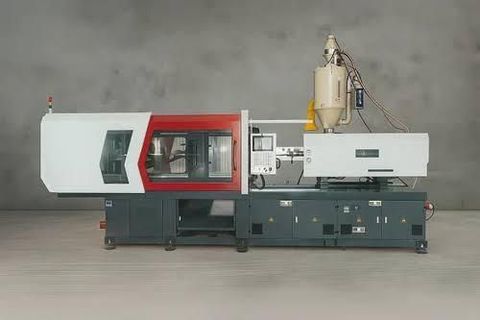
A Brick Machine is equipment used to shape and compress raw materials into bricks. Depending on the production scale, the machine may operate manually, semi-automatically, or fully automatically.
Common machine types include:
| Machine Type | Main Feature | Production Level |
|---|---|---|
| Manual Brick Machine | Operated with manual pressure | Small-scale |
| Semi-Automatic Machine | Partial mechanical operation | Medium-scale |
| Hydraulic Brick Machine | Uses hydraulic pressure for compression | High-density bricks |
| Automatic Brick Machine | Automated feeding and pressing | Large-scale production |
Hydraulic Brick systems are especially common because hydraulic pressure creates stronger and more uniform bricks.
How Brick Making Works
The Brick Making process usually follows several stages:
- Raw material mixing
- Material feeding into the machine
- Compression and shaping
- Drying or curing
- Quality inspection
Automatic Brick systems may include conveyors, mixers, and stacking units to reduce manual handling.
Importance
Environmental Importance
Fly Ash Bricks help reduce industrial waste by reusing fly ash generated from thermal power plants. This supports waste management efforts and reduces dependence on clay extraction from agricultural land.
Benefits include:
- Reduced soil erosion
- Lower landfill waste
- Reduced use of natural clay
- Better material utilization
Construction Benefits
Fly Ash Bricks are known for their uniform shape and smooth finish. These characteristics help reduce mortar use during wall construction.
Additional advantages include:
- Improved dimensional accuracy
- Lower water absorption
- Reduced cracking
- Consistent compressive strength
Hydraulic Brick production systems also help maintain consistent brick density.
Industrial Importance
The Fly Ash Machine industry supports infrastructure development and modern building practices. Many medium and large construction projects prefer machine-made bricks because they maintain consistent dimensions and quality standards.
Automatic Brick production systems also help improve manufacturing efficiency in high-volume environments.
Recent Updates
Growth of Automation
From 2024 to 2026, more manufacturers have shifted toward Automatic Brick systems with programmable controls and automated material feeding. These systems help reduce production delays and improve consistency.
Digital monitoring features are becoming more common in newer Fly Ash Machine models.
Energy-Efficient Equipment
Recent machine designs focus on reducing electricity consumption during compression and mixing operations. Some modern Hydraulic Brick systems use variable-speed motors to improve energy efficiency.
Manufacturers are also exploring alternative curing methods that require less water.
Increased Use in Infrastructure Projects
Many public infrastructure projects now include Fly Ash Bricks in construction specifications due to environmental concerns and material standardization.
This trend has increased awareness of machine-based Brick Making methods in both urban and semi-urban regions.
Improved Material Blending
Recent developments in material mixing technology allow better blending of fly ash, cement, and aggregates. Improved mixing can increase brick strength and reduce production defects.
Advanced mixing units are increasingly integrated into Automatic Brick production lines.
Laws or Policies
Environmental Regulations
Many countries encourage the use of fly ash in construction materials to reduce industrial waste accumulation. Environmental agencies often publish guidelines for safe handling and utilization of fly ash.
In India, thermal power plants are encouraged to support fly ash utilization programs for construction applications.
Quality Standards
Fly Ash Bricks are generally required to meet specific compressive strength and water absorption standards. Quality testing may include:
- Compressive strength testing
- Water absorption testing
- Dimensional tolerance checks
These standards help ensure structural reliability in construction.
Factory and Safety Rules
Brick production facilities may be subject to:
| Regulation Area | Purpose |
| Dust Control | Reduce airborne particles |
| Worker Safety | Improve workplace protection |
| Noise Management | Limit industrial noise exposure |
| Waste Handling | Ensure proper disposal practices |
Operators of Hydraulic Brick and Automatic Brick systems are usually required to follow machine safety procedures and equipment maintenance guidelines.
Sustainable Construction Policies
Some regional authorities encourage sustainable building materials in public projects. Fly Ash Bricks are often included in environmental building recommendations because they reduce dependence on traditional fired clay bricks.
Tools and Resources
Useful Platforms
Several organizations and technical institutions publish information related to Fly Ash Bricks and Brick Making methods.
| Resource Type | Purpose |
| Government Construction Portals | Construction guidelines and policies |
| Industrial Standards Websites | Material testing specifications |
| Environmental Agencies | Fly ash handling information |
| Engineering Institutes | Technical research and studies |
Common Production Tools
Brick production facilities commonly use:
- Material mixers
- Hydraulic pressing systems
- Conveyor units
- Curing chambers
- Compression testing equipment
Automatic Brick systems may also include digital control panels for monitoring pressure and output levels.
Calculation and Planning Tools
Production planning often involves:
| Tool | Function |
| Material Ratio Calculator | Estimates mix proportions |
| Production Capacity Calculator | Measures daily output |
| Moisture Testing Tool | Monitors water content |
| Strength Testing Device | Evaluates brick durability |
These tools help maintain consistency during Brick Making operations.
FAQs
What materials are used in Fly Ash Bricks?
Fly Ash Bricks are commonly made from fly ash, cement, sand, gypsum, and water. The exact mixture may vary depending on production requirements.
What is a Hydraulic Brick Machine?
A Hydraulic Brick Machine uses hydraulic pressure to compress raw materials into dense and uniform bricks. This method helps improve strength consistency.
How does an Automatic Brick system work?
An Automatic Brick system automates tasks such as material feeding, pressing, and stacking. Automation helps improve production efficiency and reduce manual handling.
Are Fly Ash Bricks environmentally beneficial?
Yes. Fly Ash Bricks help reuse industrial waste and reduce dependence on natural clay resources. They also support waste management efforts.
Why are machine-made bricks widely used?
Machine-made bricks usually have consistent size, improved surface finish, and predictable strength characteristics, making them suitable for many construction applications.
Conclusion
Fly Ash Bricks have become an important part of modern construction because they support efficient material use and reduce industrial waste. Advances in Brick Machine technology, including Hydraulic Brick and Automatic Brick systems, have improved production consistency and manufacturing efficiency. Recent developments from 2024 to 2026 show increased interest in automation, energy-efficient equipment, and sustainable construction practices. As environmental regulations continue to evolve, Fly Ash Machine technology is expected to remain relevant in infrastructure and building material production.