Wrapping Machines Guide: Types, Working Principles and Industrial Uses
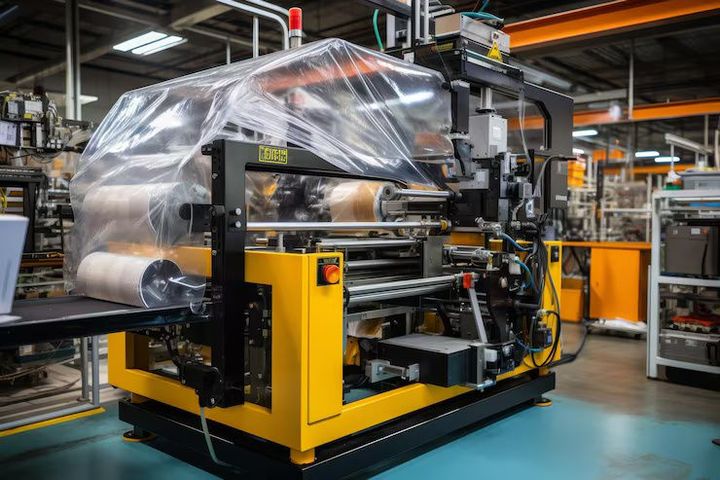
Wrapping machines are industrial systems designed to cover products, packages, pallets, or grouped items with materials such as plastic film, paper, foil, or other suitable wrapping materials. These machines are widely used in manufacturing, packaging, logistics, food processing, pharmaceuticals, consumer goods, and many other industries.
The basic purpose of a wrapping machine is to create a protective layer around an item or group of items. This layer can help reduce exposure to dust, moisture, handling damage, and other environmental factors. Depending on the machine design, wrapping may also help keep products grouped together during storage and transportation.
In earlier industrial operations, wrapping was often performed manually. As production volumes increased, manufacturers began using mechanical and automated systems to improve consistency and reduce repetitive work. Modern wrapping machines can perform several stages, including product positioning, film feeding, wrapping, cutting, sealing, and, in some systems, quality inspection.
Different industries require different wrapping methods. A food manufacturer may use a flow wrapping machine for individual products, while a warehouse may use a pallet wrapping machine for large loads. A pharmaceutical facility may require controlled packaging conditions and precise material handling.
Common types of wrapping machines include:
- Stretch wrapping machines
- Shrink wrapping machines
- Flow wrapping machines
- Horizontal wrapping machines
- Vertical wrapping machines
- Pallet wrapping machines
- Overwrapping machines
- Automatic and semi-automatic wrapping systems
The selection of a machine depends on the product shape, dimensions, material requirements, production volume, packaging design, and operational environment.
Why Wrapping Machines Matter Today
Wrapping machines play an important role in modern industrial packaging because businesses need consistent, organized, and efficient product handling. As supply chains become more complex, packaging systems must support product protection while also meeting operational and regulatory requirements.
One important benefit is consistency. A machine can apply wrapping material using repeatable settings. This may help create more uniform packages compared with highly manual processes.
Wrapping machines can also help reduce repetitive physical tasks. In industrial environments, repeated wrapping activities may require frequent movement, lifting, turning, or handling. Mechanized systems can reduce the amount of repetitive work involved in these operations.
Another important area is product protection. A suitable wrapping method may help protect products from dust, moisture, movement, or surface contact during storage and transportation. The level of protection depends on the wrapping material, machine settings, product characteristics, and surrounding conditions.
Wrapping systems also support different production environments. Small and medium operations may use semi-automatic systems, while high-volume production lines may integrate automatic wrapping equipment with conveyors, filling systems, labeling equipment, and inspection technologies.
The topic affects several groups, including:
- Manufacturers and packaging teams
- Warehouse and distribution operations
- Food and beverage producers
- Pharmaceutical and healthcare product manufacturers
- Consumer goods companies
- Logistics and transportation teams
- Industrial equipment planners
- Packaging engineers and technicians
Wrapping machines can help address several common operational challenges. These include inconsistent wrapping, material handling difficulties, product movement during transportation, repetitive manual activities, and the need for better integration between packaging stages.
However, machine selection should be based on actual operational requirements. A machine that works well for one product may not be suitable for another. Product dimensions, packaging materials, environmental conditions, and production targets should all be considered before implementation.
Recent Trends and Developments in Wrapping Machines
The wrapping machine industry has continued to develop as manufacturers focus on automation, data collection, energy management, and material efficiency. Developments reported across the packaging sector during 2025 and into 2026 have continued to highlight the importance of connected equipment and more responsible material use.
One major trend is the growth of automation. Modern systems increasingly use sensors, programmable controls, automated film adjustment, and digital monitoring. These technologies can help operators monitor machine conditions and identify process changes more quickly.
Another important trend is the use of data. Industrial packaging equipment is increasingly connected to production monitoring systems. Information such as machine uptime, cycle performance, material usage, and maintenance indicators may be collected for operational analysis.
Artificial intelligence and advanced software are also influencing industrial automation. In some applications, intelligent systems can help identify irregular machine behavior or support predictive maintenance programs. These technologies are still developing, and their usefulness depends on system design, data quality, and the specific production environment.
Material efficiency has also become an important area of attention. Packaging manufacturers and industrial users are exploring thinner films, recyclable materials, improved sealing methods, and designs that reduce unnecessary material use. The correct material depends on product protection requirements and local environmental regulations.
Energy efficiency is another ongoing focus. Manufacturers are examining heating systems, motors, controls, and operating cycles to reduce unnecessary energy consumption. In shrink wrapping systems, for example, heating requirements may influence the overall energy profile of the equipment.
During 2025 and 2026, digital integration has remained a major direction across industrial machinery. Wrapping machines may increasingly be connected with warehouse systems, production management platforms, and broader industrial automation networks.
These developments do not mean that every facility needs the latest technology. The most suitable system depends on production requirements, available infrastructure, maintenance capabilities, and regulatory expectations.
Laws, Regulations, and Policy Considerations
Wrapping machines are affected by several categories of rules and standards. The exact requirements vary by country, industry, machine design, and packaging material.
Workplace safety is a major consideration. Industrial equipment may need safeguards around moving parts, emergency stop controls, electrical protection, operator instructions, and risk assessment procedures. Employers are generally responsible for maintaining a safe working environment according to applicable national regulations.
Packaging materials may also be affected by environmental policies. Many countries are introducing or strengthening rules related to packaging waste, recycling, material reduction, and extended producer responsibility. These policies can influence the materials selected for wrapping applications.
Food and pharmaceutical packaging may involve additional requirements. Materials that come into contact with regulated products may need to meet specific safety, hygiene, traceability, or quality requirements.
Machine manufacturers and users may also refer to recognized technical standards for machinery safety, electrical systems, packaging operations, and risk management. Compliance requirements depend on the country and application.
Organizations should consider:
- National machinery safety regulations
- Workplace health and safety requirements
- Packaging waste and recycling rules
- Environmental policies
- Product-specific packaging regulations
- Electrical and equipment safety requirements
- Industry-specific quality frameworks
Regulations can change over time. Businesses should confirm current requirements with relevant government departments, qualified safety professionals, or authorized regulatory bodies in the applicable country.
Tools and Resources for Understanding Wrapping Machines
Several general tools can help users understand, plan, and manage wrapping machine operations.
Packaging material calculators can help estimate the amount of film or other wrapping material needed for specific product sizes and wrapping patterns.
Production planning templates can help organize product dimensions, machine settings, wrapping cycles, material requirements, and maintenance schedules.
Energy monitoring tools may help track electricity consumption and identify changes in equipment performance.
Maintenance checklists can help teams review moving components, film systems, sensors, heating elements, control panels, and safety devices.
Packaging design software can help users examine product dimensions and packaging layouts before equipment is configured.
Machine safety assessment templates can support the identification of possible hazards and operational risks.
Learning resources such as technical manuals, industrial training materials, packaging engineering guides, and government safety publications can improve general knowledge.
When using digital tools, users should verify the information and make sure that calculations and recommendations match the actual machine model and operating environment.
Frequently Asked Questions About Wrapping Machines
What is a wrapping machine used for?
A wrapping machine is used to cover products, packages, or grouped loads with a suitable wrapping material. The purpose may include product protection, load stability, grouping, or preparation for storage and transportation.
What are the main types of wrapping machines?
Common types include stretch wrapping machines, shrink wrapping machines, flow wrapping machines, horizontal wrapping machines, vertical wrapping machines, pallet wrapping machines, and overwrapping systems.
How does a wrapping machine work?
The basic process usually involves positioning the product, feeding the wrapping material, applying the material around the product, and cutting or sealing it when required. The exact process depends on the machine design and wrapping method.
What factors influence machine selection?
Important factors include product size and shape, wrapping material, production volume, desired automation level, available space, environmental conditions, safety requirements, and integration with other equipment.
Are wrapping machines suitable for different industries?
Yes. Wrapping systems are used in areas such as food processing, consumer products, pharmaceuticals, manufacturing, logistics, warehousing, agriculture, and other industrial applications. The machine design and wrapping material must match the specific application.
Conclusion
Wrapping machines have become an important part of modern industrial packaging and material handling. They support different wrapping methods for products ranging from individual items to large palletized loads.
Their importance is connected to consistency, product protection, operational efficiency, material handling, and integration with wider industrial systems. Recent developments have focused on automation, digital monitoring, energy management, data analysis, and more efficient packaging materials.