Modern Sticker Making Machines: Latest Technology and Industry Trends
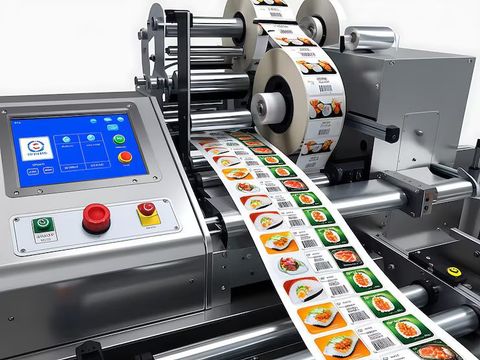
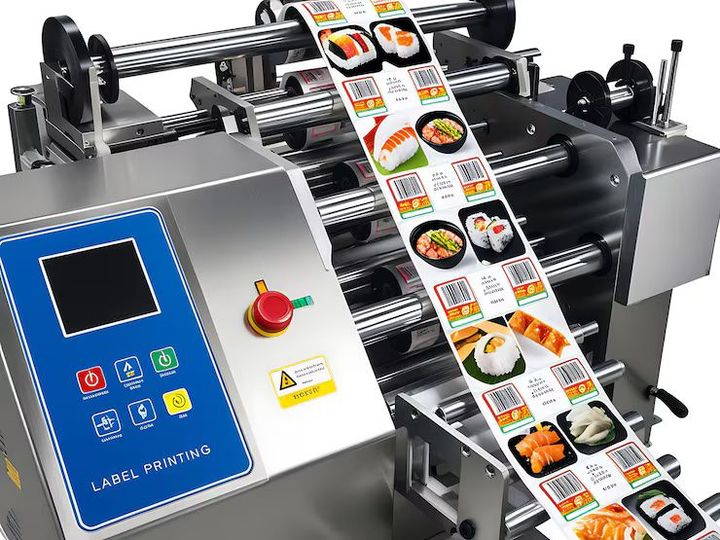
Modern sticker making machines are industrial systems used to print, cut, laminate, coat, inspect, and finish adhesive stickers and labels. They are used for product identification, packaging information, barcode labels, logistics tracking, safety markings, promotional graphics, and many other applications.
Modern sticker making machines are industrial systems used to print, cut, laminate, coat, inspect, and finish adhesive stickers and labels. They are used for product identification, packaging information, barcode labels, logistics tracking, safety markings, promotional graphics, and many other applications.
A typical sticker production line may include several stages:
- Material feeding and roll handling
- Digital or flexographic printing
- Colour management and image processing
- Lamination or protective coating
- Die cutting or digital contour cutting
- Waste removal
- Slitting and rewinding
- Barcode and print inspection
- Final packaging and documentation
Different machines are designed for different materials and applications. Paper, synthetic films, transparent substrates, heat-resistant materials, and specialty adhesive stocks may require different printing and finishing methods.
Digital sticker making machines have become especially important for short and medium production runs. They can support variable information, changing designs, multiple versions, and data-driven printing without requiring the same setup approach used in many conventional processes.
Why Sticker Making Technology Matters Today
Stickers and labels are now closely connected with packaging, logistics, retail identification, industrial traceability, and product information. A label may carry a barcode, batch number, serial number, expiry information, safety instruction, or a two-dimensional code.
For this reason, sticker making is no longer only a printing activity. It is increasingly connected with data accuracy and supply-chain management.
Modern equipment helps address several common industry challenges:
- Inconsistent print quality
- Manual cutting errors
- Difficult design changes
- Material waste
- Slow production monitoring
- Barcode readability problems
- Limited production data
- Repetitive manual inspection
Automation can improve repeatability by controlling machine settings, registration, cutting accuracy, and inspection processes. However, actual performance depends on machine design, materials, operator skills, maintenance, and production conditions.
Modern sticker making machines also support a wider range of applications. Manufacturers can produce simple product labels, transparent stickers, security labels, industrial identification marks, variable-data labels, and decorative designs using different combinations of printing and finishing technologies.
The technology affects packaging companies, printing businesses, manufacturers, logistics operators, retailers, and consumers. Better label accuracy can help reduce confusion in inventory systems and improve the readability of product information.
Latest Technology Trends in Sticker Making Machines
The sticker and label industry is moving toward greater automation, digital production, and data integration. Several important trends are shaping modern equipment.
Digital printing and variable data
Digital printing allows designs to be changed electronically. This is useful when different versions, languages, codes, or product details are required.
Variable-data printing can place unique information on individual labels. Examples include serial numbers, QR codes, batch references, and other traceability information.
Artificial intelligence and machine vision
Machine vision systems can inspect printed labels for missing elements, registration problems, colour differences, and barcode issues.
Artificial intelligence is increasingly being explored in smart manufacturing for data analysis, predictive maintenance, automated inspection, and production decision-making. A 2026 manufacturing research roadmap highlighted AI applications involving industrial data analytics, digital twins, advanced sensing, robotics, and sustainable manufacturing.
AI should not be viewed as a replacement for every human decision. Its usefulness depends on reliable data, appropriate system design, and effective human oversight.
Automation and connected controls
Modern equipment increasingly uses touchscreen controls, programmable systems, automated tension control, sensor-based monitoring, and production data collection.
Connected systems can help operators monitor machine status, detect interruptions, and identify recurring production issues. This supports a more data-oriented approach to manufacturing.
Digital finishing and precision cutting
Digital cutting systems can create complex shapes without requiring a separate physical die for every design. This can be useful for changing artwork, customized shapes, prototypes, and shorter production runs.
Rotary die cutting remains important for many high-volume applications, while laser and digital cutting technologies continue to expand in specialized workflows.
Smart labels and 2D codes
Labels are increasingly used to carry digital information through barcodes and two-dimensional symbols. In May 2026, ISO published ISO 22742:2026, covering requirements and guidance for linear barcodes and 2D symbols on product packaging, including formatting, symbol selection, quality, placement, and human-readable information.
This development reflects the growing importance of accurate machine-readable information in packaging and supply-chain operations.
Sustainable material management
Environmental considerations are influencing material selection, ink development, adhesive technology, waste reduction, and energy management.
Modern equipment may include better web control, more accurate cutting, optimized ink usage, and digital workflows that reduce unnecessary setup material. However, sustainability depends on the complete production system rather than a single machine feature.
Recent Industry Updates and Trends
The past year has seen continued movement toward digital, automated, and more connected label production.
In 2026, industry discussions have highlighted digital label printing, artificial intelligence, smart labels, automation, sustainability, and the growing influence of packaging regulations. These trends are encouraging manufacturers and converters to consider not only print quality but also traceability, data accuracy, material selection, and compliance requirements.
The use of 2D codes is also gaining attention because product information can be connected with digital records, supply-chain systems, and consumer-facing information platforms.
Another important development is the wider use of data analytics in manufacturing. Production information can help identify downtime patterns, maintenance requirements, material usage, and quality issues.
In India, machinery regulation is also becoming important. The Machinery and Electrical Equipment Safety (Omnibus Technical Regulation) Amendment Order, 2025 stated that the relevant regulation would apply from 1 September 2026 to machines and electrical equipment covered by the specified schedule, subject to the applicable requirements and standards.
These developments show that future sticker making equipment will likely be evaluated not only by printing speed, but also by automation, safety, digital integration, inspection capability, and regulatory readiness.
Laws, Regulations, and Policy Considerations
Sticker making machines are affected by several types of rules, depending on the application, material, country, and final product.
In India, labels used on packaged goods may be connected with Legal Metrology requirements. In September 2025, the Department of Consumer Affairs issued an advisory allowing certain revised price stickers on unsold packages under specific conditions, including that the original printed maximum retail price should not be obscured. The advisory also permitted certain older packaging materials to be used until 31 March 2026 or until existing stock was exhausted, whichever came first.
Food-related labels have additional considerations. FSSAI maintains regulations concerning food packaging and labelling. Its packaging framework states that materials used for food packaging must meet applicable safety requirements, and printing inks for food packages must conform to the relevant Indian Standard. The printed surface should also not directly contact food products.
The exact legal requirements depend on the product category and intended market. A sticker intended for industrial equipment may have different requirements from a label used on packaged food, medicine, cosmetics, or consumer products.
Important compliance areas may include:
- Product information and declarations
- Barcode and symbol accuracy
- Food-contact packaging requirements
- Packaging material safety
- Machinery safety
- Electrical safety
- Waste management rules
- Environmental requirements
- Worker protection
- Data protection where digital systems collect personal information
Businesses should review the rules applicable to their specific product and location before finalizing a production process. Regulations can change, and technical compliance should be verified through current government publications or qualified regulatory guidance.
Tools and Resources for Sticker Production
Several tools can help improve planning, design, production, and quality management.
Design and prepress tools
Vector design software, colour management tools, proofing systems, and barcode generators help prepare artwork before production.
Production planning tools
Digital scheduling templates, material tracking sheets, inventory dashboards, and workflow planning software can help organize production requirements.
Quality control tools
Barcode scanners, colour measurement devices, vision inspection systems, print registration tools, and adhesive testing equipment can support quality checks.
Maintenance resources
Digital maintenance logs, inspection checklists, machine manuals, lubrication schedules, and preventive maintenance templates can help reduce avoidable interruptions.
Learning resources
Technical standards databases, government regulatory portals, manufacturing training materials, industry publications, and engineering reference libraries can help users understand equipment operation and compliance requirements.
A practical evaluation checklist for a modern sticker making machine may include:
- Printing technology
- Supported materials
- Maximum web width
- Resolution and colour capability
- Cutting accuracy
- Inspection functions
- Automation level
- Data connectivity
- Operator controls
- Safety systems
- Maintenance requirements
- Energy use
- Expansion possibilities
Frequently Asked Questions
What is a sticker making machine used for?
A sticker making machine is used to print, cut, finish, inspect, and process adhesive labels and stickers. Applications include packaging, barcodes, product identification, logistics, industrial marking, and decorative labels.
What is the difference between digital and conventional sticker production?
Digital production allows electronic design changes and variable information without the same type of physical setup required by many conventional processes. Conventional printing methods can remain useful for specific high-volume and repeat-production applications.
Can modern machines produce QR code labels?
Yes. Many modern printing workflows can produce QR codes and other machine-readable symbols. The code must be correctly generated, printed with suitable quality, and tested for reliable scanning.
How does automation improve sticker production?
Automation can help control material movement, printing alignment, cutting, inspection, and production monitoring. It can reduce repetitive manual work, but results depend on correct setup and regular maintenance.
Are sticker making machines affected by regulations?
Yes. Requirements may apply to machine safety, electrical systems, packaging, food-contact materials, labelling information, environmental practices, and workplace safety. The applicable rules depend on the country and application.
Conclusion
Modern sticker making machines are evolving from standalone printing equipment into more connected production systems. Digital printing, automated controls, machine vision, variable data, precision cutting, smart codes, and production analytics are shaping the next stage of the industry.
The growing importance of traceability and packaging information is also increasing the role of accurate labels. At the same time, sustainability and regulatory requirements are encouraging manufacturers to consider materials, waste, energy use, safety, and compliance alongside production performance.