Sachet Filling Machines Guide to Flexible Packaging Solutions
Sachet filling machines are widely used in modern packaging industries to pack liquids, powders, granules, and semi-solid products into small sealed pouches. These machines support flexible packaging formats that are commonly used for food items, personal care products, pharmaceuticals, agricultural materials, and household products. As packaging needs continue to evolve, sachet packing systems have become more advanced, efficient, and adaptable for different industries.
The growing demand for compact and convenient packaging has increased the use of sachet machines across global markets. Automatic filling systems now support high-speed production while maintaining consistent product measurement and packaging quality.
Context
What Is a Sachet Filling Machine?
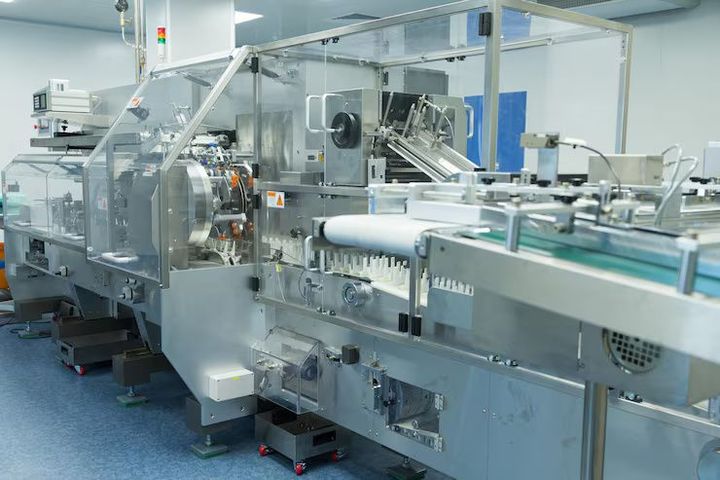
A sachet filling machine is a type of packaging machine designed to fill and seal small packets or sachets. These machines handle products in different forms such as liquids, powders, pastes, and granules. Depending on the product type, the machine uses different filling technologies including liquid filling and powder filling systems.
Sachet packing is commonly used for products such as:
- Coffee powder
- Spices and seasonings
- Shampoo and lotion
- Sauces and oils
- Pharmaceutical powders
- Detergents and cleaning products
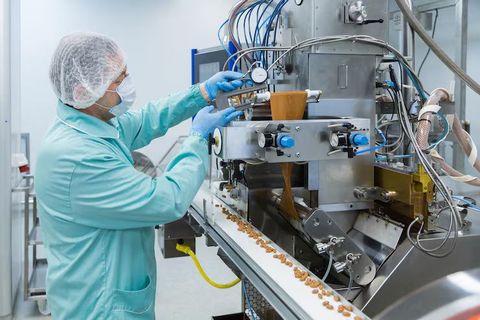
Most modern filling machines combine several functions into one system, including measuring, filling, sealing, cutting, and coding.
Background and Development
Flexible packaging has expanded significantly over the past two decades due to changing consumer habits and transportation efficiency. Earlier packaging systems required separate manual processes, but automatic filling technology now allows continuous production with reduced material waste.
Industries prefer sachet packing because small packages are easier to transport, store, and distribute. Manufacturers also use packaging machines to improve consistency and reduce contamination during production.
Main Types of Sachet Machines
Different industries use different types of sachet machines based on product characteristics.
| Machine Type | Common Use | Filling Method |
|---|---|---|
| Liquid Filling Machine | Oils, shampoo, sauces | Pump or piston filling |
| Powder Filling Machine | Spices, milk powder | Auger filling |
| Granule Filling Machine | Sugar, seeds | Cup or weight filling |
| Multi-Lane Sachet Machine | High-volume production | Multiple filling lanes |
| Vertical Form Fill Seal Machine | Flexible packaging | Integrated sealing system |
Importance
Why Sachet Packing Matters
Sachet packing supports product safety, convenience, and efficient storage. Small packaging formats are widely used in industries where portion control and product protection are important.
Flexible packaging solutions help reduce packaging material usage compared to rigid containers. Sachet packing also supports easier transportation because lightweight packages occupy less space.
Industries That Use Filling Machines
Many sectors depend on packaging machines for daily operations.
Food and Beverage Industry
Food manufacturers use powder filling and liquid filling machines for products such as spices, coffee, sauces, and beverages. Proper sealing helps preserve freshness and hygiene.
Pharmaceutical Industry
Medical products often require accurate dosage and contamination control. Sachet machines help package oral powders, nutritional supplements, and medicinal liquids in controlled quantities.
Personal Care Industry
Products such as shampoo, cream, gel, and lotion are frequently packed using automatic filling systems. Small sachets are practical for travel and single-use applications.
Agricultural Sector
Agricultural materials including seeds, fertilizers, and pesticides are commonly packed in sachets for distribution and storage.
Benefits of Automatic Filling Systems
Automatic filling systems provide several operational advantages:
- Improved production speed
- Consistent filling accuracy
- Reduced product waste
- Better hygiene control
- Lower manual handling requirements
Automation also helps manufacturers monitor production quality more effectively through digital controls and sensors.
Recent Updates
Trends in Sachet Filling Machines from 2024–2026
Recent developments in sachet packing technology focus on efficiency, sustainability, and smart automation.
Smart Automation and Digital Controls
Modern packaging machines now include touchscreen interfaces, automated sensors, and remote monitoring systems. Operators can adjust settings quickly and monitor machine performance in real time.
Some advanced automatic filling systems use artificial intelligence and predictive maintenance tools to identify possible machine issues before production interruptions occur.
Sustainable Packaging Materials
Environmental concerns have increased the use of recyclable and biodegradable packaging materials. Many sachet machines introduced between 2024 and 2026 are designed to handle eco-friendly films and thinner flexible materials.
Manufacturers are also working to reduce energy consumption and packaging waste during production.
High-Speed Multi-Lane Systems
Industries with large production requirements increasingly use multi-lane sachet machines. These systems allow several sachets to be filled simultaneously, improving overall output without increasing factory space significantly.
Improved Hygiene Standards
Food and pharmaceutical industries are adopting stainless steel filling machines with easier cleaning systems. Hygienic machine designs help reduce contamination risks and support regulatory compliance.
Laws or Policies
Packaging and Labeling Regulations
Packaging operations must follow local and international regulations related to labeling, product safety, and material handling.
Common regulatory areas include:
- Ingredient labeling
- Batch coding
- Expiration date marking
- Net quantity declaration
- Food safety standards
Different countries may apply different packaging laws depending on the product category.
Food Safety Standards
Food packaging systems often follow standards related to hygiene and contamination prevention. Many food manufacturers use guidelines based on Hazard Analysis and Critical Control Points (HACCP) systems.
Machines used for food contact applications are commonly built using stainless steel materials that support sanitary cleaning.
Pharmaceutical Compliance
Pharmaceutical packaging operations may follow Good Manufacturing Practice (GMP) guidelines. Accurate filling and sealed packaging are important for maintaining product quality and dosage consistency.
Environmental Policies
Governments in several regions are encouraging reduced plastic waste and increased recycling rates. Packaging industries are responding by adopting recyclable films and reducing unnecessary packaging layers.
Manufacturers also monitor energy efficiency standards and waste management requirements during production.
Tools and Resources
Useful Platforms and Software
Several digital tools support packaging machine operations and production planning.
| Tool Type | Purpose |
| Production Monitoring Software | Tracks machine performance |
| Packaging Design Software | Creates pouch layouts |
| Maintenance Tracking Systems | Schedules inspections |
| Barcode and Coding Systems | Adds product information |
| Weight Calibration Tools | Improves filling accuracy |
Training and Technical Resources
Operators and technicians often use:
- Equipment manuals
- Safety guidelines
- Industry webinars
- Packaging association publications
- Machine troubleshooting guides
These resources help improve machine operation knowledge and reduce production downtime.
Packaging Material Testing
Manufacturers may also use testing equipment to evaluate:
- Seal strength
- Film durability
- Leakage resistance
- Weight consistency
- Product shelf stability
Testing helps maintain product quality during transportation and storage.
FAQs
What products can a sachet machine handle?
A sachet machine can package liquids, powders, granules, gels, and semi-solid products. The filling method depends on the product type and viscosity.
What is the difference between liquid filling and powder filling?
Liquid filling systems use pumps or pistons to handle fluids, while powder filling systems often use auger mechanisms to measure dry materials accurately.
Why are automatic filling machines widely used?
Automatic filling systems improve speed, consistency, hygiene, and production efficiency while reducing manual handling.
What industries commonly use sachet packing?
Food processing, pharmaceuticals, cosmetics, chemicals, and agriculture frequently use sachet packing systems.
Are modern packaging machines compatible with recyclable materials?
Many newer packaging machines support recyclable and biodegradable flexible films designed for sustainable packaging applications.
Conclusion
Sachet filling machines play an important role in flexible packaging across multiple industries. These systems support efficient sachet packing for liquids, powders, and other products while improving consistency and hygiene. Modern automatic filling technology continues to evolve with smart controls, sustainable materials, and high-speed production capabilities. As packaging regulations and environmental standards continue to develop, packaging machines are becoming more adaptable and resource-efficient for long-term industrial use.

You May Also Like