Industrial Maintenance Equipment: A Beginner’s Guide to Reliable Operations
Industrial maintenance equipment includes the tools, devices, monitoring systems, and technologies used to maintain machinery, production lines, and infrastructure in working condition. These resources help organizations inspect equipment, identify wear, and reduce unexpected interruptions.
The history of maintenance practices evolved alongside industrial growth. Early factories relied mainly on reactive repairs after breakdowns occurred. Over time, engineers introduced preventive schedules and condition monitoring methods. Today, predictive maintenance systems and smart maintenance technologies have transformed how facilities manage equipment performance.
Industrial maintenance equipment is used across manufacturing, power generation, transportation, mining, food processing, water treatment, and logistics sectors. The combination of mechanical tools, digital platforms, and automated monitoring creates a more organized approach to equipment care.
OEM maintenance equipment manufacturers contribute specialized devices that align with specific industrial applications, supporting compatibility with existing machinery and operational requirements.
Categories of Maintenance Equipment
Industrial maintenance activities involve many types of equipment, including:
- Inspection instruments
- Vibration monitoring devices
- Thermal imaging tools
- Lubrication systems
- Alignment equipment
- Diagnostic software platforms
- Portable testing instruments
- Industrial maintenance tools for mechanical repair
These categories help technicians and engineers monitor equipment conditions throughout operational lifecycles.
From Reactive Repairs to Predictive Approaches
Traditional maintenance focused on repairing machines after failures occurred.
Modern predictive maintenance systems analyze equipment conditions continuously. Sensors, analytics platforms, and monitoring technologies help identify potential issues before they affect operations, allowing facilities to plan maintenance activities more effectively.
Importance
Supporting Industrial Reliability
Reliable equipment is essential for manufacturing and infrastructure operations.
Industrial maintenance equipment helps organizations maintain consistent performance across production systems, transportation assets, and energy facilities.
Reducing Operational Interruptions
Unexpected equipment failures can affect productivity and resource planning.
Preventive inspections and advanced maintenance technologies contribute to more stable operations by identifying problems at earlier stages.
Improving Workplace Safety
Well-maintained machinery supports safer working environments.
Maintenance practices help ensure that moving parts, electrical systems, and protective devices function according to design expectations.
Extending Equipment Lifecycles
Regular inspection and maintenance activities help preserve industrial assets.
By monitoring wear patterns and operating conditions, facilities can manage equipment utilization more effectively over time.
Supporting Sustainability Goals
Maintenance strategies influence energy consumption and material usage.
Efficient machinery generally operates with lower waste levels and improved resource utilization, supporting environmental objectives.
Types of Industrial Maintenance Equipment
Mechanical Maintenance Tools
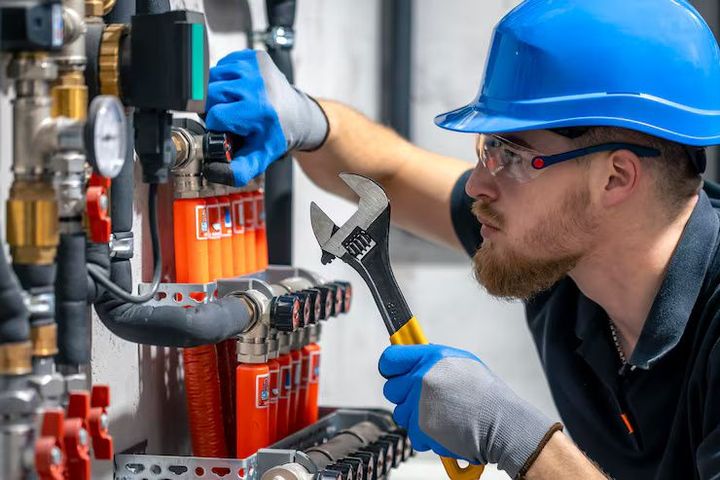
Industrial maintenance tools include wrenches, torque equipment, hydraulic devices, lifting systems, and alignment instruments.
These resources assist with equipment adjustment, inspection, and component replacement activities.
Condition Monitoring Systems
Condition monitoring technologies track equipment health through measurable indicators.
Examples include:
- Vibration analysis systems
- Thermal imaging devices
- Acoustic monitoring instruments
- Oil analysis tools
- Electrical diagnostic equipment
These technologies provide valuable operational information.
Predictive Maintenance Systems
Predictive maintenance systems use data analysis and sensor information to anticipate maintenance needs.
Rather than relying solely on fixed schedules, facilities can evaluate actual equipment conditions before planning interventions.
Smart Maintenance Technologies
Smart maintenance technologies combine digital platforms with connected sensors and automation tools.
These systems enable real-time monitoring, data visualization, and coordinated maintenance activities across industrial environments.
Equipment from OEM Maintenance Equipment Manufacturers
OEM maintenance equipment manufacturers develop specialized solutions designed for specific industrial machines and production systems.
Compatibility between equipment and original engineering specifications often supports effective maintenance planning.
Applications Across Industries
Manufacturing Facilities
Production environments rely on maintenance equipment to support conveyors, robotics, processing machinery, and packaging systems.
Continuous monitoring helps maintain operational efficiency.
Energy Generation
Power plants depend on maintenance tools for turbines, generators, pumps, and electrical infrastructure.
Predictive maintenance systems assist with long-term asset management.
Mining Operations
Mining equipment operates under demanding conditions involving dust, vibration, and heavy loads.
Industrial maintenance equipment supports inspection and reliability efforts within these environments.
Transportation Infrastructure
Rail systems, ports, and logistics facilities utilize maintenance technologies to manage mechanical and electrical assets.
Condition monitoring contributes to operational continuity.
Water Treatment Facilities
Pumps, filtration systems, and control equipment require regular inspection and maintenance.
Maintenance activities help support dependable public infrastructure.
Common Maintenance Technologies
| Technology | Primary Function | Typical Application |
|---|---|---|
| Thermal Imaging | Detect heat anomalies | Electrical equipment |
| Vibration Analysis | Monitor mechanical health | Motors and pumps |
| Oil Analysis | Assess lubrication quality | Gearboxes |
| Ultrasonic Inspection | Identify hidden defects | Pipelines |
| Laser Alignment | Improve equipment positioning | Rotating machinery |
| Digital Monitoring Platforms | Analyze operational data | Entire facilities |
These technologies illustrate the diversity of modern maintenance approaches.
Recent Updates
Expansion of Artificial Intelligence Applications
Between 2024 and 2026, artificial intelligence became more integrated into predictive maintenance systems.
Algorithms analyze operational data and support early identification of equipment anomalies.
Growth of Connected Sensors
Industrial facilities increasingly deploy wireless sensors across machinery networks.
These devices contribute to continuous monitoring and improved information accessibility.
Development of Digital Twins
Digital twins provide virtual representations of equipment and infrastructure.
Maintenance teams use these models to evaluate performance trends and plan interventions without interrupting operations.
Greater Focus on Sustainability
Advanced maintenance technologies increasingly support energy-efficient operations.
Properly maintained machinery generally uses resources more effectively and reduces material waste.
Increased Adoption of Mobile Platforms
Portable devices and digital dashboards allow maintenance personnel to access equipment information in real time.
These tools improve coordination across large industrial sites.
Laws or Policies
Occupational Safety Requirements
Industrial maintenance activities must comply with workplace safety regulations.
Guidelines often address lockout procedures, protective equipment, and equipment inspection practices.
Electrical Standards
Maintenance involving electrical systems follows established engineering codes and technical requirements.
These frameworks support safe operations.
Environmental Regulations
Industrial facilities must manage lubricants, replacement materials, and equipment disposal according to environmental standards.
Maintenance planning often incorporates these considerations.
Equipment Certification Requirements
Certain industrial sectors require regular inspections and documentation for critical equipment.
Compliance supports reliability and public safety.
Data Security Considerations
Connected maintenance technologies generate large amounts of operational information.
Organizations increasingly implement cybersecurity measures to protect digital maintenance systems.
Tools and Resources
Computerized Maintenance Management Systems
Digital maintenance platforms help organize inspection schedules, equipment records, and maintenance histories.
These systems improve asset visibility.
Vibration Analysis Software
Specialized programs interpret sensor information and identify patterns related to equipment health.
These tools support predictive maintenance systems.
Thermal Imaging Applications
Thermal inspection tools visualize temperature variations across equipment components.
Engineers use this information to identify developing issues.
Engineering Standards Publications
Professional organizations publish maintenance guidelines and technical standards.
These references support consistent industrial practices.
Digital Asset Management Platforms
Asset management systems help track maintenance activities, equipment performance, and operational histories across facilities.
FAQs
What is industrial maintenance equipment?
Industrial maintenance equipment includes tools, monitoring devices, diagnostic instruments, and digital systems used to maintain industrial machinery and infrastructure.
How do predictive maintenance systems work?
Predictive maintenance systems analyze sensor information and operational data to identify potential equipment issues before failures occur.
What are smart maintenance technologies?
Smart maintenance technologies combine connected sensors, software platforms, analytics tools, and automation systems to support equipment monitoring and planning.
Why are industrial maintenance tools important?
Industrial maintenance tools help technicians inspect, adjust, repair, and maintain machinery across various industrial environments.
What role do OEM maintenance equipment manufacturers play?
OEM maintenance equipment manufacturers develop specialized equipment that aligns with original engineering specifications and industrial applications.
Conclusion
Industrial maintenance equipment plays an important role in maintaining reliable and safe industrial operations. Predictive maintenance systems, smart maintenance technologies, and advanced monitoring tools have transformed traditional maintenance approaches. These developments support improved equipment performance, better resource utilization, and enhanced operational awareness. Understanding maintenance equipment provides valuable insight into how modern industries sustain critical infrastructure and production systems.