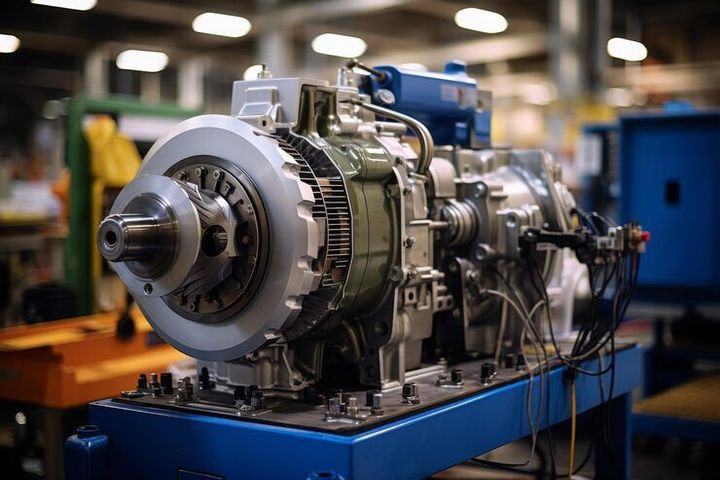
Industrial Motors Explore Guide: Learning Design and Function
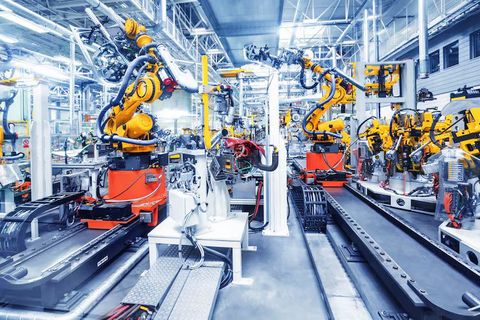
Industrial motors are machines that convert electrical energy into mechanical motion. They are a core component of industrial automation systems, manufacturing equipment, HVAC units, pumps, compressors, conveyor systems, and robotics.
The need for industrial motors began with the growth of electrification in the late 19th and early 20th centuries. As industries expanded, factories required reliable mechanical power that could operate continuously and efficiently.
Electric motors gradually replaced steam engines and mechanical belt systems because they were safer, more compact, and easier to control. Today, industrial motors are essential components in modern production systems.
The most widely used types include:
- AC induction motors
- Synchronous motors
- DC motors
- Servo motors
- Stepper motors
These motors differ in torque output, speed control, efficiency, and application. Modern systems often integrate advanced control technologies to improve performance and reduce energy consumption.
Importance
Why Industrial Motors Matter
Industrial motors power nearly every automated production environment. They account for a large share of industrial electricity consumption globally.
Key reasons this topic is important today:
- Energy efficiency regulations are becoming stricter
- Adoption of predictive maintenance is increasing
- Smart manufacturing requires advanced motor integration
- Rising electricity demand requires optimized performance
Industrial Applications
Industrial motors are widely used in:
- Manufacturing plants
- Oil and gas facilities
- Water treatment plants
- Construction material production
- Data centers and HVAC systems
Problems They Solve
Industrial motors help address several operational challenges:
- Converting electrical energy into mechanical motion
- Reducing manual labor through automation
- Improving production precision
- Enhancing operational reliability
Energy-efficient motor designs reduce losses caused by heat, friction, and magnetic resistance. This supports sustainability goals and reduces energy consumption.
Types of Industrial Motors and Their Function
| Motor Type | Power Source | Key Feature | Common Application |
|---|---|---|---|
| AC Induction Motor | Alternating Current | Durable, low maintenance | Pumps, fans, conveyors |
| Synchronous Motor | Alternating Current | Constant speed operation | Compressors, mills |
| DC Motor | Direct Current | Precise speed control | Elevators, cranes |
| Servo Motor | AC/DC | High precision positioning | Robotics, CNC machines |
| Stepper Motor | Electric | Incremental movement control | Automation equipment |
AC motors dominate industrial use due to reliability and simpler design. DC motors are preferred where precise speed and torque control are required.
Efficiency and Energy Performance Overview
| Energy Input | Mechanical Output | Heat Loss | Friction & Other Loss |
|---|---|---|---|
| 100% | 88–96% | 2–6% | 2–6% |
Premium efficiency motors can exceed 95% efficiency depending on application and design.
Efficiency Progression
Efficiency standards have improved over time:
- Standard Motor
- High Efficiency Motor
- Premium Efficiency Motor
- IE4 / IE5 Super Premium
This progression reflects global efforts to reduce energy consumption and improve motor performance.
Recent Updates
Efficiency Standards (2025–2026)
Recent energy efficiency updates align with IE3, IE4, and emerging IE5 classifications across multiple regions.
Smart Monitoring Adoption
Industries are increasingly using smart sensors for predictive maintenance and performance monitoring.
Industrial IoT Integration
Integration of industrial IoT (IIoT) allows real-time monitoring and improved operational efficiency.
Manufacturing Expansion
High-efficiency motor production is expanding, particularly in Asia-Pacific markets.
Manufacturers are focusing on:
- Optimized rotor designs
- Reduced copper losses
- Advanced insulation systems
- Digital simulation in motor design
Sustainability reporting requirements are encouraging industries to upgrade to energy-efficient motor systems.
Laws or Policies
Energy Efficiency Standards
Industrial motors are regulated through:
- IE (International Efficiency) classifications
- Minimum Energy Performance Standards (MEPS)
- Mandatory energy labeling requirements
Electrical Safety Compliance
Key safety requirements include:
- Insulation standards
- Thermal protection systems
- Overload and short-circuit protection
Regulatory Organizations
Organizations that define standards include:
- International Electrotechnical Commission
- Bureau of Energy Efficiency
Recent policies emphasize improved efficiency, reduced emissions, and sustainable industrial practices.
Tools and Resources
Motor Selection Tools
- Motor sizing calculators
- Torque-speed simulation tools
Energy Efficiency Tools
- Load calculation software
- Energy consumption comparison tools
Monitoring and Maintenance Tools
- Vibration analysis systems
- Thermal imaging tools
- IoT-based monitoring platforms
Engineering Resources
- IEC standards documentation
- National energy efficiency portals
- Electrical engineering handbooks
These tools help engineers optimize motor performance and reduce operational risks.
Motor Control Systems and Automation Integration
Key Components
Modern motor control systems include:
- Variable Frequency Drives (VFDs)
- Soft starters
- PLC-controlled systems
- Smart relays
Benefits
Motor control systems provide:
- Reduced starting current
- Adjustable speed based on load
- Lower mechanical stress
- Improved energy efficiency
Automation systems rely on coordinated motor control for robotics, packaging, and material handling processes.
Maintenance and Lifecycle Considerations
Common Maintenance Practices
- Bearing lubrication
- Insulation testing
- Vibration analysis
- Thermal inspection
Predictive Maintenance
Sensor-based monitoring helps detect early signs of failure. This reduces downtime and improves equipment lifespan.
Lifecycle Factors
- Operating temperature
- Load variation
- Environmental conditions
- Voltage stability
Upgrading to premium efficiency motors can reduce long-term energy consumption and operating costs.
FAQs
What is the difference between AC and DC industrial motors?
AC motors use alternating current and are widely used in industry. DC motors use direct current and offer more precise speed control.
What does IE3 or IE4 mean?
IE3 and IE4 are efficiency classes defined by international standards. Higher ratings indicate better energy performance.
How does a variable frequency drive improve performance?
A VFD adjusts motor speed by controlling frequency and voltage, improving efficiency and reducing energy waste.
Why are industrial motors important for energy savings?
Motors consume a large portion of industrial electricity. Efficient designs reduce losses and support sustainability goals.
How long do industrial motors last?
With proper maintenance, industrial motors can last 15–25 years depending on operating conditions.
Conclusion
Industrial motors form the backbone of modern industry by enabling automation, precision, and productivity. They are essential across manufacturing, infrastructure, and energy systems.
Advancements in motor design, efficiency standards, and control systems continue to improve performance while reducing energy consumption. Regulatory frameworks further support adoption of energy-efficient technologies.
Understanding motor types, efficiency levels, maintenance practices, and automation integration helps organizations make informed decisions. Industrial motors will continue to play a central role in sustainable and digital industrial development.