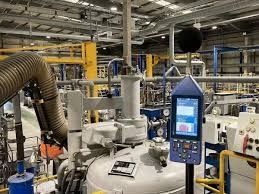
Industrial Noise System Information: Essential Insights for Workplace Sound Management
Industrial noise systems are technologies and methods used to measure, monitor, and manage sound levels in industrial environments.
These systems developed alongside modern manufacturing, construction, mining, and energy industries, where machinery and equipment often generate significant levels of noise. As workplaces became larger and more complex, organizations needed structured ways to understand and control sound exposure.
An industrial noise system may include monitoring devices, sensors, software platforms, and acoustic control measures designed to track and reduce unwanted noise. Over time, advancements in digital technology have transformed traditional sound measurement practices into more connected and data-driven approaches.
Today, industrial noise monitoring systems are commonly used in factories, warehouses, processing facilities, transportation hubs, and infrastructure projects. These systems help organizations identify noise sources, monitor changing conditions, and evaluate the effectiveness of noise reduction measures.
Industrial acoustic systems work by collecting sound data from various locations within a workplace. The information gathered can be analyzed to determine whether noise levels remain within acceptable limits and whether additional controls are needed.
As industries continue to automate operations and use larger equipment, workplace noise monitoring remains an important part of environmental and occupational management.
Importance
Understanding Workplace Noise Challenges
Noise is a natural byproduct of many industrial activities. Heavy machinery, ventilation systems, compressors, conveyors, generators, and manufacturing equipment can all contribute to elevated sound levels.
When workplace noise remains uncontrolled for extended periods, it can affect communication, concentration, and overall working conditions. Employees may find it more difficult to hear instructions, alarms, or warnings in noisy environments.
Industrial sound monitoring helps organizations understand where and when excessive noise occurs. By collecting accurate measurements, decision-makers can identify patterns and prioritize corrective actions.
Supporting Occupational Health and Safety
Workplace noise monitoring plays an important role in occupational health programs. Regular monitoring allows organizations to assess sound exposure and compare measurements against applicable regulations or guidelines.
Industrial noise sensors can continuously record sound levels throughout a facility. These sensors provide information that can help safety teams evaluate workplace conditions and implement suitable noise management strategies.
Improving Operational Awareness
Modern industrial noise control systems do more than measure sound. Many systems integrate with broader environmental monitoring platforms that track vibration, air quality, and equipment performance.
This integrated approach provides a clearer picture of facility operations and helps organizations understand how equipment, processes, and facility layouts influence noise levels.
Common Sources of Industrial Noise
The following table shows examples of common industrial noise sources and potential monitoring approaches.
| Noise Source | Typical Environment | Monitoring Approach |
|---|---|---|
| Compressors | Manufacturing facilities | Fixed noise sensors |
| Generators | Power and utility sites | Continuous sound monitoring |
| Conveyor systems | Warehouses and factories | Area-based measurements |
| Ventilation equipment | Industrial buildings | Acoustic surveys |
| Construction machinery | Construction zones | Portable monitoring devices |
| Metal processing equipment | Fabrication facilities | Real-time sound tracking |
Understanding these sources allows organizations to develop more effective factory noise reduction systems and workplace noise management plans.
Recent Updates
Growth of Smart Monitoring Technologies
Recent years have seen increasing adoption of smart noise monitoring systems. These systems use connected sensors and cloud-based software to provide continuous access to sound data.
Unlike traditional manual measurements, smart systems can automatically collect and store information from multiple locations. This enables faster identification of unusual sound events and changing workplace conditions.
Expansion of Real-Time Analytics
Industrial sound monitoring platforms increasingly include real-time analytics capabilities. These tools process incoming sound measurements and display trends through dashboards and visual reports.
Real-time monitoring allows facility managers to observe changes as they occur rather than relying solely on periodic inspections.
Integration with Industrial Internet of Things (IIoT)
Many industrial acoustic systems are now integrated with Industrial Internet of Things networks. Connected devices communicate with central monitoring platforms, creating a more comprehensive view of facility operations.
This trend supports automated reporting, centralized monitoring, and improved coordination between environmental and operational management systems.
Increased Focus on Predictive Maintenance
Noise data is increasingly being used as part of predictive maintenance programs. Changes in sound patterns may indicate equipment wear, alignment issues, or mechanical problems.
By combining industrial noise monitoring systems with equipment monitoring technologies, organizations can gain additional insights into machine performance.
Enhanced Data Visualization
Modern software platforms often include advanced visualization features such as:
- Interactive sound maps
- Historical trend charts
- Automated reporting dashboards
- Noise event tracking
- Facility-wide monitoring views
These tools make complex sound data easier to understand for both technical and non-technical users.
Laws or Policies
Workplace Noise Regulations
Many countries have occupational health and safety regulations that address workplace noise exposure. These regulations typically establish permissible exposure limits and outline employer responsibilities for monitoring and managing noise risks.
Requirements often include:
- Assessing workplace noise levels
- Maintaining monitoring records
- Implementing noise control measures where necessary
- Providing worker training on noise-related risks
- Reviewing workplace conditions periodically
Environmental Noise Requirements
In addition to occupational regulations, some industrial facilities must comply with environmental noise requirements. These rules help manage sound impacts on nearby communities and surrounding areas.
Environmental authorities may require facilities to conduct noise assessments and demonstrate compliance with applicable standards.
International Standards
Organizations frequently use internationally recognized standards when implementing industrial acoustic systems. These standards provide guidance for:
- Noise measurement procedures
- Equipment calibration
- Data collection methods
- Acoustic assessment practices
- Reporting requirements
Role of Industrial Acoustic Consultants
Industrial acoustic consultants often assist organizations in evaluating workplace sound conditions and interpreting regulatory requirements. Their work may include acoustic assessments, measurement planning, and technical analysis.
These professionals can also help organizations understand how industrial soundproofing systems and other control measures influence overall noise levels.
Because regulations differ by country and industry, organizations typically review applicable local requirements when developing workplace noise programs.
Tools and Resources
Noise Measurement Equipment
Noise measurement equipment is a fundamental component of workplace sound management. Common tools include:
- Sound level meters
- Noise dosimeters
- Acoustic calibrators
- Real-time analyzers
- Data logging devices
These instruments help collect accurate sound measurements in industrial environments.
Industrial Noise Sensors
Industrial noise sensors are often installed at fixed locations throughout facilities. They continuously gather sound information and transmit data to centralized monitoring systems.
Sensor networks can provide broad coverage across manufacturing plants, warehouses, and industrial campuses.
Monitoring Software Platforms
Modern industrial noise monitoring systems frequently include software platforms that help users:
- View sound data
- Generate reports
- Analyze trends
- Track historical information
- Manage compliance documentation
Many platforms also support remote access through secure web interfaces.
Mapping and Visualization Tools
Acoustic mapping software can create visual representations of sound levels throughout a facility. These maps help identify areas where noise control measures may be needed.
Visualization tools are particularly useful when planning factory noise reduction systems and evaluating operational changes.
Educational Resources
Various organizations publish educational materials related to industrial acoustic systems, including:
- Occupational safety agencies
- Environmental protection authorities
- Standards organizations
- Research institutions
- Professional acoustic associations
These resources often provide guidance on measurement techniques, acoustic principles, and workplace noise management practices.
FAQs
What is an industrial noise system?
An industrial noise system is a combination of monitoring devices, sensors, software, and control measures used to measure, track, and manage sound levels in industrial environments.
How does an industrial noise monitoring system work?
An industrial noise monitoring system collects sound data through microphones and sensors placed throughout a facility. The information is analyzed and displayed through software platforms that help users understand noise conditions.
Why is workplace noise monitoring important?
Workplace noise monitoring helps organizations identify areas with elevated sound levels, evaluate exposure conditions, and assess whether noise management measures are functioning as intended.
What are industrial noise control systems?
Industrial noise control systems are solutions designed to reduce or manage unwanted sound. These may include acoustic barriers, equipment enclosures, sound-absorbing materials, and operational adjustments.
What is the difference between industrial noise sensors and noise measurement equipment?
Industrial noise sensors are typically fixed devices that continuously collect sound data, while noise measurement equipment may include portable instruments used for inspections, surveys, and detailed acoustic assessments.
Conclusion
Industrial noise systems have become an important component of modern workplace management. Through monitoring technologies, industrial acoustic systems, and data analysis tools, organizations can better understand sound conditions within industrial environments. Recent developments in smart noise monitoring systems and connected sensor networks have expanded the ability to collect and analyze information in real time. As regulations and workplace expectations continue to evolve, industrial sound monitoring remains a significant aspect of occupational and environmental management.