Industrial oil and gas leak detection systems are specialized technologies designed to identify, monitor, and alert operators about unintended releases of gases or liquids in pipelines, storage units, and processing facilities. These systems exist to detect leaks early and minimize risks associated with hazardous substances such as natural gas, crude oil, and refined petroleum products.
Leaks can occur due to corrosion, pressure fluctuations, equipment wear, or mechanical failure. Without proper detection, even small leaks can escalate into environmental damage, safety hazards, or operational disruptions. Leak detection systems provide continuous monitoring, enabling rapid response and preventive action.
These systems combine sensors, data analysis, and alert mechanisms to ensure that industrial environments remain controlled and safe. They are widely used in upstream, midstream, and downstream oil and gas operations.
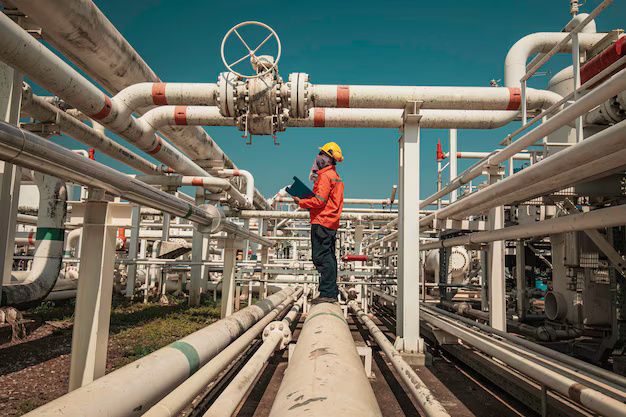
Why Leak Detection Systems Matter Today
Leak detection has become increasingly important due to environmental concerns, safety expectations, and stricter regulatory requirements.
Key reasons this topic matters today include:
- Safety protection: Early detection reduces the risk of fire, explosion, and exposure
- Environmental responsibility: Prevents contamination of air, soil, and water
- Operational reliability: Identifies issues before they disrupt production
- Regulatory compliance: Helps meet emission and safety standards
- Asset protection: Reduces damage to pipelines and equipment
These systems affect engineers, plant operators, safety officers, environmental regulators, and infrastructure planners. They address problems such as undetected leaks, delayed response, and inaccurate monitoring in large-scale industrial networks.
Industries including oil refining, petrochemical processing, natural gas distribution, and offshore exploration rely heavily on reliable leak detection to maintain safe operations.
Monitoring Tools and Sensor Types
Leak detection systems use a combination of sensor technologies and monitoring methods to identify abnormal conditions.
Common sensor types used in industrial systems:
- Gas sensors: Detect specific gases such as methane or hydrocarbons
- Infrared sensors: Identify gas leaks by measuring absorption of infrared light
- Ultrasonic sensors: Detect high-frequency sound generated by gas leaks
- Pressure sensors: Monitor pressure drops in pipelines
- Flow sensors: Compare input and output flow rates to identify discrepancies
| Sensor Type | Detection Method | Typical Application |
|---|---|---|
| Gas sensors | Chemical concentration detection | Processing plants |
| Infrared sensors | Optical absorption | Open environments |
| Ultrasonic sensors | Acoustic detection | High-pressure systems |
| Pressure sensors | Pressure variation | Pipelines |
| Flow sensors | Flow imbalance | Distribution networks |
Monitoring approaches include:
- Continuous pipeline monitoring
- Area-based gas detection networks
- Remote sensing for large infrastructure
- Real-time alert systems
These tools work together to provide comprehensive coverage and early warning capability.
Recent Updates: Trends and Developments (2024–2025)
Over the past year, leak detection systems have evolved with improvements in accuracy, connectivity, and environmental monitoring.
| Year | Development or Trend | Impact |
|---|---|---|
| 2024 | Enhanced sensor sensitivity | Better detection of low-level leaks |
| 2024 | Integration with remote monitoring systems | Improved real-time visibility |
| 2025 | AI-based anomaly detection | Faster identification of irregular patterns |
| 2025 | Satellite and drone-assisted detection | Expanded coverage for pipelines |
Recent developments emphasize early detection, data-driven monitoring, and reduced false alarms. Advanced systems can now analyze pressure, temperature, and flow data simultaneously to identify subtle leak patterns.
There is also a growing focus on methane emission monitoring, especially in response to global environmental initiatives introduced in 2024–2025.
Laws, Policies, and Regulatory Influence
Industrial leak detection systems are heavily influenced by environmental, safety, and energy regulations.
Common regulatory frameworks include:
- Environmental protection laws: Limit emissions and require leak monitoring
- Pipeline safety regulations: Mandate inspection and leak detection systems
- Occupational safety standards: Protect workers from hazardous exposure
- National energy policies: Promote safe and efficient resource handling
- Emission reduction programs: Encourage monitoring of greenhouse gases
In many countries, oil and gas facilities must maintain documented leak detection systems and conduct regular inspections. Regulatory bodies often require reporting of emissions and incident data.
For example, methane monitoring programs introduced in recent years emphasize accurate detection and reporting of gas leaks to reduce environmental impact.
Tools and Resources for Better Understanding
Learning about leak detection systems is supported by technical references and practical tools.
Helpful tools and resources include:
- Pipeline monitoring calculation charts
- Gas concentration reference tables
- Pressure and flow analysis templates
- Safety inspection checklists
- Environmental compliance documentation guides
Educational resources:
- Engineering textbooks on fluid dynamics and industrial safety
- Environmental monitoring research publications
- Oil and gas industry technical manuals
- Safety training programs for hazardous environments
These resources help professionals understand system behavior, interpret sensor data, and improve detection accuracy.
Safety Strategies in Leak Detection Systems
Effective leak detection is part of a broader safety strategy.
Key safety practices include:
- Continuous monitoring of critical areas
- Regular calibration of sensors
- Integration of alarm and shutdown systems
- Routine inspection of pipelines and valves
- Training personnel in emergency response
Combining detection technology with operational discipline ensures that risks are minimized and response times are reduced.
Frequently Asked Questions
What is the main purpose of leak detection systems?
Their primary purpose is to identify and alert operators to leaks in oil and gas systems to prevent safety hazards and environmental damage.
Which sensors are most commonly used?
Gas sensors, infrared sensors, ultrasonic sensors, and pressure-based monitoring systems are widely used.
How do leak detection systems improve safety?
They provide early warnings, allowing quick action to prevent accidents and exposure.
Are leak detection systems required by regulations?
Yes, many regions require monitoring systems to meet environmental and safety standards.
Can small leaks be detected accurately?
Modern systems are designed to detect even low-level leaks with improved sensitivity and data analysis.
Conclusion
Industrial oil and gas leak detection systems are essential for maintaining safety, environmental protection, and operational efficiency. By combining advanced sensor technologies with real-time monitoring and data analysis, these systems provide early detection and rapid response capabilities.
As regulations become stricter and environmental awareness increases, leak detection technology continues to evolve with better accuracy, broader coverage, and smarter monitoring strategies. Understanding how these systems work helps industries operate responsibly while minimizing risks associated with hazardous materials.