Industrial Oil and Gas Leak Detection Systems Explained: Monitoring Tools, Sensor Types, and Safety Strategies
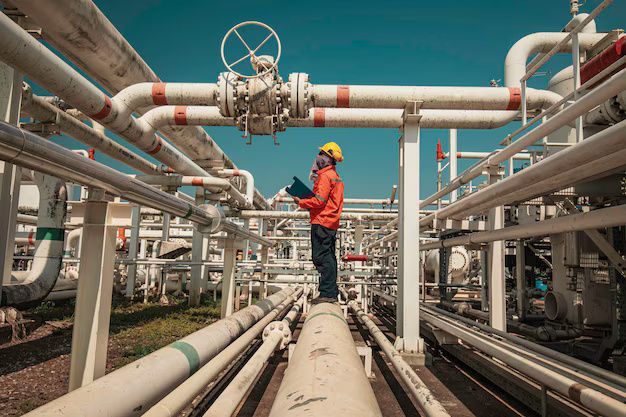
Industrial facilities that process oil and gas rely on complex networks of pipelines, valves, storage tanks, and processing units. Within these systems, even small leaks can create safety hazards, environmental concerns, and operational disruptions. To address this risk, many facilities rely on industrial oil and gas leak detection systems designed to monitor pipelines and equipment continuously.
Oil and gas leak detection systems use a combination of sensors, monitoring software, and communication networks to identify unusual changes in pressure, temperature, or chemical composition. When abnormal conditions appear, the system alerts operators so they can investigate the issue. This early awareness helps facilities respond quickly before leaks grow larger.
These systems have evolved significantly over time. Early monitoring methods depended largely on manual inspections and visual observations. Today, digital technologies, sensor networks, and automated monitoring platforms make it possible to detect leaks much earlier and with greater accuracy.
Industrial leak monitoring is now widely used in upstream production sites, midstream pipelines, and downstream processing facilities such as refineries and storage terminals. As infrastructure expands and energy demand continues, monitoring technologies play an important role in maintaining safe operations.
Importance
Oil and gas systems operate under high pressure and often transport flammable or hazardous substances. When leaks occur, they can pose risks to workers, nearby communities, and surrounding ecosystems. Because of these risks, monitoring technologies are widely used to identify leaks quickly.
Industrial oil and gas leak detection systems help address several real-world challenges. First, they support workplace safety by identifying leaks before they escalate into larger incidents. Early detection can reduce the likelihood of fires, explosions, or harmful gas exposure.
Second, leak monitoring helps reduce environmental impact. Oil spills or gas emissions can contaminate soil, water sources, and air quality. Detection systems help operators identify small leaks early so they can be repaired before causing broader environmental effects.
Third, these systems assist with operational efficiency. Oil and gas facilities depend on stable flow conditions inside pipelines and processing equipment. When leaks occur, they may disrupt pressure balance or reduce production efficiency. Continuous monitoring tools help operators maintain stable system performance.
Finally, leak detection supports regulatory compliance. Many countries require monitoring programs to track emissions, prevent spills, and maintain safe infrastructure. Leak detection technologies help operators document monitoring efforts and respond to safety concerns.
Recent Updates
Technological development between 2024 and 2026 has influenced how leak monitoring systems are designed and deployed across industrial sites.
One major trend involves advanced sensor integration. Modern facilities increasingly combine multiple sensor types in a single monitoring network. Pressure sensors, acoustic sensors, and gas concentration sensors work together to provide more accurate detection results.
Another development involves data analytics and artificial intelligence. Monitoring software now analyzes large streams of sensor data to identify patterns that might indicate leaks. Instead of waiting for obvious pressure drops, systems can identify subtle changes in vibration or flow behavior.
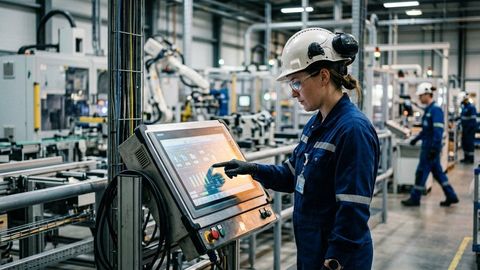
Remote monitoring has also become more common. Many industrial facilities now connect leak detection systems to centralized monitoring platforms where operators can view real-time system conditions. This approach allows teams to monitor pipelines and processing equipment from control rooms or remote operations centers.
Another trend includes satellite and aerial monitoring technologies. Some energy operators use satellite imaging and aerial sensors to detect methane emissions over large geographic areas. These technologies help identify leaks in remote pipeline networks where ground inspections are difficult.
Finally, improvements in wireless industrial sensor networks have made it easier to install monitoring equipment without extensive wiring. Wireless communication systems allow sensors to transmit data across large industrial sites more efficiently.
Laws or Policies
Oil and gas leak detection systems are influenced by environmental and safety regulations in many countries. Governments and regulatory agencies establish rules that encourage monitoring programs and infrastructure inspections.
In the United States, agencies such as the Environmental Protection Agency oversee regulations related to emissions monitoring and environmental protection. Facilities handling oil and gas are often required to track methane emissions and report environmental data.
Pipeline infrastructure is also regulated by the Pipeline and Hazardous Materials Safety Administration, which sets standards for pipeline monitoring, maintenance, and leak response procedures. These regulations encourage the use of monitoring technologies capable of detecting leaks in pipeline systems.
In Europe, leak monitoring practices are influenced by the European Union environmental frameworks addressing industrial emissions and environmental protection. These frameworks encourage monitoring strategies that reduce accidental releases and improve infrastructure safety.
Many countries in Asia and the Middle East also follow similar regulatory principles. Operators must maintain inspection programs, monitor pipelines, and implement safety strategies designed to detect leaks early.
Although specific regulatory requirements vary by region, most policies share common goals: preventing environmental damage, protecting worker safety, and ensuring responsible operation of energy infrastructure.
Tools and Resources
Several monitoring tools and platforms support industrial oil and gas leak detection systems. These tools assist operators with sensor monitoring, data analysis, and infrastructure management.
Common resources used in industrial monitoring include:
- Pipeline monitoring platforms – software systems that collect sensor data from pipelines and processing facilities.
- Gas detection instruments – portable and fixed sensors used to measure gas concentrations near equipment or pipelines.
- Acoustic monitoring tools – devices that listen for sound patterns associated with leaks or pressure changes.
- Thermal imaging systems – cameras that identify temperature differences caused by leaking gases or fluids.
- Remote sensing platforms – satellite or aerial monitoring tools that detect methane or hydrocarbon emissions.
The table below summarizes several common sensor types used in oil and gas leak detection systems.
| Sensor Type | Detection Method | Typical Application |
|---|---|---|
| Pressure Sensors | Monitor pressure drops in pipelines | Pipeline monitoring |
| Gas Concentration Sensors | Measure methane or hydrocarbon levels | Processing facilities |
| Acoustic Sensors | Detect sound patterns from leaks | Pipeline infrastructure |
| Fiber Optic Sensors | Measure temperature and vibration along pipelines | Long-distance pipelines |
| Infrared Sensors | Identify gas clouds through thermal signatures | Storage and processing sites |
Digital monitoring dashboards also help operators visualize data trends. These platforms display pipeline pressure, temperature readings, and gas concentrations so that unusual conditions can be identified more easily.
In addition, simulation tools help engineers evaluate how leaks might behave under different conditions. These models assist with planning monitoring strategies and identifying areas where sensors may be needed.
FAQs
What are industrial oil and gas leak detection systems?
Industrial oil and gas leak detection systems are monitoring technologies designed to identify leaks in pipelines, storage tanks, and processing equipment. They use sensors and data analysis tools to detect changes in pressure, temperature, or gas concentrations that may indicate a leak.
How do leak detection sensors work in oil and gas facilities?
Sensors monitor specific physical conditions inside industrial systems. For example, pressure sensors detect sudden drops in pipeline pressure, while gas sensors measure the presence of hydrocarbons in the air. When readings exceed normal ranges, the monitoring system alerts operators.
Why are oil and gas leak detection systems important for safety?
Oil and gas leak detection systems help identify hazardous conditions early. Quick detection allows operators to investigate the source of the leak, reduce potential exposure risks, and maintain safe operating conditions within industrial facilities.
What types of monitoring tools are used in industrial leak detection?
Common tools include pressure sensors, acoustic sensors, gas detectors, fiber optic monitoring systems, and thermal imaging equipment. Many facilities combine multiple sensor types to improve monitoring coverage.
Can monitoring tools detect methane leaks in pipelines?
Yes. Many modern monitoring systems include methane detection sensors designed to identify hydrocarbon gases in the air. Satellite and aerial monitoring technologies can also help identify methane emissions across large pipeline networks.
Conclusion
Industrial oil and gas leak detection systems play an important role in monitoring pipelines and processing infrastructure. These systems rely on sensors, data analysis tools, and remote monitoring platforms to identify leaks and unusual operating conditions.
Advances in sensor technology, digital monitoring platforms, and remote detection methods continue to improve how leaks are identified across energy infrastructure. Regulatory frameworks and environmental policies also encourage the use of monitoring technologies to maintain safe operations.
By combining monitoring tools, sensor networks, and safety strategies, industrial facilities can detect leaks earlier and better understand conditions within complex oil and gas systems.