Industrial Pest Management: Effective Strategies for a Safe and Productive Workplace
Industrial pest management is an essential part of maintaining clean, safe, and efficient industrial environments. Factories.
Pests can contaminate products, damage equipment, affect stored materials, and create health and safety concerns for employees. In industries that handle food, medicines, chemicals, or sensitive materials, pest-related problems can also lead to regulatory non-compliance and financial losses.
A professional industrial pest management program combines regular inspections, preventive practices, monitoring technologies, sanitation procedures, and carefully selected control methods. Rather than relying only on pesticides, modern approaches focus on identifying pest activity, eliminating contributing conditions, and preventing future infestations.
What Is Industrial Pest Management?
Industrial pest management refers to the systematic identification, prevention, monitoring, and control of pests in manufacturing and commercial facilities.
Unlike residential pest control, industrial programs must consider large premises, complex production systems, storage areas, employee safety, and industry-specific hygiene requirements.
Common pests found in industrial environments include:
Rodents such as rats and mice
Cockroaches
Ants
Flies and mosquitoes
Stored-product insects
Termites
Birds
Mites and other crawling insects
The objective is to minimize pest activity while protecting employees, products, machinery, buildings, and the surrounding environment.
Importance of Industrial Pest Management
Pest infestations can affect industrial operations in several ways. A structured management program helps businesses protect their facilities and maintain consistent production standards.
1. Product Protection
Pests can contaminate raw materials, packaging, finished goods, and stored products. In food and pharmaceutical manufacturing, even minor pest activity can create serious quality and hygiene concerns.
2. Employee Health and Safety
Certain pests can spread pathogens, trigger allergic reactions, and create uncomfortable working conditions. Effective pest management supports a healthier workplace.
3. Equipment and Infrastructure Protection
Rodents may damage electrical wiring, insulation, packaging, and other materials. Termites and other insects can also affect building structures and stored resources.
4. Regulatory Compliance
Many industrial sectors must follow hygiene, sanitation, and pest prevention requirements. A documented pest management program helps businesses demonstrate that appropriate preventive and corrective measures are in place.
5. Operational Efficiency
Uncontrolled infestations can interrupt production, require additional cleaning, damage inventory, and increase maintenance expenses. Preventive pest management helps reduce these operational risks.
Common Pests Found in Industrial Facilities
Different industrial environments attract different pest species depending on their activities, materials, location, and sanitation conditions.
Pest Type | Common Risk Areas | Potential Problems |
|---|---|---|
Rats and mice | Warehouses, storage areas, loading docks | Contamination and material damage |
Cockroaches | Kitchens, drains, utility areas | Hygiene and contamination risks |
Ants | Production areas and break rooms | Food contamination and nuisance |
Flies | Waste areas and entrances | Product contamination |
Stored-product insects | Grain and raw material storage | Inventory damage |
Termites | Wooden structures and storage areas | Structural damage |
Birds | Roofs, loading bays, and warehouses | Droppings and contamination |
Mosquitoes | Outdoor areas and stagnant water | Health and workplace concerns |
Understanding pest behavior and identifying high-risk locations are essential for developing an effective control strategy.
Industrial Pest Management Methods
Professional pest management uses different techniques depending on the pest species, facility conditions, and operational requirements.
1. Preventive Pest Control
Prevention is one of the most effective ways to minimize pest infestations.
Important preventive measures include:
Sealing cracks and openings in walls and floors.
Installing insect screens and suitable door barriers.
Maintaining clean production and storage areas.
Removing standing water and moisture sources.
Keeping waste containers covered.
Maintaining drainage systems.
Inspecting incoming materials and shipments.
Preventive maintenance reduces opportunities for pests to enter and establish themselves inside industrial facilities.
2. Mechanical and Physical Control
Mechanical and physical methods help detect or manage pests without depending entirely on chemical treatments.
Common approaches include:
Rodent monitoring traps
Insect monitoring devices
Physical exclusion barriers
Door sweeps and protective screens
Air curtains
Structural sealing
Bird deterrent systems
These techniques are particularly useful in facilities where chemical applications must be carefully controlled.
3. Biological Pest Control
Biological pest management uses natural organisms or biological processes to manage selected pest populations.
Depending on the environment, approaches may include beneficial organisms, natural predators, and approved biological control products.
This method can be useful in suitable settings, although its effectiveness depends on the pest species and operating conditions.
4. Chemical Pest Control
Chemical treatments may be required when monitoring identifies an infestation that cannot be adequately controlled through preventive measures alone.
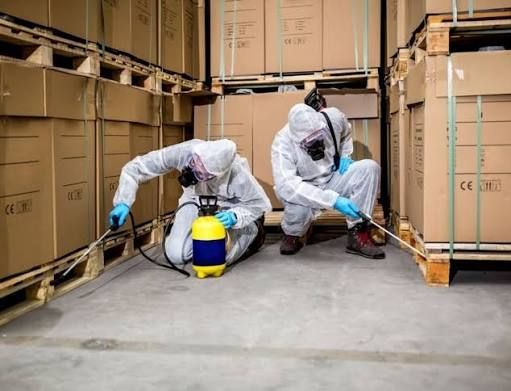
Professional treatments may involve approved insecticides, rodenticides, or other pest control products.
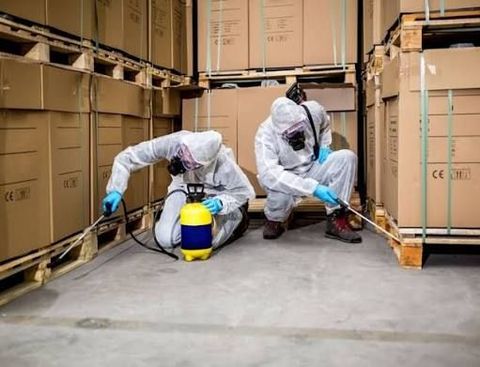
Chemical applications should be performed by qualified personnel in accordance with product instructions, applicable regulations, and facility safety procedures. Particular care is necessary around food, medicines, sensitive manufacturing equipment, and occupied workspaces.
5. Integrated Pest Management
Integrated Pest Management (IPM) combines preventive measures, inspections, monitoring, physical controls, sanitation, and targeted treatments.
Instead of depending exclusively on pesticides, IPM addresses the conditions that allow pests to enter, survive, and reproduce.
This approach supports long-term pest prevention while helping businesses manage chemical use and operational risks.
Industrial Pest Management for Different Industries
Food Processing and Manufacturing
Food production facilities require strict hygiene and pest prevention procedures. Insects, rodents, and birds can contaminate raw materials, production equipment, packaging, and finished products.
Important practices include:
Regular inspections of production areas.
Monitoring of storage and packaging zones.
Proper waste disposal.
Cleaning food residue and spills.
Inspection of incoming raw materials.
Maintaining pest monitoring devices.
Pharmaceutical Manufacturing
Pharmaceutical facilities require carefully controlled environments to protect product quality and manufacturing processes.
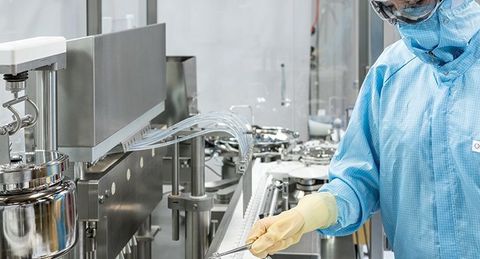
Pest management programs should consider cleanroom requirements, material handling procedures, contamination risks, and restrictions on chemical applications.
Preventive controls and detailed documentation are especially important.
Warehousing and Logistics
Warehouses store a wide range of materials, including food products, packaging, textiles, electronics, and industrial components.
Rodents and stored-product insects can damage inventory and packaging. Regular inspections, organized storage, proper stock rotation, and monitoring systems help reduce these risks.
Automotive and Engineering Industries
Industrial workshops and engineering facilities may experience pest activity around waste storage, machinery, building openings, and outdoor areas.
Pest prevention helps protect wiring, insulation, stored components, and workplace hygiene.
Textile and Garment Manufacturing
Textile facilities can experience problems from fabric pests, rodents, and insects that damage stored materials.
Clean storage areas, appropriate material packaging, moisture control, and routine inspections help protect inventory.
Role of Technology in Modern Industrial Pest Management
Technology is improving the way industrial facilities identify, monitor, and manage pest activity.
Smart Pest Monitoring Systems
Digital monitoring devices can help identify pest activity and provide information about locations that require attention.
Some systems send alerts when monitoring devices detect activity, allowing pest management teams to respond more quickly.
Data Analysis and Reporting
Digital reporting tools help businesses record pest sightings, inspection results, treatment activities, and recurring problem areas.
Analyzing these records can reveal seasonal trends and locations that require additional preventive measures.
Automated Monitoring
Automated monitoring technologies can support more consistent inspections in large warehouses and industrial environments.
They can also help maintenance teams identify recurring pest activity without depending entirely on manual observations.
Geographic Monitoring Plans
Facility maps showing the location of traps, monitoring devices, and identified pest activity can improve inspection planning and communication between facility managers and pest control professionals.
Steps to Develop an Effective Industrial Pest Management Program
A structured program helps businesses maintain consistent pest prevention practices.
Step 1: Conduct a Facility Inspection
Inspect production areas, warehouses, loading docks, employee facilities, waste storage zones, drainage systems, and surrounding grounds.
Step 2: Identify Target Pests
Determine which pests are present or likely to enter the facility. Consider previous infestations, seasonal activity, and environmental conditions.
Step 3: Assess Risk Areas
Identify entry points, food sources, moisture problems, waste accumulation, and potential nesting locations.
Step 4: Develop a Pest Management Plan
Create a documented plan covering prevention, monitoring, inspection schedules, responsibilities, and corrective actions.
Step 5: Implement Control Measures
Use suitable physical, mechanical, biological, or chemical methods based on the identified pest risks.
Step 6: Monitor Results
Review monitoring devices, inspection findings, and pest activity records to evaluate the effectiveness of the program.
Step 7: Maintain Documentation
Keep inspection reports, treatment records, pest sighting logs, corrective action reports, and staff training records.
Step 8: Review and Improve
Evaluate the program periodically and update procedures when facility operations, pest risks, or regulatory requirements change.
Benefits of Hiring Professional Industrial Pest Management Services
Industrial pest management can involve complex requirements that differ from ordinary residential pest control.
Professional service providers can help businesses develop and maintain suitable prevention programs.
Important benefits include:
Expert pest identification and inspection.
Customized management plans.
Professional monitoring and reporting.
Appropriate selection of control methods.
Trained pest management personnel.
Support with hygiene and audit documentation.
Regular follow-up inspections.
Recommendations for long-term prevention.
When selecting a provider, businesses should evaluate qualifications, relevant industry experience, insurance, regulatory compliance, service documentation, and treatment procedures.
Best Practices for Maintaining a Pest-Free Industrial Facility
Consistent daily practices can significantly reduce pest-related risks.
Maintain a regular cleaning schedule.
Keep production and storage areas organized.
Remove waste frequently.
Repair damaged doors, windows, and screens.
Seal gaps around pipes and utility connections.
Prevent water accumulation.
Store materials in suitable containers.
Keep inventory elevated and away from walls where appropriate.
Inspect deliveries and incoming packaging.
Train employees to report pest sightings.
Review pest monitoring records regularly.
Employee awareness is particularly important because workers often notice early signs of pest activity during routine operations.
Frequently Asked Questions (FAQs)
1. What is industrial pest management?
Industrial pest management is the systematic prevention, identification, monitoring, and control of pests in factories, warehouses, manufacturing facilities, and other commercial environments.
2. What are the most common industrial pests?
Common industrial pests include rats, mice, cockroaches, ants, flies, mosquitoes, termites, birds, and stored-product insects.
3. What is Integrated Pest Management?
Integrated Pest Management is an approach that combines inspections, sanitation, monitoring, physical barriers, and targeted pest control treatments to manage infestations effectively.
4. How often should industrial facilities be inspected?
Inspection frequency depends on the facility's activities, pest risks, previous infestation history, and applicable standards. High-risk areas may require more frequent monitoring.
5. Why is pest management important in food manufacturing?
It helps prevent contamination of raw materials, packaging, production equipment, and finished products while supporting hygiene and food safety requirements.
6. Are chemical treatments necessary for industrial pest control?
Not always. Many pest problems can be reduced through sanitation, exclusion, maintenance, and monitoring. Chemical treatments may be necessary for certain infestations and should be managed by qualified professionals.
7. How can warehouses prevent rodent infestations?
Warehouses can reduce rodent risks by sealing entry points, maintaining organized storage, removing waste, inspecting incoming shipments, controlling moisture, and using appropriate monitoring systems.
8. What records should an industrial pest management program maintain?
Important records include inspection reports, pest sighting logs, monitoring device maps, treatment records, chemical usage details, corrective actions, and staff training documentation.
Conclusion
Industrial pest management is a critical component of maintaining safe, hygienic, and productive commercial facilities. Uncontrolled pest activity can damage materials, contaminate products, affect employee health, and disrupt industrial operations.
A successful approach combines preventive maintenance, sanitation, routine inspections, monitoring technologies, and carefully selected control methods. Integrated Pest Management provides a structured way to address existing infestations while reducing the conditions that encourage future pest activity.