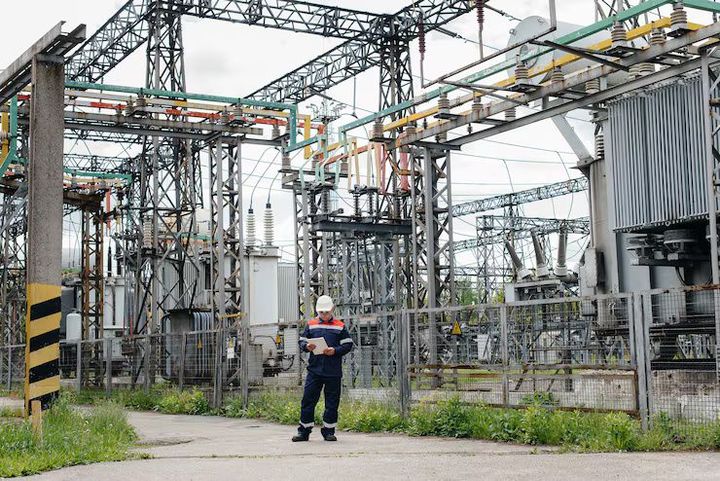
Industrial Power Design Insights: Strategies for Efficient and Reliable Energy Infrastructure
Industrial power design involves planning, organizing, and integrating electrical infrastructure that supports factories, processing facilities, transportation networks, and critical infrastructure. Industrial power design activities focus on how electricity is generated, distributed, controlled, and monitored within industrial environments.
The discipline emerged alongside large-scale manufacturing and electrification. Early industrial facilities depended on simple mechanical power systems, but expanding production requirements encouraged the development of more sophisticated electrical networks. Over time, industrial electrical engineering solutions evolved to include automation, digital controls, energy management, and advanced monitoring capabilities.
Modern industries rely on dependable power systems to operate equipment, maintain safety procedures, and support continuous production. Industrial power system consulting practices and engineering frameworks help organizations understand how complex electrical networks function together.
Advanced industrial power technologies now combine traditional engineering principles with intelligent software platforms, data analytics, and automated control systems.
Components of Industrial Power Design
Industrial power infrastructure typically includes:
- Transformers and substations
- Switchgear and protection equipment
- Power distribution networks
- Backup generation systems
- Industrial power automation systems
- Energy monitoring platforms
- Motor control centers
- Electrical safety systems
These elements work together to maintain stable electrical operations.
From Generation to Consumption
Electricity within industrial settings follows a structured path.
Energy is generated or received from external sources, transmitted through substations, distributed across facilities, and managed by automated systems. Effective design ensures that power reaches equipment safely and efficiently.
Importance
Supporting Essential Manufacturing Activities
Industrial facilities depend on reliable electrical infrastructure.
Production lines, robotic systems, processing equipment, and environmental controls require consistent energy distribution to maintain operations.
Enhancing Safety
Electrical engineering decisions directly influence workplace safety.
Protective devices, grounding systems, emergency shutdown mechanisms, and monitoring technologies help reduce operational risks.
Encouraging Energy Efficiency
Industrial power design activities increasingly focus on efficient resource utilization.
Modern systems examine power quality, equipment performance, and consumption patterns to support responsible energy management.
Enabling Automation
Industrial power automation systems provide the foundation for smart factories and connected production environments.
Automation technologies depend on reliable electrical infrastructure to coordinate equipment and exchange operational information.
Supporting Critical Infrastructure
Power design extends beyond manufacturing facilities.
Water treatment plants, transportation networks, healthcare facilities, and communication systems all depend on carefully engineered electrical frameworks.
Major Areas of Industrial Power Design
Power Distribution Engineering
Distribution systems move electricity from primary sources to industrial equipment.
Engineers determine voltage levels, routing arrangements, and protection strategies to support reliable operation.
Industrial Electrical Engineering Solutions
Industrial electrical engineering solutions encompass equipment selection, control systems, energy planning, and facility integration.
These approaches combine technical analysis with operational requirements.
Motor Control Systems
Motors power many industrial activities.
Control systems regulate speed, torque, startup procedures, and operational safety across manufacturing environments.
Backup Power Infrastructure
Many industries maintain emergency generation capabilities.
Backup systems support critical functions during interruptions and contribute to operational continuity.
Automation and Digital Integration
Industrial power automation systems connect sensors, controllers, and software platforms.
This integration enables real-time monitoring and coordinated decision-making.
Common Elements in Industrial Power Networks
| System Element | Primary Function | Typical Application |
|---|---|---|
| Transformers | Voltage conversion | Power distribution |
| Switchgear | Circuit protection | Industrial facilities |
| Motor Controllers | Equipment regulation | Manufacturing lines |
| Generators | Emergency power | Critical infrastructure |
| Sensors | Condition monitoring | Automated systems |
| Energy Meters | Consumption analysis | Facility management |
These components contribute to safe and organized industrial operations.
Recent Updates
Expansion of Smart Grid Technologies
Between 2024 and 2026, industrial facilities increasingly connected with smart grid infrastructure.
Digital communication tools enable better coordination between energy providers and industrial consumers.
Growth of Renewable Energy Integration
Industrial power systems increasingly accommodate solar, wind, and battery storage technologies.
Engineers develop frameworks that balance multiple energy sources within existing infrastructure.
Artificial Intelligence in Power Management
Advanced industrial power technologies now incorporate artificial intelligence for predictive analysis and operational planning.
Machine learning models assist in identifying trends related to equipment performance and energy utilization.
Development of Digital Twin Systems
Digital twins provide virtual representations of industrial electrical networks.
Engineers use these tools to study performance scenarios without interrupting actual operations.
Increased Attention to Cybersecurity
Connected industrial environments require stronger information protection measures.
Power automation systems increasingly incorporate cybersecurity considerations during design and implementation.
Laws or Policies
Electrical Safety Standards
National electrical codes establish requirements for industrial installations.
These standards address wiring practices, protective equipment, grounding methods, and inspection procedures.
Environmental Regulations
Energy systems often operate within environmental frameworks related to emissions and resource management.
Industrial power planning considers these requirements during infrastructure development.
Occupational Safety Requirements
Workplace regulations influence electrical equipment placement, maintenance procedures, and emergency response planning.
These measures support worker protection.
Energy Efficiency Programs
Many governments encourage efficient industrial energy utilization.
Engineering initiatives frequently align with broader sustainability and conservation objectives.
Grid Connection Requirements
Industrial facilities connected to regional power networks must follow technical guidelines concerning power quality and operational compatibility.
These frameworks promote stable electrical infrastructure.
Tools and Resources
Electrical Design Software
Engineering teams use digital design platforms to create circuit layouts, distribution plans, and infrastructure models.
These applications improve technical visualization.
Power System Simulation Programs
Simulation tools help engineers examine electrical behavior under various operating conditions.
Virtual testing supports informed planning decisions.
Energy Monitoring Platforms
Digital monitoring systems collect information related to power consumption and equipment performance.
The data supports analytical evaluation and operational management.
Building Information Modeling Tools
Large industrial projects increasingly utilize integrated digital models.
These systems coordinate electrical, mechanical, and structural elements.
Technical Standards Publications
Engineering organizations publish technical guidance related to industrial power infrastructure and safety requirements.
These resources support consistent practices.
FAQs
What are industrial power design activities?
Industrial power design activities involve planning, organizing, and integrating electrical systems used within manufacturing facilities and industrial infrastructure.
What do industrial electrical engineering solutions include?
Industrial electrical engineering solutions include power distribution planning, automation systems, motor controls, safety equipment, and energy management technologies.
What is industrial power system consulting?
Industrial power system consulting generally focuses on evaluating electrical infrastructure, operational requirements, and system performance within industrial environments.
How do industrial power automation systems work?
Industrial power automation systems use sensors, controllers, and software platforms to monitor and regulate electrical operations in real time.
What are advanced industrial power technologies?
Advanced industrial power technologies include smart grids, digital twins, intelligent monitoring systems, battery storage integration, and data-driven energy management tools.
Conclusion
Industrial power design forms a critical foundation for modern industry and infrastructure. Through industrial power design activities, engineers coordinate generation, distribution, automation, and safety considerations across complex facilities. Advances in digital monitoring, renewable integration, and intelligent control systems continue shaping industrial electrical networks. Understanding these systems helps explain how industries maintain reliable and organized energy operations in a rapidly evolving technological environment.