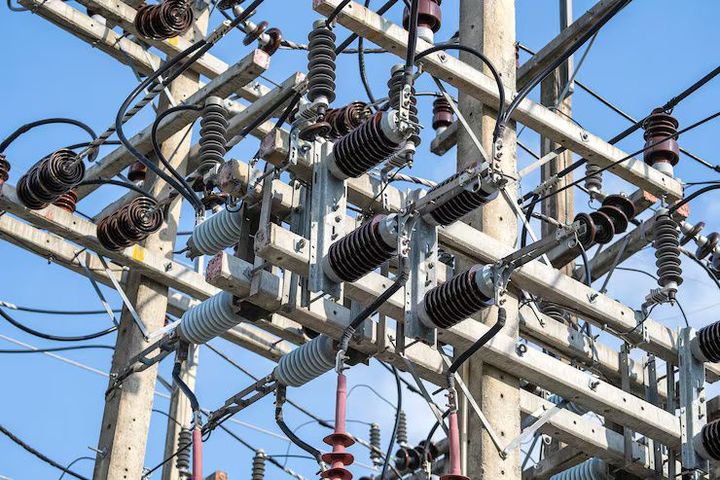
Industrial Power Systems Overview of Electrical Infrastructure and Safety
Industrial power systems refer to the electrical networks that generate, transmit, distribute, and manage electricity within industrial environments such as factories, refineries, data centers, and manufacturing plants. These systems are designed to handle high power loads, ensure operational continuity, and maintain safety under demanding conditions.
Unlike residential or commercial setups, industrial power systems are more complex due to their scale, diverse equipment, and continuous operation requirements. They include transformers, switchgear, generators, transmission lines, protection devices, and control systems.
The purpose of these systems is to ensure stable power delivery while minimizing downtime, maintaining safety standards, and optimizing energy usage. With industries increasingly relying on automation and digital technologies, reliable power infrastructure has become a critical foundation for productivity.
Why Industrial Power Systems Matter Today
Industrial power systems directly affect production efficiency, energy consumption, and operational reliability across sectors like manufacturing, oil and gas, pharmaceuticals, and logistics.
Key Reasons for Their Importance
-
Operational Continuity
Interruptions in power can halt production lines, causing delays and losses. Reliable systems reduce unplanned downtime. -
Energy Efficiency
Efficient systems reduce energy waste, which is critical amid rising energy demand and sustainability concerns. -
Safety Assurance
Proper design and maintenance prevent hazards such as electrical fires, overloads, and equipment failures. -
Support for Automation
Robotics, IoT devices, and AI systems require stable and uninterrupted power supply. -
Environmental Impact Reduction
Optimized power systems improve energy efficiency and integrate renewable sources to lower emissions.
Industries today face challenges such as fluctuating energy demand, rising electricity consumption, and the need for sustainable operations. Industrial power systems help address these challenges through smarter energy management and improved reliability.
Recent Updates and Trends in Industrial Power Systems
Industrial power systems have evolved significantly over the past year, reflecting advances in digitalization, sustainability, and automation.
Key Trends
- Adoption of Smart Grids (2025) – Real-time monitoring and automated control enhance reliability.
- Growth of Renewable Integration (2024–2025) – More industries are incorporating solar, wind, and hybrid energy systems.
- Energy Storage Expansion (2025) – Battery systems help manage peak loads and provide backup power.
- Digital Twin Technology (2025) – Simulated models optimize performance and predict failures.
- Cybersecurity Focus (2024–2025) – Protects industrial power systems from digital threats.
- Electrification of Industrial Processes – Shifting from fossil fuels to electric-powered systems improves efficiency and reduces emissions.
These trends highlight a shift toward smarter, more sustainable, and digitally connected power systems.
Laws, Regulations, and Policies
Industrial power systems are governed by national and international standards to ensure safety, efficiency, and environmental compliance.
Key Frameworks in India
- Electricity Act, 2003 – Regulates generation, transmission, and distribution of electricity.
- Central Electricity Authority (CEA) Regulations – Provides technical standards and safety measures.
- Bureau of Energy Efficiency (BEE) Guidelines – Promotes energy efficiency through standards and benchmarks.
- National Smart Grid Mission (NSGM) – Encourages modernization with digital technologies and automation.
- Renewable Energy Policies – Incentivize adoption of solar and other renewable energy solutions.
Compliance ensures safe, efficient, and sustainable operation while helping organizations align with environmental goals and avoid operational risks.
Tools and Resources for Industrial Power Systems
Various tools and resources support the design, monitoring, and optimization of industrial power systems.
Common Tools
- Energy Management Systems (EMS) – Monitor and control energy usage in real time.
- SCADA Systems – Centralized control and data acquisition for industrial processes.
- Load Flow Analysis Software – Analyze power distribution and identify inefficiencies.
- Power Quality Analyzers – Detect voltage fluctuations and harmonics.
- Predictive Maintenance Tools – Use analytics to predict equipment failures.
Useful Platforms and Resources
- Industry standards documentation (IEEE, IEC)
- Government energy portals
- Engineering simulation software
- Online training platforms for electrical engineering
- Templates for energy audits and system design
Example: Industrial Power Distribution Structure
| Component | Function |
|---|---|
| Generator | Produces electrical energy |
| Transformer | Adjusts voltage levels |
| Switchgear | Controls and protects electrical circuits |
| Transmission Lines | Transfers electricity over distances |
| Distribution Panel | Supplies power to equipment |
| Protection Devices | Prevent faults and ensure safety |
These tools and resources help engineers maintain system reliability, efficiency, and compliance.
Frequently Asked Questions
What is an industrial power system?
A network of electrical components used to generate, transmit, and distribute electricity within industrial facilities.
Why is power quality important in industries?
Stable voltage and frequency prevent equipment damage and improve operational efficiency.
How do industries reduce energy consumption?
Using energy-efficient equipment, optimizing load management, and implementing monitoring systems.
What is the role of automation in power systems?
Automation enables real-time monitoring and control, improving reliability and reducing human intervention.
Are renewable energy sources used in industrial systems?
Yes, solar, wind, and hybrid systems are increasingly integrated for sustainability and energy resilience.
Conclusion
Industrial power systems are fundamental to modern industrial operations, ensuring energy is delivered reliably, safely, and efficiently.
As industries evolve, these systems are becoming more advanced with digital technologies, renewable energy sources, and intelligent monitoring tools. Understanding industrial power systems helps organizations improve productivity, reduce risks, and adapt to changing energy demands.
With ongoing innovations and regulatory support, industrial power systems are central to building sustainable and resilient industrial infrastructure for the future.