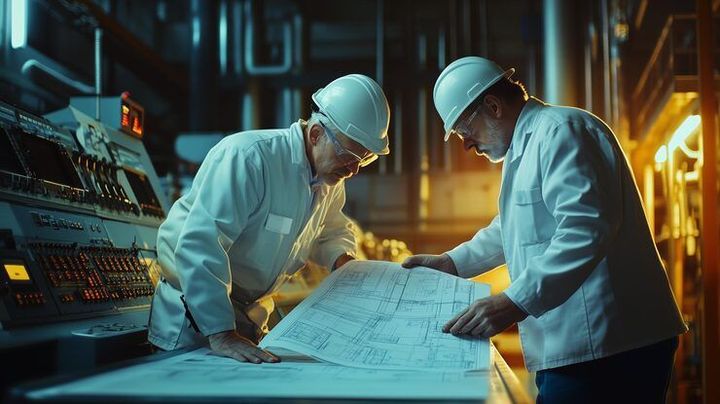
Industrial Project Operations Guide: Key Phases and Process Understanding
Industrial project operations refer to the structured processes used to plan, manage, and execute large-scale industrial activities. These projects can include manufacturing plant setups, infrastructure development, energy systems, and automation integration. The concept exists to ensure that complex operations involving multiple teams, timelines, and resources are completed efficiently and systematically.
At its core, industrial project operations combine technical planning, resource coordination, and performance monitoring. They involve defining objectives, allocating materials and manpower, scheduling tasks, and ensuring outcomes meet quality standards. These operations are essential in industries such as construction, oil and gas, manufacturing, and logistics.
Structured operational frameworks are necessary to prevent delays, inefficiencies, and safety risks. They ensure projects are executed consistently and reliably throughout the project lifecycle.
Why Industrial Project Operations Matter Today
Industrial project operations are critical in modern economies where projects are becoming more complex and interconnected. Effective operations ensure timely completion, scope adherence, and alignment with strategic goals.
Key Importance
- Improved Efficiency: Streamlines workflows, reduces waste, and optimizes resource use.
- Risk Management: Identifies potential risks and implements preventive measures.
- Quality Assurance: Ensures consistent output and compliance with technical requirements.
- Scalability: Enables replication of successful operational models across projects.
These operations impact engineers, project managers, policymakers, and industrial workers, helping to mitigate delays, budget overruns, and safety concerns.
Recent Updates and Trends in Industrial Project Operations (2025–2026)
Industrial project operations are evolving with technology adoption and sustainability priorities.
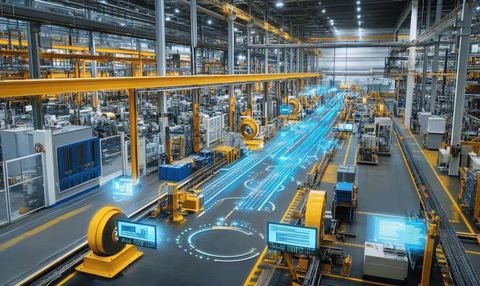
- Digital Transformation (2025): Project management software, real-time monitoring, and analytics platforms enhance decision-making.
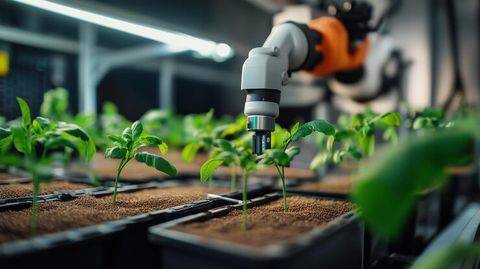
- Automation Integration (2025–2026): Robotics and automated systems improve efficiency and reduce manual intervention.
- Sustainability Focus (2026): Projects prioritize energy efficiency, waste reduction, and environmental impact assessments.
- Remote Collaboration Tools (2025): Cloud-based platforms support coordination across global teams.
- Predictive Analytics (2026): Advanced models forecast risks and optimize resource allocation.
Trend Table
| Trend | Description | Impact Level |
|---|---|---|
| Digital Tools | Software for planning and tracking | High |
| Automation | Use of machines and robotics | High |
| Sustainability | Eco-friendly practices | Medium |
| Remote Collaboration | Cloud-based teamwork platforms | High |
| Predictive Analytics | Data-driven forecasting and planning | Medium |
These trends indicate a shift toward smarter, more adaptive operational systems.
Laws, Regulations, and Policies Affecting Industrial Project Operations
Industrial project operations are governed by regulations that ensure safety, environmental protection, and compliance. In India, important frameworks include:
- Environmental Regulations: Compliance with Environmental Protection Act requirements.
- Labor Laws: Ensures worker safety, fair wages, and proper working conditions.
- Industrial Safety Standards: Guidelines for safe operational practices.
- Make in India Initiative: Encourages domestic manufacturing and impacts project planning.
- National Infrastructure Pipeline (NIP): Supports structured planning for large-scale infrastructure projects.
Organizations must align operations with these policies to ensure legality, safety, and sustainability.
Tools and Resources for Industrial Project Operations
A variety of tools support planning, tracking, and analysis for effective project operations.
Common Tools
- Project Management Software: Scheduling and task tracking
- Enterprise Resource Planning (ERP) Systems: Resource allocation and inventory management
- Computer-Aided Design (CAD) Software: Plant layout and modeling
- Data Analytics Platforms: Performance analysis and reporting
- Risk Assessment Tools: Identification and mitigation of potential risks
Tool Representation Table
| Tool Type | Purpose | Example Use Case |
|---|---|---|
| Project Software | Task scheduling & tracking | Timeline management |
| ERP Systems | Resource planning | Inventory and workforce |
| CAD Tools | Design and modeling | Plant layout design |
| Analytics Platforms | Data analysis | Performance evaluation |
These tools help organizations maintain control over complex processes and improve operational efficiency.
Frequently Asked Questions About Industrial Project Operations
What are industrial project operations?
Structured processes used to plan, execute, and manage large-scale industrial projects efficiently.
What industries use project operations?
Manufacturing, construction, energy, infrastructure, and logistics sectors.
Why are these operations important?
They ensure projects are completed on time, maintain quality standards, and reduce risks associated with complexity.
What skills are required for managing operations?
Planning, coordination, problem-solving, communication, and technical knowledge of the industry.
How is technology changing project operations?
Automation, real-time monitoring, data analysis, and collaborative platforms are making operations more efficient and accurate.
Conclusion
Industrial project operations form the backbone of modern industrial development. They provide a structured approach to managing complex projects, ensuring objectives are met efficiently and safely.
Advancements in digital tools, automation, and sustainability practices are reshaping operations, while regulations ensure alignment with safety and environmental standards. Understanding these fundamentals enables organizations and individuals to navigate complex projects effectively. With the right tools, knowledge, and strategies, industrial project operations drive productivity, innovation, and long-term success.