Industrial Safety Equipment: Complete Guide to Workplace Protection Systems
Industrial safety equipment plays a vital role in protecting workers, machinery, and workplace environments.
Whether in manufacturing plants, warehouses, construction sites, energy facilities, laboratories, or logistics centers, proper safety equipment helps reduce workplace hazards and supports safer daily operations.
Every workplace has potential risks such as falling objects, electrical hazards, chemical exposure, excessive noise, high temperatures, moving machinery, and airborne particles. Industrial safety equipment is designed to minimize these risks and improve overall workplace protection.
Today, workplace safety has become an important part of industrial management. Modern organizations invest in advanced workplace safety systems, personal protective equipment, industrial hazard protection, fire safety equipment, and emergency response planning to create safer working environments.
This guide explains industrial safety equipment, its types, working principles, applications, benefits, and future developments in simple and practical language.
Understanding the Concept
Industrial safety equipment includes protective tools, devices, and systems designed to reduce workplace accidents and protect employees from potential hazards.
Safety equipment can protect different parts of the body, monitor hazardous conditions, detect emergencies, and support safe operation of industrial machinery.
A complete workplace protection system often combines several layers of protection, including:
- Personal protective equipment (PPE)
- Fire protection systems
- Industrial safety barriers
- Gas detection equipment
- Emergency communication devices
- Machine safety systems
- Workplace monitoring equipment
Each type addresses specific workplace risks and works together to improve industrial safety.
For example, workers inside a chemical processing facility may wear safety helmets, protective gloves, chemical-resistant clothing, safety goggles, and respiratory protection while automated gas detectors continuously monitor air quality.
Key Types or Categories
Industrial safety equipment can be divided into several major categories.
Personal Protective Equipment (PPE)
Personal Protective Equipment protects workers from direct exposure to workplace hazards.
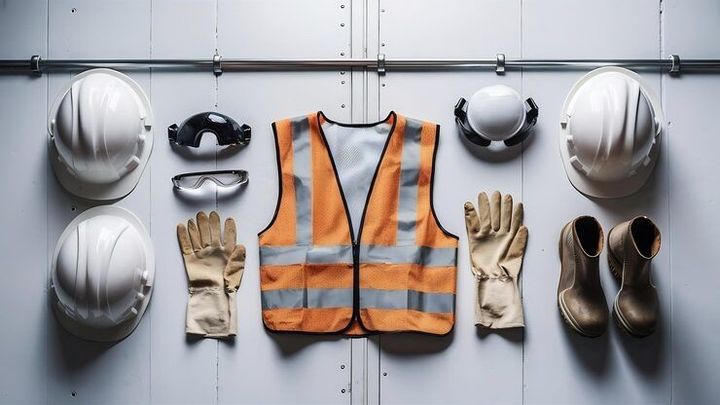
Common PPE includes:
- Safety helmets
- Safety glasses
- Face shields
- Protective gloves
- Steel-toe footwear
- High-visibility clothing
- Respiratory protection
- Hearing protection
Each item provides protection for a specific part of the body.
Fall Protection Equipment
Workers operating at elevated locations require fall protection equipment.
Examples include:
- Safety harnesses
- Lifelines
- Anchor points
- Guardrails
- Safety nets
These systems reduce injuries caused by falls.
Fire Safety Equipment
Fire protection equipment helps detect and control fire-related emergencies.
Common examples include:
- Fire extinguishers
- Fire alarms
- Smoke detectors
- Emergency lighting
- Fire suppression systems
- Fire-resistant storage cabinets
Quick detection allows faster emergency response.
Respiratory Protection
Airborne contaminants may include dust, smoke, fumes, vapors, or harmful particles.
Respiratory protection equipment includes:
- Disposable masks
- Half-face respirators
- Full-face respirators
- Powered air-purifying respirators
The appropriate equipment depends on the workplace environment.
Industrial Gas Detection Systems
Gas detection equipment continuously monitors hazardous gases.
Typical gases include:
- Carbon monoxide
- Hydrogen sulfide
- Oxygen deficiency
- Methane
- Ammonia
These monitoring systems alert workers before dangerous conditions develop.
Machine Safety Equipment
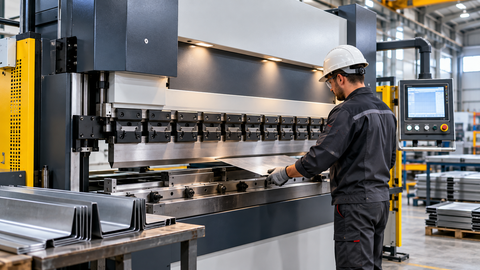
Industrial machines often include built-in safety features such as:
- Emergency stop buttons
- Safety interlock switches
- Light curtains
- Machine guards
- Safety sensors
These components reduce accidental contact with moving machinery.
Important Subsections
Head Protection
Safety helmets protect workers from falling tools, overhead materials, and accidental impacts.
Construction projects, warehouses, mining operations, and manufacturing facilities commonly require head protection.
Eye and Face Protection
Flying debris, sparks, chemicals, and dust may damage the eyes.
Eye protection includes:
- Safety goggles
- Protective glasses
- Welding shields
- Face shields
Proper eye protection reduces workplace injuries.
Hearing Protection
Industrial machinery often generates high noise levels.
Workers may use:
- Ear plugs
- Ear muffs
- Noise-reducing hearing protection
Long-term exposure to loud environments may affect hearing without proper protection.
Hand Protection
Different workplace activities require different glove materials.
Examples include:
- Chemical-resistant gloves
- Heat-resistant gloves
- Cut-resistant gloves
- Electrical insulation gloves
Selecting the correct glove depends on workplace hazards.
Foot Protection
Industrial footwear protects workers from:
- Heavy falling objects
- Sharp materials
- Slippery floors
- Electrical hazards
Steel-toe footwear is commonly used across many industries.
How It Works
Industrial safety equipment follows a structured protection process.
Step 1: Identify Workplace Hazards
Safety managers first evaluate potential workplace risks.
Examples include:
- Chemical exposure
- Electrical systems
- Heavy machinery
- Elevated work areas
- High temperatures
- Moving vehicles
Hazard identification forms the foundation of workplace safety planning.
Step 2: Select Appropriate Safety Equipment
Each hazard requires suitable protection.
For example:
| Workplace Hazard | Recommended Protection |
|---|---|
| Falling Objects | Safety Helmet |
| Flying Particles | Safety Goggles |
| Loud Machinery | Hearing Protection |
| Chemical Handling | Chemical-Resistant Gloves |
| Working at Heights | Fall Protection Harness |
| Dust Exposure | Respiratory Protection |
Step 3: Train Employees
Workers learn:
- Proper equipment usage
- Inspection procedures
- Emergency response
- Safe operating practices
Training improves confidence and reduces misuse.
Step 4: Daily Equipment Inspection
Safety equipment should be inspected regularly.
Workers check for:
- Cracks
- Wear
- Damage
- Missing components
- Expired safety devices
Routine inspections help maintain reliable protection.
Step 5: Continuous Monitoring
Industrial environments continuously monitor:
- Air quality
- Gas concentration
- Machine operation
- Fire detection
- Emergency alarms
Early warning systems improve workplace readiness.
Benefits and Advantages
Industrial safety equipment provides many practical advantages.
Better Worker Protection
Protective equipment reduces exposure to workplace hazards.
Workers perform daily tasks with greater confidence and improved protection.
Reduced Workplace Incidents
Safety equipment lowers the likelihood of accidents involving machinery, chemicals, fire, or falling objects.
Improved Operational Continuity
Safer workplaces experience fewer unexpected interruptions caused by accidents or equipment-related incidents.
Regulatory Compliance
Many industries follow occupational safety regulations requiring proper workplace protection systems and safety procedures.
Using suitable industrial safety equipment supports compliance with these requirements.
Greater Workplace Confidence
Employees often feel more comfortable working in environments that prioritize safety.
A strong safety culture encourages awareness and responsible behavior.
Better Emergency Preparedness
Emergency alarms, evacuation systems, fire detection equipment, and gas monitoring devices improve response during unexpected situations.
Real-World Examples or Applications
Industrial safety equipment is used across many industries.
Manufacturing Plants
Manufacturing facilities commonly use:
- Machine guards
- Safety sensors
- Protective helmets
- Eye protection
- Hearing protection
These tools reduce risks around production equipment.
Construction Sites
Construction workers frequently wear:
- Hard hats
- Safety boots
- High-visibility clothing
- Fall protection systems
These items protect workers in constantly changing environments.
Warehouses
Warehouse operations use:
- Reflective safety clothing
- Forklift warning systems
- Safety barriers
- Protective footwear
These measures improve pedestrian and vehicle safety.
Chemical Processing Facilities
Chemical plants often require:
- Respiratory protection
- Chemical-resistant clothing
- Gas detection systems
- Emergency showers
- Spill containment equipment
These systems help reduce chemical exposure.
Energy and Utility Facilities
Power generation facilities depend on:
- Electrical safety equipment
- Arc flash protection
- Flame-resistant clothing
- Insulated gloves
Workers handling high-voltage equipment require specialized protection.
Important Factors to Understand
Several important factors influence workplace safety.
Proper Equipment Selection
Different industries require different protective equipment.
Selecting equipment based on actual workplace hazards improves effectiveness.
Employee Training
Safety equipment provides maximum protection only when used correctly.
Regular education helps employees understand proper usage.
Maintenance
Protective equipment should remain clean, functional, and ready for daily use.
Damaged equipment should be replaced promptly.
Workplace Risk Assessment
Industrial environments change over time.
Adding new machinery, production processes, or materials may introduce additional hazards requiring updated safety measures.
Emergency Planning
Every workplace should establish emergency procedures covering:
- Fire response
- Medical emergencies
- Chemical spills
- Equipment failures
- Building evacuation
Prepared employees respond more effectively during emergencies.
Future Trends and Industry Insights
Industrial safety equipment continues evolving with modern technology.
Smart Personal Protective Equipment
Smart PPE now includes wearable technology capable of monitoring:
- Worker movement
- Body temperature
- Heart rate
- Fatigue indicators
- Environmental conditions
These features improve workplace awareness.
Artificial Intelligence Safety Monitoring
Artificial intelligence is helping identify unsafe workplace conditions using cameras, sensors, and predictive analysis.
Potential hazards may be identified before accidents occur.
Internet of Things Integration
Connected safety devices communicate through industrial networks.
Examples include:
- Smart helmets
- Connected gas detectors
- Wireless emergency alerts
- Environmental monitoring sensors
Real-time monitoring improves decision-making.
Advanced Industrial Sensors
Modern industrial sensors continuously monitor:
- Air quality
- Temperature
- Humidity
- Vibration
- Gas concentration
- Machine condition
Continuous monitoring supports proactive workplace protection.
Robotics and Automated Safety
Collaborative robots and automated machinery increasingly include built-in safety systems that detect nearby workers and automatically reduce movement when necessary.
This improves human-machine interaction.
Conclusion
Industrial safety equipment forms the foundation of workplace protection across manufacturing, construction, logistics, energy, chemical processing, and many other industries. From personal protective equipment and fire safety systems to gas detection, machine guarding, and emergency response equipment, every component contributes to a safer working environment.
Effective workplace protection combines appropriate equipment, regular inspections, employee training, hazard assessment, and continuous monitoring. Together, these elements help reduce workplace risks while supporting efficient industrial operations.
As technology advances, smart safety equipment, connected monitoring systems, artificial intelligence, and advanced industrial sensors will continue improving workplace safety. Understanding industrial safety equipment enables organizations and workers to build stronger safety practices and create workplaces that prioritize protection, awareness, and long-term operational reliability.