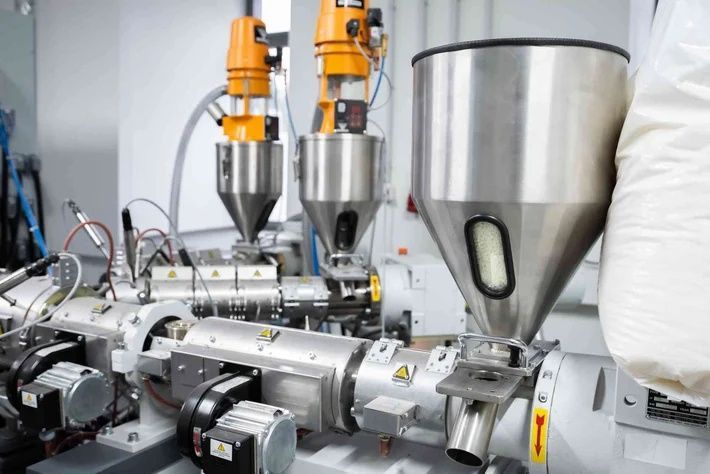
Plastic Extrusion Machines Explained: Process, Types & Applications
Plastic extrusion machines play a vital role in modern manufacturing by producing continuous plastic products with consistent dimensions and high production efficiency.
Industries such as packaging, construction, automotive, healthcare, agriculture, and consumer goods rely on plastic extrusion technology to manufacture pipes, tubing, sheets, films, profiles, cables, and numerous custom plastic components.
Modern plastic extrusion machines combine precision engineering, industrial automation, temperature control systems, and advanced processing technology to improve production quality and operational efficiency. Understanding how these machines operate, their components, production process, and industrial applications helps manufacturers optimize plastic processing while maintaining consistent product quality.
Understanding Plastic Extrusion Machines
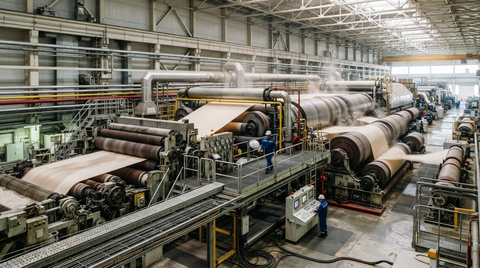
Plastic extrusion machines are industrial manufacturing systems that melt raw plastic materials and force them through a specially designed die to create continuous products with a uniform cross-section. The extrusion process supports high-volume production while maintaining dimensional accuracy and material consistency.
These machines are widely used for processing thermoplastics into products that require continuous lengths and precise shapes.
How Plastic Extrusion Technology Works
The extrusion process transforms plastic raw materials into finished products through a series of controlled manufacturing stages.
Material Feeding
Plastic pellets or granules are loaded into the hopper, where they enter the extrusion system for processing.
Plastic Melting
Inside the heated barrel, the extrusion screw rotates continuously, melting and mixing the plastic material using controlled heat and pressure.
Material Shaping
The molten plastic flows through a precision extrusion die that determines the final product profile.
Cooling Process
After leaving the die, the product passes through a controlled cooling system to stabilize its dimensions.
Product Pulling
A haul-off unit pulls the extruded product at a consistent speed to maintain uniform size and quality.
Cutting and Collection
The finished product is cut to the required length or wound onto rolls depending on the manufacturing application.
Main Components of Plastic Extrusion Machines
Every plastic extrusion machine consists of several integrated components.
Hopper
The hopper stores and feeds raw plastic materials into the extrusion system.
Extruder Barrel
The heated barrel gradually melts the plastic while maintaining consistent processing temperatures.
Extrusion Screw
The screw transports, compresses, mixes, and melts the plastic material before extrusion.
Heating System
Temperature-controlled heating zones ensure stable melting throughout the production process.
Extrusion Die
The die shapes molten plastic into the required profile, sheet, tube, film, or pipe.
Cooling System
Water baths, cooling tanks, or air-cooling systems solidify the product after extrusion.
Haul-Off Unit
The pulling system maintains consistent product speed and dimensional accuracy.
Cutting Equipment
Automatic cutting systems separate finished products according to production specifications.
Types of Plastic Extrusion Machines
Different extrusion machines are designed for specific manufacturing applications.
Single Screw Extrusion Machines
Single screw machines are widely used for general plastic processing and continuous production.
Twin Screw Extrusion Machines
Twin screw extrusion machines provide improved material mixing and are suitable for complex plastic formulations.
Pipe Extrusion Machines
These machines manufacture plastic pipes used in water distribution, drainage, irrigation, and industrial systems.
Film Extrusion Machines
Film extrusion equipment produces plastic films used in packaging, agriculture, and protective coverings.
Sheet Extrusion Machines
Sheet extrusion systems manufacture flat plastic sheets for construction, signage, packaging, and industrial applications.
Profile Extrusion Machines
Profile extrusion machines create custom plastic sections used in doors, windows, furniture, and building materials.
Materials Used in Plastic Extrusion
Plastic extrusion technology processes many thermoplastic materials.
Common materials include:
- Polyethylene (PE)
- Polypropylene (PP)
- Polyvinyl Chloride (PVC)
- Polystyrene (PS)
- Acrylonitrile Butadiene Styrene (ABS)
- Polycarbonate (PC)
- Nylon (PA)
- Thermoplastic Elastomers (TPE)
- Polyethylene Terephthalate (PET)
- High-Density Polyethylene (HDPE)
Material selection depends on product requirements and manufacturing specifications.
Industrial Applications
Plastic extrusion machines support manufacturing across numerous industries.
Common applications include:
- Plastic pipe manufacturing
- Packaging materials
- Cable insulation
- Window and door profiles
- Medical tubing
- Irrigation systems
- Automotive components
- Construction materials
- Plastic sheets
- Protective films
- Consumer products
- Agricultural equipment
These applications demonstrate the versatility of extrusion manufacturing.
Factors That Influence Production Quality
Several variables affect extrusion performance and product consistency.
- Material quality
- Extrusion temperature
- Screw speed
- Barrel pressure
- Cooling efficiency
- Die design
- Production speed
- Material moisture
- Machine calibration
- Process monitoring
Careful control of these factors helps improve manufacturing accuracy.
Common Production Challenges
Manufacturers may encounter several operational challenges.
- Uneven material flow
- Surface imperfections
- Dimensional variation
- Temperature fluctuations
- Material contamination
- Die wear
- Cooling inconsistencies
- Production interruptions
- Screw wear
- Product deformation
Routine monitoring helps minimize these challenges.
Maintenance Best Practices
Regular maintenance supports reliable machine performance and long equipment life.
Recommended practices include:
- Clean extrusion screws regularly.
- Inspect extrusion dies for wear.
- Verify heating system accuracy.
- Monitor cooling system performance.
- Lubricate moving components.
- Inspect electrical connections.
- Calibrate temperature sensors.
- Replace worn machine parts.
- Review production settings periodically.
- Maintain preventive maintenance schedules.
Consistent maintenance improves operational reliability and product quality.
Benefits
Plastic extrusion machines offer numerous manufacturing advantages.
- Support continuous high-volume production
- Improve precision plastic processing
- Produce consistent product dimensions
- Process a wide variety of thermoplastic materials
- Support industrial automation initiatives
- Improve manufacturing efficiency
- Enable flexible product designs
- Reduce production waste through optimized processing
- Deliver reliable product quality
- Support diverse industrial manufacturing applications
Frequently Asked Questions
What are plastic extrusion machines?
Plastic extrusion machines are industrial systems that melt plastic materials and shape them into continuous products using an extrusion die.
What products can be manufactured through plastic extrusion?
Common products include plastic pipes, sheets, films, tubing, cable insulation, profiles, packaging materials, and construction components.
What is the purpose of the extrusion screw?
The extrusion screw transports, compresses, mixes, and melts plastic materials before they pass through the extrusion die.
What materials are commonly processed?
Polyethylene, polypropylene, PVC, ABS, PET, nylon, polycarbonate, and several other thermoplastic materials are widely used.
Why is the cooling system important?
The cooling system stabilizes the extruded product, helping maintain its dimensions and structural quality.
Which industries use plastic extrusion machines?
Packaging, automotive, healthcare, construction, agriculture, electronics, and consumer goods manufacturing commonly use plastic extrusion technology.
Conclusion
Plastic extrusion machines have become an essential part of modern industrial manufacturing by enabling efficient, continuous production of high-quality plastic products. Through advanced extrusion technology, precision temperature control, industrial automation, and carefully engineered machine components, manufacturers can produce consistent pipes, sheets, films, tubing, and custom profiles for numerous industries. Understanding the extrusion process, machine operation, maintenance practices, and production variables helps improve manufacturing efficiency while supporting reliable product quality and long-term operational performance.