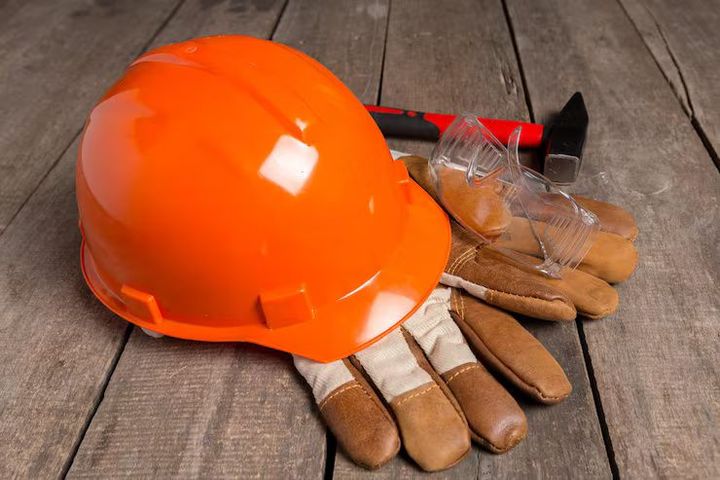
Industrial safety helmets are essential protective equipment designed to safeguard workers from head injuries in hazardous environments. They help reduce the risk of injury from falling objects, impacts, and electrical hazards.
These helmets are made using durable materials such as high-density polyethylene (HDPE), fiberglass, and thermoplastic polymers. Their construction allows them to absorb and distribute impact forces effectively, ensuring worker safety in demanding conditions.
Key Components of Industrial Safety Helmets
Industrial safety helmets are designed with multiple components that enhance both protection and comfort.
-
A rigid outer shell that deflects falling objects
-
An internal suspension system that absorbs shock
-
Adjustable headbands for proper fitting
-
Chin straps for stability and secure placement
-
Ventilation features to improve airflow and comfort
Modern helmets may also include accessories like face shields, ear protection, communication systems, and headlamps to improve usability in various work environments.
Why Industrial Safety Helmets Matter in Modern Workplaces
Workplace safety has become a global priority across industries. Industrial safety helmets play a vital role in preventing serious injuries and supporting occupational safety programs.
Head injuries are among the most severe workplace risks. Even minor falling objects can lead to significant harm without proper protection.
Common Workplace Risks Addressed
Industrial safety helmets help protect workers from several hazards:
-
Falling tools or materials
-
Contact with fixed structures such as beams or scaffolding
-
Electrical hazards in power-related environments
-
Exposure to construction debris or machinery components
Industry Applications
Industrial safety helmets are widely used across multiple sectors:
| Industry Sector | Common Helmet Usage |
|---|
| Construction | Protection from falling materials and scaffolding |
| Manufacturing | Protection from machinery and overhead equipment |
| Mining | Impact protection in underground environments |
| Energy and Utilities | Electrical hazard protection |
| Transportation Infrastructure | Worker safety during road and railway construction |
Beyond protection, helmets also support compliance with safety regulations and help identify roles through color coding in many workplaces.
Recent Developments in Industrial Safety Helmets
Recent advancements have significantly improved the design and performance of industrial safety helmets. Innovations focus on enhancing comfort, durability, and functionality.
Key Innovations
-
Lightweight composite materials that reduce fatigue
-
Improved ventilation systems for hot working environments
-
Integrated sensors to detect impacts or movement
-
Smart helmets with communication and monitoring features
Smart helmets are gaining popularity due to features like GPS tracking, environmental monitoring, and real-time safety alerts.
Another major development is the adoption of Type II helmets, which provide protection against both vertical and side impacts, offering improved safety compared to traditional designs.
Sustainability is also influencing manufacturing, with companies exploring recyclable materials and longer-lasting designs.
Regulations and Workplace Safety Standards
Industrial safety helmets are governed by strict regulations to ensure they meet safety requirements. These standards define testing methods, performance criteria, and classifications.
Common Global Safety Standards
| Standard Organization | Helmet Standard |
|---|
| OSHA (United States) | OSHA 29 CFR 1910.135 |
| ANSI (United States) | ANSI/ISEA Z89.1 |
| European Union | EN 397 Industrial Helmets |
| International | ISO 3873 |
Helmet Classifications
-
Type I helmets: Protect against impacts to the top of the head
-
Type II helmets: Protect against impacts to both top and sides
Electrical Protection Classes
-
Class G: General electrical protection
-
Class E: Protection for higher voltage exposure
-
Class C: No electrical protection (conductive helmets)
Employers are often required to provide appropriate head protection and integrate helmet use into broader workplace safety programs.
Useful Tools and Educational Resources
Organizations use various tools to manage safety helmet usage and compliance. These tools improve monitoring, documentation, and overall workplace safety.
Common Safety Tools
-
Digital PPE inspection checklists
-
Safety training platforms
-
Workplace hazard assessment templates
-
Incident reporting software
-
Compliance monitoring dashboards
These tools help safety managers ensure equipment is properly maintained and used correctly.
Safety Monitoring Metrics
| Safety Indicator | Purpose |
|---|
| PPE Compliance Rate | Tracks how consistently safety gear is used |
| Incident Frequency | Measures workplace accident trends |
| Inspection Records | Ensures equipment meets safety standards |
Data analytics tools are increasingly used to identify risks and prevent accidents before they occur.
Frequently Asked Questions About Industrial Safety Helmets
What is the main purpose of an industrial safety helmet?
Industrial safety helmets protect workers from head injuries caused by impacts, falling objects, and electrical hazards. They are a core part of personal protective equipment in hazardous workplaces.
How often should safety helmets be inspected?
Helmets should be inspected regularly for cracks, dents, or damage. Many organizations recommend checking before each use and conducting periodic formal inspections.
What materials are commonly used?
Common materials include high-density polyethylene (HDPE), fiberglass composites, and thermoplastic polymers. These materials provide strength while keeping the helmet lightweight.
What do helmet colors indicate?
Helmet colors often represent different roles such as engineers, supervisors, or safety officers. This improves visibility and coordination on job sites.
Are smart helmets becoming common?
Smart helmets are an emerging trend in industrial safety. They include features like sensors, communication tools, and environmental monitoring systems to enhance worker safety.
Conclusion
Industrial safety helmets remain a fundamental part of workplace safety across industries. They provide essential protection against head injuries and help organizations maintain compliance with safety regulations.
With advancements such as lightweight materials and smart technology, helmets are becoming more effective and user-friendly. At the same time, strict safety standards ensure consistent performance and reliability.
As industries continue to grow, maintaining strong safety practices is critical. Industrial safety helmets play a key role in creating safer and more secure working environments for everyone.