Industrial Safety Helmets Guide to Understanding Workplace Head Protection Standards
Protecting workers from head injuries is one of the most important aspects of workplace safety.
Across industries such as construction, manufacturing, mining, utilities, logistics, and infrastructure development, head protection plays a vital role in reducing the risk of serious injuries caused by falling objects, accidental impacts, or electrical hazards. Industrial safety helmets are designed to provide that protection while supporting comfort, visibility, and productivity throughout the workday.
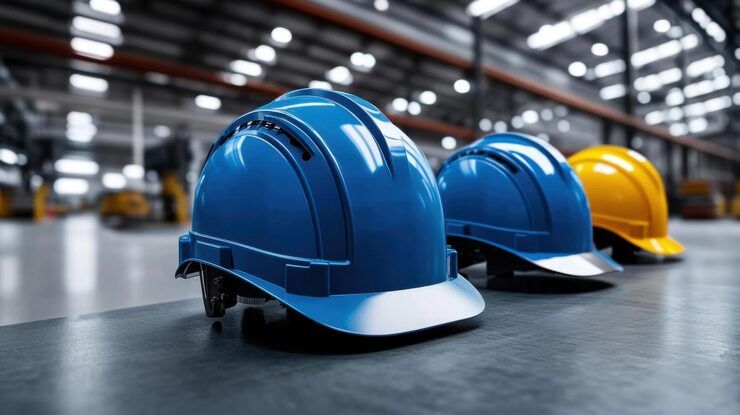
As workplaces become more advanced and safety regulations continue to evolve, modern safety helmets are no longer simple protective shells. Today's designs incorporate improved materials, adjustable suspension systems, ventilation, compatibility with additional protective equipment, and features that support long hours of use in demanding environments.
This guide explains how industrial safety helmets work, the workplace standards that influence their design, the different types available, and the factors organizations consider when selecting appropriate head protection as part of a comprehensive personal protective equipment program.
What Are Industrial Safety Helmets?
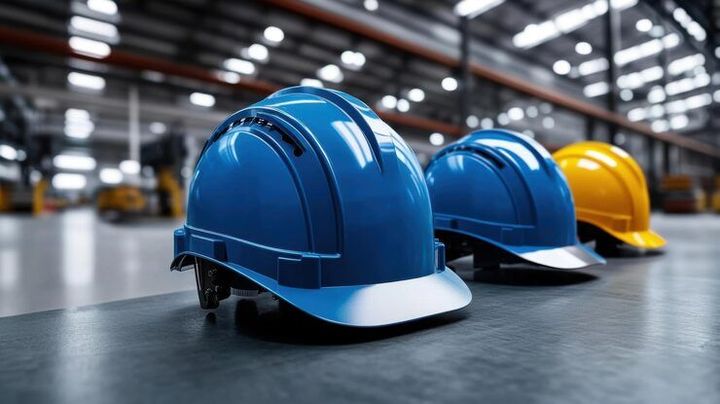
Industrial safety helmets are protective headgear designed to reduce the risk of head injuries caused by workplace hazards. They are a key component of personal protective equipment (PPE) and are commonly used in environments where workers may encounter falling objects, overhead obstacles, moving equipment, or electrical risks.
Unlike ordinary hats or sports helmets, industrial safety helmets are engineered to absorb impact energy and distribute force across the helmet structure, helping reduce the severity of injuries during workplace incidents.
Industrial safety helmets are widely used in:
- Construction sites
- Manufacturing facilities
- Warehouses
- Mining operations
- Utility maintenance
- Transportation infrastructure projects
- Oil and gas facilities
- Renewable energy installations
- Heavy engineering environments
Their primary purpose is to help protect workers while supporting safe operations across a wide range of industries.
Why Workplace Head Protection Matters
Head injuries can occur unexpectedly, even in well-managed workplaces. Objects may fall from elevated platforms, workers may strike fixed structures, or equipment may create impact hazards during routine operations.
Using appropriate safety helmets contributes to safer workplaces by helping to:
- Reduce the risk of head injuries
- Improve worker confidence
- Support workplace safety programs
- Encourage consistent PPE use
- Meet organizational safety requirements
- Promote a stronger safety culture
Head protection works most effectively when combined with hazard assessments, worker training, and safe work procedures.
How Industrial Safety Helmets Work
Although they appear simple, industrial safety helmets are carefully engineered to manage impact forces.
A modern helmet typically consists of two main protective systems.
The Outer Shell
The outer shell is made from durable materials that help resist penetration and distribute the force of an impact over a larger surface area. It also provides protection against minor abrasions and environmental exposure.
The Suspension System
Inside the helmet is a suspension harness that creates space between the shell and the wearer's head. During an impact, this system helps absorb and spread energy before it reaches the head.
The suspension also improves comfort by reducing direct pressure during extended wear.
Together, these components provide significantly greater protection than a rigid shell alone.
Key Components of Industrial Safety Helmets
Understanding the major parts of a safety helmet helps explain how each contributes to overall protection.
Protective Shell
The shell forms the outer structure and is designed to withstand workplace impacts while maintaining its shape under demanding conditions.
Suspension Harness
The suspension system absorbs impact forces and helps maintain a secure fit.
Headband
An adjustable headband allows workers to customize the helmet for comfort and stability throughout the workday.
Chin Strap
Some industrial environments require chin straps to help keep helmets securely positioned during movement, climbing, or windy conditions.
Sweatband
Sweatbands improve comfort by managing moisture and reducing irritation during prolonged use.
Accessory Mounts
Many modern helmets include attachment points for compatible face shields, hearing protection, communication devices, lighting systems, or eye protection.
Types of Safety Helmets
Different work environments require different forms of head protection. Selecting the appropriate helmet depends on the hazards identified during workplace risk assessments.
| Helmet Type | Primary Purpose | Typical Applications |
|---|---|---|
| General Industrial Helmets | Protection from impacts and falling objects | Manufacturing, warehouses, construction |
| Construction Safety Helmets | Protection during building and infrastructure work | Construction sites and civil engineering |
| Electrical Safety Helmets | Designed for environments with electrical hazards | Utility work and electrical maintenance |
| Climbing and Height Safety Helmets | Improved retention during movement | Telecommunications, towers, wind energy |
| Ventilated Helmets | Increased airflow for warm environments | Outdoor industrial operations where appropriate |
Each helmet type is designed to address specific workplace conditions rather than serving as a universal solution.
Understanding Workplace Head Protection Standards
Workplace head protection standards establish performance requirements that manufacturers follow when designing industrial safety helmets.
These standards typically evaluate factors such as:
- Impact resistance
- Penetration resistance
- Electrical insulation
- Retention system performance
- Structural durability
- Environmental resistance
- Labeling requirements
- Product testing methods
Employers use these standards to help ensure that helmets are appropriate for identified workplace hazards and suitable for their intended applications.
Rather than focusing solely on appearance, standards emphasize measurable performance under controlled testing conditions.
Choosing the Right Industrial Safety Helmet
Selecting suitable industrial safety equipment begins with understanding workplace hazards.
Several factors influence helmet selection.
Hazard Assessment
The first step is identifying the risks present within the work environment. Different industries expose workers to different types of hazards, making proper assessment essential.
Comfort
Workers are more likely to wear helmets consistently when they fit comfortably and remain stable throughout the day.
Features such as adjustable suspension systems, lightweight materials, and ventilation can improve long-term comfort.
Compatibility
Industrial safety helmets should work effectively with other personal protective equipment, including:
- Safety glasses
- Face shields
- Hearing protection
- Respiratory protection
- Communication equipment
Proper compatibility reduces interference between protective systems.
Environmental Conditions
Temperature, humidity, sunlight, rain, dust, and confined workspaces all influence helmet selection.
Modern helmet designs often address these environmental factors while maintaining protective performance.
Inspection and Maintenance
Even high-quality safety helmets require regular inspection to maintain effectiveness.
Workers should routinely examine helmets for:
- Cracks
- Deep scratches
- Dents
- Brittleness
- Discoloration
- Loose suspension components
- Damaged straps
- Deformed shells
Helmets showing signs of significant damage should be removed from service according to workplace procedures.
Proper storage also contributes to longer service life by reducing unnecessary exposure to excessive heat, chemicals, or prolonged ultraviolet radiation.
Common Workplace Mistakes to Avoid
Proper use of industrial safety helmets is just as important as selecting the correct equipment.
Some common mistakes include:
Wearing an Improperly Fitted Helmet
Loose helmets may shift during movement, reducing their protective performance.
Ignoring Visible Damage
Small cracks or damaged suspension systems can reduce a helmet's ability to absorb impact.
Using Helmets Beyond Their Intended Purpose
Different helmets are designed for different hazards. Selecting the wrong type may reduce protection.
Modifying the Helmet
Drilling holes, applying incompatible accessories, or making unauthorized modifications can affect structural integrity.
Neglecting Regular Inspections
Routine inspections help identify wear before it compromises worker safety.
The Role of Industrial Safety Equipment in Workplace Safety
Industrial safety helmets are only one part of a broader industrial safety equipment program.
Effective workplace protection often combines:
- Head protection
- Eye protection
- Hearing protection
- Respiratory protection
- Protective footwear
- High-visibility clothing
- Hand protection
- Fall protection systems
Together, these forms of personal protective equipment create multiple layers of protection that address a wide variety of workplace hazards.
Organizations that integrate PPE into comprehensive safety management systems generally achieve stronger workplace safety outcomes.
Future Trends in Safety Helmet Technology
Workplace safety continues to evolve alongside advances in materials science and digital technology.
Several trends are influencing the next generation of industrial safety helmets.
Lightweight Materials
New composite materials aim to improve protection while reducing helmet weight and improving wearer comfort.
Enhanced Comfort Systems
Improved suspension designs, moisture management, and ergonomic adjustments help support longer periods of continuous use.
Integrated Accessories
Modern helmets increasingly accommodate communication systems, lighting, hearing protection, and face protection through modular attachment systems.
Smart Safety Features
Some emerging helmet technologies incorporate sensors that monitor impacts, worker location, environmental conditions, or equipment usage to support workplace safety management.
As these technologies mature, they may further strengthen occupational health and safety practices across many industries.
Frequently Asked Questions
What are industrial safety helmets used for?
Industrial safety helmets help protect workers from head injuries caused by impacts, falling objects, overhead hazards, and certain workplace environmental risks.
Are construction safety helmets different from general safety helmets?
Construction safety helmets are designed specifically for construction-related hazards and may include features suited to building sites and infrastructure projects.
Why is the suspension system important?
The suspension system absorbs and distributes impact forces while maintaining space between the helmet shell and the wearer's head, improving both protection and comfort.
How often should safety helmets be inspected?
Helmets should be inspected regularly before use and as part of routine workplace safety procedures to identify damage, wear, or deterioration.
Can industrial safety helmets be used with other personal protective equipment?
Yes. Modern industrial safety helmets are commonly designed to work alongside safety glasses, hearing protection, face shields, respiratory equipment, and other PPE, provided they are compatible and properly fitted.
Conclusion
Industrial safety helmets remain one of the most important components of workplace head protection. By combining durable materials, energy-absorbing suspension systems, ergonomic design, and compatibility with other personal protective equipment, modern helmets help reduce the risk of head injuries across a wide range of industrial environments.
Understanding workplace head protection standards, selecting the appropriate helmet for specific hazards, and maintaining equipment through regular inspection all contribute to safer working conditions. As industrial safety equipment continues to evolve with advances in materials and smart technologies, safety helmets will remain a fundamental part of effective occupational health and safety programs, helping organizations protect workers while supporting a strong and proactive safety culture.