Complete Introduction to Ball Valves and Their Uses
Ball valves are among the most commonly used flow control devices in modern piping systems. They help regulate, start, or stop the movement of liquids and gases across a wide range of industrial, commercial, and residential applications. Their simple design, reliable sealing, and ease of operation make them suitable for many environments where dependable flow control is important.
Understanding ball valves is useful for engineers, maintenance teams, students, facility managers, and anyone interested in fluid handling systems. As industries continue to improve efficiency and safety, knowledge of ball valve types, functions, and applications remains valuable. This guide explains the basics, importance, recent developments, regulations, and helpful resources related to ball valves.
Context
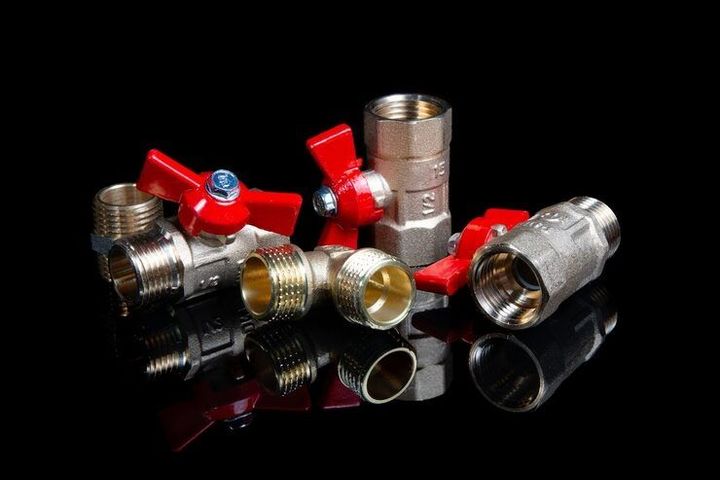
A ball valve is a quarter-turn valve that controls fluid flow using a spherical ball with a hole through its center. When the hole aligns with the pipeline, fluid passes through. Rotating the handle by 90 degrees turns the ball so the opening is perpendicular to the pipeline, stopping the flow.
Ball valves have been used for many decades because of their durable construction and dependable sealing performance. They are manufactured in different materials such as stainless steel, brass, bronze, cast iron, carbon steel, and plastic to match different operating conditions.
Their primary purpose is to provide efficient on-off flow control. Although some specialized designs can regulate flow, standard ball valves are mainly intended for fully open or fully closed operation.
Common Types of Ball Valves
- Floating ball valve
- Trunnion mounted ball valve
- Full port ball valve
- Reduced port ball valve
- Three-way ball valve
- Multi-port ball valve
- Manual ball valve
- Electric ball valve
- Pneumatic ball valve
Basic Components
| Component | Purpose |
|---|---|
| Valve body | Holds all internal parts together |
| Ball | Controls the flow of fluid |
| Stem | Connects the handle to the ball |
| Seats | Create a tight seal around the ball |
| Handle or actuator | Opens or closes the valve |
| Seals | Prevent external leakage |
Importance
Ball valves play an important role in maintaining efficient and safe fluid transportation systems. Their ability to provide quick shut-off helps reduce leakage and improves operational control across different industries.
Many sectors rely on ball valves every day, including:
- Oil and gas
- Water treatment
- Chemical processing
- Food and beverage production
- Pharmaceutical manufacturing
- Power generation
- HVAC systems
- Marine applications
- Agriculture and irrigation
- Residential plumbing
Their compact design allows installation where space is limited. Because they require only a quarter turn to operate, they are easier to use than many traditional valve designs.
Ball valves also contribute to system efficiency by reducing pressure loss when fully open, especially full port designs. This characteristic helps maintain consistent flow while lowering unnecessary resistance within pipelines.
Proper material selection is equally important. Stainless steel valves often perform well in corrosive environments, while brass valves are widely used in plumbing applications. Plastic ball valves are common where chemical resistance and lightweight construction are priorities.
Recent Updates
The ball valve industry has continued to evolve between 2024 and 2026 as manufacturers focus on automation, sustainability, digital monitoring, and improved materials.
One noticeable trend is the increased adoption of smart valve technology. Modern automated ball valves can communicate with industrial monitoring systems, allowing operators to monitor valve status remotely and improve maintenance planning.
Another development involves advanced sealing materials that improve durability under higher temperatures and pressures. Improved polymers and engineered sealing compounds help extend operational life while reducing maintenance requirements.
Automation continues to expand through electric and pneumatic actuators. These systems enable precise control in industrial facilities where manual operation may not be practical.
Digital maintenance is also becoming more common. Sensors can detect valve position, operating cycles, and abnormal conditions, supporting predictive maintenance strategies.
Manufacturers are also placing greater emphasis on energy-efficient production methods and recyclable materials to support broader environmental goals.
Laws or Policies
Ball valves themselves are not usually regulated by one single law. Instead, they are manufactured and used according to engineering standards, safety regulations, and industry-specific requirements.
Several international standards help ensure quality, performance, and compatibility.
Common Standards
- API standards for petroleum and natural gas applications
- ASME standards for piping systems
- ISO standards for quality management and valve testing
- ANSI dimensional and pressure classifications
- MSS standards for valve manufacturing
Many countries also require pressure equipment to comply with local safety regulations before installation.
Industries such as pharmaceuticals, food processing, drinking water systems, and chemical plants often follow additional hygiene, environmental, and safety requirements depending on regional regulations.
Organizations should regularly inspect valves according to maintenance schedules and applicable engineering codes to maintain safe operation throughout their working life.
Tools and Resources
Several educational resources help users understand ball valve selection, maintenance, sizing, and installation.
Useful resources include:
- Manufacturer technical catalogs
- Valve sizing calculators
- Engineering handbooks
- CAD drawing libraries
- Material compatibility charts
- Pressure and temperature reference tables
- Industrial standards documentation
- Training platforms for piping and instrumentation
Many engineering software platforms also include valve libraries that assist with piping design and equipment selection.
Before selecting a valve for any application, users should compare operating pressure, temperature range, media compatibility, connection type, and material specifications using reliable technical references.
FAQs
What is a ball valve used for?
A ball valve is mainly used to start or stop the flow of liquids or gases in pipelines. It is commonly installed in industrial systems, plumbing networks, water treatment facilities, and manufacturing plants.
Why is it called a ball valve?
The valve contains a spherical ball with a hole through its center. Rotating the ball changes the flow path, allowing or blocking fluid movement.
What materials are commonly used for ball valves?
Common materials include stainless steel, brass, carbon steel, bronze, PVC, CPVC, and other engineering plastics depending on the intended application.
Can a ball valve regulate flow?
Standard ball valves are designed primarily for full open or full closed positions. While some specialized designs can assist with flow regulation, continuous throttling may reduce valve life.
How often should ball valves be inspected?
Inspection frequency depends on operating conditions, industry standards, and maintenance programs. Critical systems generally require more frequent inspections than low-demand applications.
Conclusion
Ball valves remain one of the most widely used valve types because they combine simple operation with reliable flow control. Their versatility allows them to support numerous industries ranging from residential plumbing to complex industrial processing facilities.
Ongoing developments in automation, digital monitoring, and improved materials continue to increase their reliability and operational efficiency. Understanding the different valve types, applications, standards, and maintenance considerations helps users make informed engineering decisions.
As industrial systems continue to modernize, ball valves will remain an essential component in safe and efficient fluid handling. Learning the fundamentals of their design and operation provides a strong foundation for anyone working with piping systems or industrial equipment.
Staying informed about current standards, material innovations, and maintenance practices supports long-term system performance while promoting operational safety.