Waterproof Building Materials Overview for Modern Structures
Waterproof building materials are designed to limit the movement of water and moisture into structural components.
They developed from traditional methods such as dense masonry, natural oils, bitumen, and layered roofing, while modern construction now uses engineered membranes, coatings, insulation, and chemical treatments.
Waterproof construction materials are used in roofs, foundations, basements, walls, balconies, bathrooms, tunnels, and other areas exposed to moisture. Building waterproofing systems may combine several materials because water can enter through cracks, joints, porous surfaces, and connections between different building elements.
Common Material Types
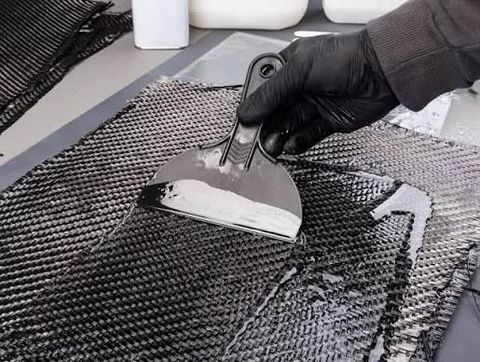
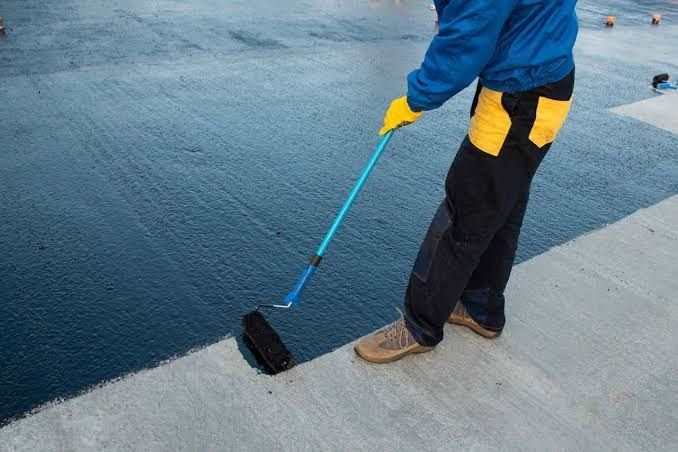
A waterproofing membrane creates a continuous barrier across a surface. Liquid waterproofing membrane products are applied in fluid form and then form a protective layer after curing. Sheet membranes, cement-based compounds, waterproof construction chemicals, and waterproof coating for concrete are also widely used.
| Material Type | Common Application | Main Function |
|---|---|---|
| Sheet membrane | Roofs and foundations | Forms a continuous water barrier |
| Liquid membrane | Balconies and complex surfaces | Covers irregular shapes and joints |
| Cement-based material | Concrete and masonry | Reduces water penetration |
| Protective coating | Exterior walls and concrete | Limits surface moisture entry |
| Waterproof insulation | Roofs and walls | Combines moisture control with thermal performance |
Importance
Water can gradually affect concrete, steel reinforcement, insulation, paint, flooring, and indoor finishes. Foundation waterproofing and basement waterproofing systems help manage groundwater and soil moisture, while roof waterproofing materials protect upper parts of a structure from rain and standing water.
Concrete waterproofing is also important because concrete contains pores and may develop small cracks over time. Moisture entering these openings can contribute to corrosion of embedded steel, surface deterioration, staining, and damp indoor conditions.
Areas Commonly Affected by Moisture
Commercial waterproofing solutions and industrial waterproofing products are often used in larger buildings where roofs, underground structures, equipment areas, and exterior surfaces may face repeated exposure to water. In homes, moisture control commonly focuses on bathrooms, terraces, roofs, basements, and external walls.
Exterior wall waterproofing can reduce rain penetration through porous masonry and small surface defects. Waterproof insulation materials can also support both moisture management and thermal control when they are correctly integrated into the building envelope.
Recent Updates
From 2024 through 2026, the general direction in waterproofing has focused on durability, easier application, material efficiency, and environmental considerations. Manufacturers and construction researchers continue to develop lower-emission formulations, improved liquid membranes, and systems designed for complex building shapes.
Sustainable waterproof materials are receiving greater attention as construction projects examine material life cycles, energy use, repair frequency, and environmental impact. Another trend is the closer integration of waterproofing with insulation, drainage, roofing, and building-envelope design.
Digital moisture meters, thermal imaging, and building information modeling are also becoming more common in planning and inspection. These tools can help identify moisture patterns, coordinate material layers, and document areas that may require further examination.
Laws or Policies
In India, waterproofing is influenced by building codes, structural standards, environmental requirements, and local construction rules. The National Building Code of India provides broad guidance for building safety, materials, drainage, roofs, basements, and protection from moisture.
Construction projects may also need to follow relevant standards published by the Bureau of Indian Standards. Requirements can vary according to building type, location, structural design, fire safety, drainage conditions, and local authority rules.
Waterproofing materials used in a structure should also be considered in relation to product specifications, compatibility, surface preparation, and applicable environmental requirements. Larger commercial and industrial projects may involve additional documentation and technical inspection procedures.
Tools and Resources
Several tools and reference materials can support the planning and evaluation of building waterproofing systems:
- Moisture meters help detect moisture levels in walls, floors, and other building materials.
- Thermal imaging cameras can reveal temperature patterns that may indicate damp areas or insulation irregularities.
- Coverage calculators help estimate the quantity of membrane or coating needed for a measured surface.
- Technical data sheets explain application thickness, curing conditions, surface preparation, and material compatibility.
- Building information modeling platforms help coordinate waterproofing layers with structural, roofing, drainage, and insulation components.
- National building codes and technical standards provide reference information for construction planning and material use.
These resources support informed evaluation, but site conditions, climate, substrate type, and structural design can affect how waterproofing materials perform.
FAQs
What are waterproof building materials?
Waterproof building materials are products designed to reduce or prevent water penetration into parts of a structure. Examples include membranes, coatings, cement-based compounds, treated insulation, and specialized construction chemicals.
How does a waterproofing membrane work?
A waterproofing membrane forms a continuous barrier between water and the underlying building surface. It may be installed as a sheet or applied as a liquid that cures into a seamless layer.
Where are basement waterproofing systems commonly used?
Basement waterproofing systems are commonly used on below-ground walls, floors, joints, and foundation areas exposed to soil moisture or groundwater. They may include membranes, drainage layers, coatings, and joint treatments.
What is the purpose of concrete waterproofing?
Concrete waterproofing limits water movement through pores, joints, and small cracks. It can help protect structural components and interior spaces from moisture-related deterioration.
Are sustainable waterproof materials different from conventional materials?
Sustainable waterproof materials generally focus on factors such as material composition, emissions, durability, resource use, and compatibility with energy-efficient construction. Their suitability still depends on the structure, climate, and application area.
Conclusion
Waterproof building materials are an important part of modern construction because they help control moisture in roofs, foundations, basements, walls, and concrete structures. Modern systems include membranes, coatings, insulation materials, and chemical treatments designed for different exposure conditions. Current developments emphasize durability, material efficiency, integrated building design, and environmental considerations. Understanding the function of each material helps explain how waterproofing contributes to long-term building performance.