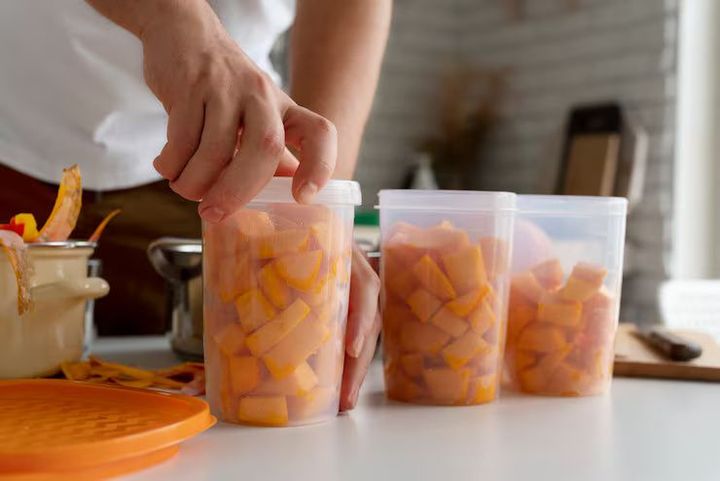
A Professional Guide to Food Preservation Systems: Advanced Technologies and Best Practices
Food preservation systems are methods and technologies used to slow spoilage and help food remain usable for a longer period. These systems have existed for centuries in basic forms such as drying, salting, smoking, and cooling.
Modern food preservation systems now include controlled environments, mechanical processing, and packaging methods that help manage temperature, moisture, and air exposure.
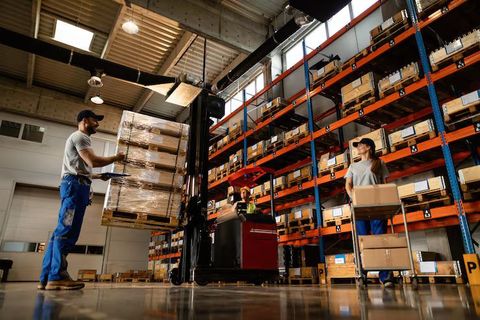
Industrial food preservation equipment is used in food production plants, storage facilities, distribution centers, and packaging operations. These systems support handling of fresh, frozen, dried, and packaged food products at different stages of the supply chain.
The basic idea behind preservation is simple: reduce the conditions that allow food to deteriorate. That may involve lowering temperature, removing moisture, limiting oxygen, or using packaging that slows quality loss.
How Preservation Methods Developed
Early preservation depended on natural conditions such as sunlight, salt, or cold weather. As food production became more industrialized, commercial food preservation systems were developed to handle larger quantities of food in controlled settings.
Over time, equipment became more specialized. Vacuum food preservation machines, food cold storage systems, food dehydration equipment, and freeze drying machines for food now support different preservation needs across many sectors.
Common Preservation Approaches
Food preservation methods usually fall into several broad categories:
- Cold storage and refrigeration
- Freezing
- Vacuum packaging
- Drying and dehydration
- Freeze drying
- Controlled-atmosphere packaging
- Heat treatment and sealing
- Moisture and air control
Food packaging preservation technology often combines several of these methods within one system.
Importance
Why Food Preservation Matters
Food preservation matters because many foods spoil naturally over time. Microorganisms, moisture, oxygen, heat, and light can all affect food quality. Preservation helps reduce waste, support transport, and maintain usable food for longer periods.
This topic affects households, farms, food factories, grocery systems, hospitals, hotels, restaurants, and public institutions. It also affects the wider supply chain that moves food from production to consumption.
Supporting Food Supply Chains
Food is often produced in one location and consumed in another. That means it may need to travel, wait in storage, or pass through several handling stages before it reaches the final user.
Food cold storage systems help preserve perishable goods during this journey. Refrigeration and freezing slow down spoilage and are especially important for dairy, meat, seafood, fruits, vegetables, and ready-to-eat meals.
Reducing Waste
A large amount of food waste occurs because products spoil before they are used. Preservation systems help reduce that problem by extending storage time under controlled conditions.
Industrial food preservation equipment can support more efficient handling of surplus harvests, seasonal produce, and packaged foods. In some settings, better preservation also helps organizations organize stock more effectively.
Food Safety and Quality
Preservation methods support food safety by helping limit conditions that allow rapid deterioration. They also help maintain texture, color, flavor, and nutritional quality, depending on the food and method used.
Different foods need different handling. A method that works well for grains may not be suitable for fresh produce or prepared meals.
Industrial and Commercial Use
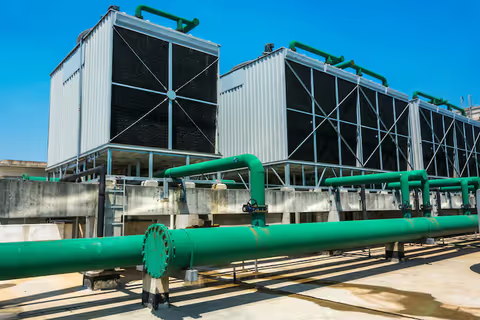
Commercial food preservation systems are used in large food plants and storage facilities where many products must be handled consistently. These systems often work alongside packaging lines, cold rooms, and transport systems.
Food packaging preservation technology is especially important where food must remain sealed, dry, or protected from air exposure.
Major Types of Food Preservation Systems
Cold Storage and Freezing
Food cold storage systems include refrigerated rooms, cold warehouses, blast chillers, and freezers. These systems keep food at lower temperatures to slow microbial growth and chemical changes.
They are widely used for fresh produce, dairy products, frozen meals, and meat products.
Vacuum Packaging
Vacuum food preservation machines remove much of the air from a package before sealing it. This helps reduce oxygen exposure, which can slow some forms of spoilage.
Vacuum packaging is used for many foods, including meat, cheese, coffee, and prepared meals.
Dehydration
Food dehydration equipment removes moisture from food so microorganisms have less opportunity to grow. Drying methods may use heat, air movement, or specialized chambers.
Dried fruits, grains, herbs, and powdered food products often rely on this method.
Freeze Drying
Freeze drying machines for food remove moisture after food has been frozen. This process is used for some high-value foods and ingredients because it can help preserve shape and texture while lowering water content.
Freeze drying is often used for space food, specialty foods, and certain commercial ingredients.
Packaging-Based Preservation
Food packaging preservation technology includes materials and systems that protect food from moisture, oxygen, and contamination. Examples include sealed pouches, modified atmosphere packaging, and multilayer barriers.
Packaging and preservation often work together rather than separately.
Combined Industrial Systems
Some facilities use several preservation methods together. For example, food may be chilled, vacuum sealed, and stored in temperature-controlled spaces before distribution.
These combinations are common in advanced food processing operations.
Common Preservation Methods and Their Main Uses
| Preservation Method | Main Function | Common Food Types |
|---|---|---|
| Cold storage | Lowers temperature to slow spoilage | Fresh produce, dairy, meat |
| Vacuum sealing | Reduces air exposure | Cheese, coffee, prepared foods |
| Dehydration | Removes moisture | Fruits, grains, herbs |
| Freeze drying | Removes moisture after freezing | Specialty foods, ingredients |
| Controlled packaging | Protects from air and moisture | Packaged foods |
| Freezing | Preserves food for longer storage | Meat, seafood, cooked meals |
Recent Updates
Greater Use of Automation
Recent developments in food preservation systems have focused on automated controls. Temperature monitoring, humidity sensing, and digital recordkeeping are now more common in commercial and industrial settings.
Automation helps maintain more consistent operating conditions across large storage and processing facilities.
Better Energy Management
Food cold storage systems now increasingly include energy-monitoring features and improved insulation materials. These changes help facilities manage power use more efficiently while maintaining stable storage conditions.
This matters because refrigeration and freezing are major energy users in the food sector.
Expansion of Packaging Technology
Food packaging preservation technology continues to develop through improved barrier films, sealing methods, and smart labeling systems. These changes help support freshness, traceability, and organized inventory handling.
Packaging now often plays a more active role in preservation than in earlier years.
More Use of Advanced Drying Methods
Interest in dehydration and freeze drying has grown in some sectors because these methods can support storage without continuous refrigeration. Food dehydration equipment and freeze drying machines for food are now used in more food processing and ingredient operations.
Focus on Data and Monitoring
Advanced food preservation technologies often include software tools that record temperatures, alarms, storage times, and equipment performance.
This data helps operators understand how preservation systems are working over time.
Laws or Policies
Food Safety Rules
Food preservation systems operate within food safety regulations that vary by country. These rules usually address hygiene, temperature control, packaging standards, and handling procedures.
Food businesses are typically expected to maintain conditions that reduce contamination risk and preserve product quality.
Storage and Transport Regulations
Many countries regulate the storage and movement of food products, especially perishable items. These rules may require specific temperatures, labeling, and documentation.
Food cold storage systems and transport refrigeration often need to align with these requirements.
Packaging Regulations
Packaging materials used in food packaging preservation technology may be subject to rules related to material safety, labeling, and contact with food. These requirements help support safe and consistent product handling.
Environmental and Waste Rules
Food preservation systems may also be influenced by environmental policies. These can relate to energy use, refrigerant management, packaging waste, and food waste reduction.
Commercial food preservation systems often need to function within these broader sustainability expectations.
Tools and Resources
Temperature Monitoring Systems
Digital thermometers, data loggers, and automated alerts help track storage and processing conditions. These tools are useful in both cold storage and packaging environments.
Food Safety Guidelines
Government and industry food safety documents explain handling, storage, and packaging practices. They help organizations understand general preservation requirements.
Packaging Design Software
Packaging tools help model barrier layers, sealing patterns, and container shapes. They are often used in food packaging preservation technology planning.
Inventory and Warehouse Management Systems
Software platforms can track stock movement, shelf time, and storage location. These systems are important in large food distribution operations.
Technical Manuals and Training Guides
Equipment manuals provide operating instructions, cleaning procedures, and maintenance points for industrial food preservation equipment. Training materials help staff understand safe operation and routine checks.
FAQs
What are food preservation systems?
Food preservation systems are methods and technologies used to slow spoilage and help food stay usable for a longer period through temperature control, drying, sealing, or packaging.
How do industrial food preservation equipment systems work?
Industrial food preservation equipment systems work by controlling conditions such as temperature, moisture, and air exposure so food quality changes more slowly during storage and processing.
What is the role of vacuum food preservation machines?
Vacuum food preservation machines remove most of the air from a package before sealing it, which can help reduce oxygen exposure and slow some forms of spoilage.
Why are food cold storage systems important?
Food cold storage systems are important because low temperatures slow microbial activity and help preserve fresh, refrigerated, and frozen foods during storage and transport.
What do freeze drying machines for food do?
Freeze drying machines for food remove moisture after food has been frozen, producing a dry product that can be stored for long periods under suitable conditions.
Conclusion
Food preservation systems support the storage, transport, and handling of many different kinds of food. Industrial food preservation equipment, food cold storage systems, vacuum food preservation machines, and food packaging preservation technology all serve different preservation needs. Recent developments in automation, monitoring, and energy management continue shaping the field. Understanding these systems helps explain how modern food supply networks reduce waste and maintain product quality.