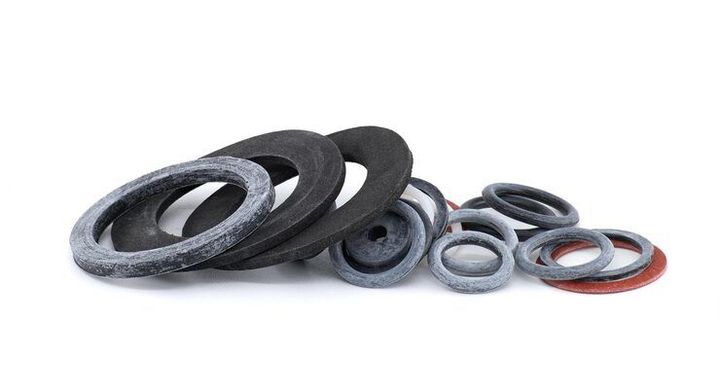
Industrial Sealing Rings: A Complete Guide to Reliable Sealing Solutions
Industrial sealing rings are essential components that help contain liquids, gases, and other materials within mechanical systems. Industrial sealing ring manufacturers develop products that prevent leakage, reduce contamination, and support reliable equipment operation across many industries.
The use of seals dates back to early engineering systems that relied on leather, natural fibers, and simple rubber compounds. As industrial technology advanced, manufacturers introduced synthetic elastomers, metal alloys, and composite materials capable of performing under higher pressures and temperatures.
Today, industrial O-ring suppliers and industrial gasket and seal manufacturers contribute to sectors such as manufacturing, energy generation, mining, transportation, food processing, and water treatment. High performance sealing rings are designed to function in environments involving chemicals, vibration, moisture, and extreme operating conditions.
OEM sealing ring suppliers often work within broader equipment ecosystems. Turnkey sealing system solutions may include multiple components that function together to maintain system integrity throughout complex industrial processes.
What Is a Sealing Ring?
A sealing ring creates a barrier between two surfaces. This barrier limits the movement of fluids, gases, dust, or contaminants.
Depending on the application, sealing rings may be made from rubber compounds, metals, plastics, or combinations of different materials.
Common Types of Industrial Seals
Several categories are widely used across industrial environments:
- O-rings for hydraulic and pneumatic systems.
- Mechanical seals for pumps and rotating equipment.
- Gaskets for flanged connections.
- Lip seals for rotating shafts.
- Metal sealing rings for high-temperature applications.
Each type addresses particular operational requirements.
Importance
Preventing Leakage
One of the primary functions of industrial seals is preventing unwanted leakage.
Without proper sealing, machinery may lose fluids or allow contaminants to enter critical systems.
Supporting Equipment Reliability
High performance sealing rings help maintain stable operating conditions.
Reliable sealing contributes to smoother mechanical operation and reduced interruptions.
Protecting Environmental Quality
Industrial facilities often handle chemicals, oils, gases, and process fluids.
Effective sealing technologies help limit accidental releases into surrounding environments.
Improving Workplace Safety
Leaks involving hot liquids, pressurized gases, or chemical substances can create hazards.
Industrial sealing systems contribute to safer working conditions by helping contain these materials.
Extending Equipment Lifespan
When contaminants remain outside mechanical systems, components such as bearings, pumps, and valves may experience less wear.
This supports longer operational life for industrial equipment.
Materials Used in Sealing Rings
Rubber-Based Materials
Synthetic rubber compounds remain among the most common sealing materials.
Examples include nitrile, EPDM, silicone, and fluorocarbon elastomers.
Metal Seals
Metal sealing rings are suitable for demanding conditions involving elevated temperatures and high pressures.
These materials appear in energy generation, aerospace, and heavy manufacturing environments.
Plastic and Polymer Materials
Engineered plastics provide chemical resistance and dimensional stability.
Polytetrafluoroethylene and other advanced polymers are frequently used in industrial systems.
Composite Structures
Some applications combine multiple materials within a single sealing solution.
Composite designs can balance flexibility, strength, and environmental resistance.
Applications Across Industries
Manufacturing Facilities
Factories use sealing rings in pumps, compressors, conveyors, and automated machinery.
Industrial gasket and seal manufacturers support these varied requirements through specialized designs.
Mining Operations
Mining environments involve dust, vibration, and heavy loads.
Sealing technologies help protect equipment from contamination and material intrusion.
Energy Production
Power plants depend on effective sealing within turbines, pumps, pipelines, and cooling systems.
Reliable containment contributes to stable operations.
Water Treatment Infrastructure
Water treatment facilities use seals throughout filtration equipment, valves, and pumping stations.
Moisture resistance is particularly important in these settings.
Food Processing
Food-related equipment often requires materials compatible with hygiene standards and cleaning procedures.
Specialized sealing compounds support these operational needs.
Common Seal Types and Applications
| Seal Type | Typical Material | Common Applications |
|---|---|---|
| O-Ring | Nitrile or silicone | Hydraulic systems |
| Mechanical Seal | Carbon and metal | Industrial pumps |
| Gasket | Composite materials | Pipe connections |
| Lip Seal | Elastomers | Rotating shafts |
| Metal Ring Seal | Stainless alloys | High-pressure equipment |
The diversity of seal types reflects the broad range of industrial requirements.
Importance of Industrial O-Rings
Hydraulic Equipment
Industrial O-ring suppliers support hydraulic systems used in construction equipment, manufacturing machinery, and transportation infrastructure.
These seals help contain pressurized fluids.
Pneumatic Systems
Compressed air equipment relies on effective sealing to maintain operational efficiency.
O-rings play an important role in these systems.
Chemical Processing
Chemical environments require materials with strong resistance to aggressive substances.
Material compatibility is a major consideration during seal selection.
Water Management Applications
Pipelines, treatment plants, and distribution systems depend on reliable sealing technologies.
Moisture exposure influences material performance over time.
Recent Updates
Advanced Material Research
Between 2024 and 2026, industrial sealing ring manufacturers continued developing materials capable of functioning under increasingly demanding conditions.
Research has focused on chemical resistance, thermal stability, and durability.
Smart Monitoring Technologies
Some industrial systems now include sensors that monitor pressure, temperature, and equipment performance.
These technologies support broader maintenance planning efforts.
Greater Precision Manufacturing
Automated production methods contribute to tighter dimensional control.
Precision helps ensure compatibility between seals and mechanical assemblies.
Sustainability Initiatives
Manufacturers are exploring recyclable materials and processes that reduce resource consumption.
Environmental considerations continue influencing industrial design practices.
Digital Engineering Tools
Computer modeling and simulation programs assist engineers in evaluating sealing performance before production begins.
Virtual testing supports informed design decisions.
Laws or Policies
Workplace Safety Regulations
Many countries maintain occupational safety rules concerning machinery operation and fluid containment.
Effective sealing contributes to compliance with these requirements.
Environmental Protection Frameworks
Industrial facilities must often manage emissions and prevent unintended releases.
Sealing technologies help support these environmental objectives.
Pressure Equipment Standards
Systems operating under pressure typically follow recognized engineering standards.
Seals used within such equipment must function within established design parameters.
Food and Pharmaceutical Guidelines
Certain applications require materials compatible with health and sanitation regulations.
These guidelines influence material selection and manufacturing practices.
International Technical Standards
Industrial gasket and seal manufacturers commonly reference international standards covering dimensions, testing methods, and material properties.
These frameworks encourage consistency across industries.
Tools and Resources
Computer-Aided Design Software
Engineering platforms allow designers to model seal geometry and evaluate compatibility with surrounding components.
Digital tools support accurate planning.
Material Selection Databases
Reference databases provide information about chemical resistance and environmental performance.
Engineers consult these resources during equipment development.
Condition Monitoring Platforms
Digital systems track operational variables such as pressure, vibration, and temperature.
Collected information supports maintenance activities.
Technical Standards Organizations
Professional organizations publish guidance related to sealing technologies and industrial engineering practices.
These publications contribute to shared technical understanding.
Educational Research Centers
Universities and engineering institutes conduct studies concerning polymers, composites, and mechanical reliability.
Their findings influence future developments in sealing technology.
FAQs
What do industrial sealing ring manufacturers produce?
Industrial sealing ring manufacturers create components that help prevent leakage and contamination in machinery, pipelines, pumps, and industrial equipment.
How are industrial O-ring suppliers different from industrial gasket and seal manufacturers?
Industrial O-ring suppliers focus primarily on circular elastomer seals, while industrial gasket and seal manufacturers may produce a broader range of sealing products for various applications.
What are high performance sealing rings?
High performance sealing rings are designed for demanding environments involving elevated temperatures, pressure variations, chemical exposure, or heavy mechanical loads.
Where are turnkey sealing system solutions commonly used?
Turnkey sealing system solutions are often integrated into manufacturing plants, energy facilities, mining operations, water treatment infrastructure, and large industrial installations.
Why do OEM sealing ring suppliers matter in equipment design?
OEM sealing ring suppliers help ensure that sealing components align with specific equipment requirements, material conditions, and operational environments.
Conclusion
Industrial sealing rings play a vital role in modern engineering systems. They help contain fluids, protect machinery, and support environmental and workplace safety objectives. Advances in materials science, digital design tools, and precision manufacturing continue shaping the development of sealing technologies. Understanding these components provides insight into the many mechanical systems that support industrial activity around the world.