Industrial Sensors Guide: Basics, Advanced Information, and Learning Resources
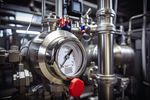
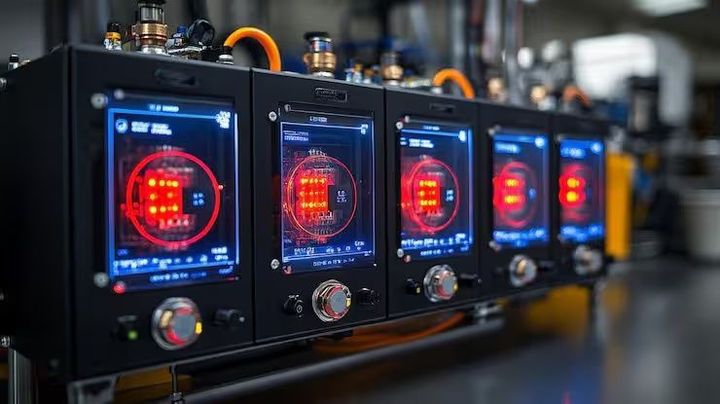
Industrial sensors are devices designed to detect, measure, and report physical or chemical conditions within industrial environments. These conditions may include temperature, pressure, proximity, motion, vibration, flow, light, or chemical composition. The primary purpose of industrial sensors is to convert real-world conditions into data that machines, systems, or operators can understand and use.
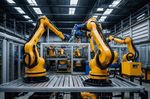
Industries rely on sensors to monitor processes that cannot be observed manually at all times. In manufacturing, sensors track machine performance, production speed, and environmental safety. In energy and infrastructure, they measure variables such as pressure, temperature, and flow to maintain stable operations.
Over time, industrial sensors have evolved from simple mechanical switches to advanced digital systems. Modern sensors integrate with automation platforms and data networks, enabling consistent monitoring and data-driven decision-making.
Importance of Industrial Sensors
Industrial sensors play a central role in modern automated systems. Their importance continues to grow as industries become more connected and data-focused.
-
Supports automation
Provides real-time input to machines and control systems. -
Improves reliability
Detects abnormal conditions early to prevent failures. -
Enhances safety
Continuously monitors hazardous variables in industrial environments. -
Enables data-driven decisions
Collects data for analysis, optimization, and planning.
Industrial sensors impact operators, engineers, facility managers, and regulators. They help reduce downtime, improve consistency, and support quality control across industries.
Recent Updates in Industrial Sensor Technology
Industry Trends (2024–2025)
Industrial sensor technology has advanced significantly with improvements in connectivity, intelligence, and security. These trends reflect the growing demand for efficient and reliable monitoring systems.
-
Smart sensors
Devices with built-in processing capabilities for faster data analysis. -
Wireless sensor networks
Improved reliability in challenging environments like vibration and extreme temperatures. -
Cybersecurity focus
Increased emphasis on secure communication and data protection. -
Sustainability monitoring
Sensors track energy usage, emissions, and resource consumption.
These developments enhance operational efficiency and support modern industrial requirements.
Laws and Policies
Industrial sensors are governed by technical standards and regulatory frameworks. These ensure accuracy, safety, and reliability in industrial applications.
-
International standards
Organizations like ISO and IEC define testing methods and performance criteria. -
National policies (India)
Encourage automation, safety, and quality compliance in industries. -
Environmental regulations
Require monitoring of emissions and hazardous conditions. -
Safety compliance
Ensures sensors meet durability and accuracy requirements.
These frameworks support consistent industrial practices and risk management.
Tools and Resources
Various tools and learning resources help professionals understand and use industrial sensors effectively. These are widely used in engineering, manufacturing, and research.
-
Technical documentation
Standards and guidelines for sensor classification and testing. -
Automation software platforms
Visualize sensor data through dashboards and analytics. -
Simulation tools
Model sensor behavior under different conditions. -
Digital knowledge libraries
Provide information on measurement and instrumentation. -
Technical forums and research publications
Share case studies and technological developments.
Common Industrial Sensors and Applications
| Sensor Type | Measured Variable | Typical Applications |
|---|---|---|
| Temperature Sensor | Heat and cold levels | Process control, safety systems |
| Pressure Sensor | Gas or liquid force | Pipelines, hydraulic systems |
| Proximity Sensor | Object detection | Automation, counting systems |
| Flow Sensor | Liquid or gas movement | Energy, chemical processing |
| Vibration Sensor | Mechanical movement | Equipment condition monitoring |
These tools and references support both learning and practical implementation in industrial environments.
Frequently Asked Questions
What is the difference between industrial and consumer sensors?
Industrial sensors are built for harsh environments and continuous operation. Consumer sensors are typically designed for lighter use and controlled conditions.
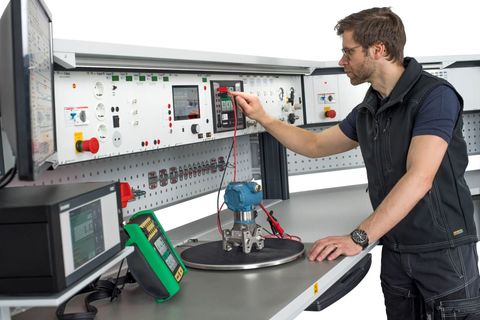
How are industrial sensors calibrated?
Calibration involves comparing sensor readings with known reference values. This ensures accuracy and is usually performed according to established standards.
Can industrial sensors operate in extreme environments?
Yes, many industrial sensors are designed to function under high temperatures, pressure, vibration, and corrosive conditions depending on their construction.
Why is data accuracy important?
Accurate data supports safe operations, consistent product quality, and informed decision-making. Inaccurate readings can lead to inefficiencies or risks.
How do sensors communicate with control systems?
Sensors use wired or wireless communication protocols to send data to controllers, monitoring systems, or digital platforms.
Conclusion
Industrial sensors are fundamental to modern industry, enabling monitoring, automation, and data-driven operations. They convert physical conditions into meaningful data that supports efficiency and safety.
Recent advancements in smart sensing, wireless connectivity, and cybersecurity continue to expand their capabilities. Understanding industrial sensors helps professionals and learners navigate an increasingly automated and interconnected industrial environment.