Industrial Sewing Machines Guide for Fabric Handling and Manufacturing Knowledge
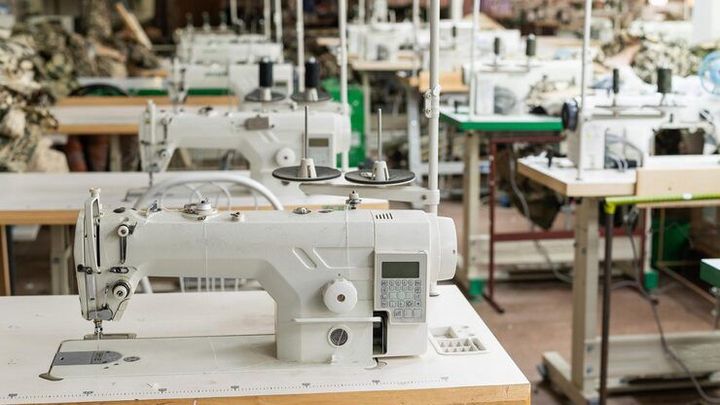
Industrial sewing machines are specialized machines designed for large-scale fabric handling and manufacturing tasks.
Unlike household sewing equipment, these machines are built to operate continuously for long periods while handling thicker materials, multiple fabric layers, and repetitive stitching patterns. Industrial sewing machines became widely used during the growth of textile production in the nineteenth and twentieth centuries, when factories needed faster and more consistent stitching methods.
Today, industrial sewing machine manufacturers produce many categories of machines for different industries. Clothing factories, furniture makers, automotive suppliers, and footwear producers commonly use commercial sewing machines industrial systems to support daily production activities. Some machines are designed for lightweight fabrics, while others are intended for denim, canvas, upholstery, or leather materials.
Heavy duty industrial sewing machines are often used in environments where strong stitching and durable seams are necessary. Modern factories also rely on automatic industrial sewing machines and computerized industrial sewing machines to improve consistency and reduce manual adjustments during production.
The industrial sewing sector includes several machine types:
| Machine Type | Main Purpose | Common Materials |
|---|---|---|
| Lockstitch machines | General stitching | Cotton, polyester |
| Overlock machines | Edge finishing | Knit fabrics |
| Flatlock machines | Stretch seams | Sportswear |
| Industrial embroidery sewing machines | Decorative stitching | Fabric panels |
| Walking foot machines | Thick material handling | Leather, canvas |
| Cylinder arm machines | Curved stitching | Bags, shoes |
| High speed industrial sewing machines | Fast garment assembly | Lightweight fabrics |
Industrial sewing machines for leather are usually equipped with stronger motors, reinforced needles, and feeding systems that help move thick material layers evenly during stitching.
Importance
Industrial sewing technology affects many parts of daily life because stitched products appear in homes, transportation, healthcare, and fashion industries. Clothing, footwear, upholstery, protective gear, and luggage all depend on manufacturing processes supported by industrial sewing systems.
Manufacturing Efficiency
Factories use high speed industrial sewing machines to maintain consistent stitching during large production runs. Faster production can help reduce delays in textile manufacturing and improve product uniformity across batches.
Computerized industrial sewing machines can also store stitching patterns and automate repetitive tasks. This helps reduce manual adjustments and allows operators to work with more precision on complex designs.
Material Handling
Fabric handling is an important challenge in manufacturing. Lightweight fabrics may shift during sewing, while thicker materials may resist smooth feeding through the machine. Different industrial sewing machines are developed to manage these issues through specialized feed mechanisms and needle systems.
Examples include:
- Walking foot systems for layered fabrics
- Roller foot systems for leather surfaces
- Servo motor controls for speed adjustment
- Automatic thread trimming systems
- Needle positioning functions
Heavy duty industrial sewing machines are especially important in industries working with upholstery, tents, industrial covers, and protective equipment because these materials place additional strain on machine components.
Workforce and Skill Development
Industrial sewing operations also influence technical training and workforce education. Machine operators often learn fabric behavior, stitching techniques, maintenance procedures, and safety practices. Computerized systems now require additional digital skills for programming stitch patterns and adjusting automation settings.
Recent Updates
From 2024 to 2026, industrial sewing technology has continued moving toward automation, energy efficiency, and digital integration. Many industrial sewing machine manufacturers are focusing on systems that reduce material waste and improve production tracking.
Growth of Automation
Automatic industrial sewing machines are becoming more common in garment production facilities. These systems may include:
- Automated fabric feeding
- Digital stitch counting
- Pattern memory functions
- Automatic tension adjustment
- Sensor-based thread monitoring
Automation is particularly useful for repetitive stitching tasks where consistency is important across large quantities of products.
Expansion of Smart Manufacturing
Computerized industrial sewing machines are increasingly connected to factory management software. Some manufacturing environments now use machine monitoring systems that track:
- Stitch counts
- Machine operating time
- Needle break frequency
- Energy consumption
- Production output
These monitoring systems support broader smart manufacturing strategies within textile production facilities.
Energy-Efficient Motors
Older clutch motors are gradually being replaced by servo motors in many sewing operations. Servo motors generally produce less noise and allow more precise speed control. This trend has become more visible in both garment factories and smaller workshops.
Advanced Embroidery Technology
Industrial embroidery sewing machines have also changed significantly in recent years. Multi-head embroidery systems can now process larger fabric sections while handling more complex digital designs. These systems are commonly used for uniforms, sportswear, and branded textile products.
Sustainable Production Trends
Textile manufacturers are also examining ways to reduce material waste. Some modern industrial sewing systems use digital cutting alignment and automated stitching placement to improve fabric utilization during production.
Laws or Policies
Industrial sewing machine operations are shaped by workplace regulations, equipment safety standards, and environmental policies. Rules vary by country, but many manufacturing regions follow similar principles related to worker safety and industrial operations.
Workplace Safety Regulations
Factories using commercial sewing machines industrial equipment must often follow workplace safety requirements covering:
- Machine guarding
- Needle protection systems
- Electrical safety
- Ventilation standards
- Operator training
- Noise exposure management
In many countries, labor authorities inspect manufacturing environments to ensure machines are operated safely.
Electrical and Energy Standards
Industrial sewing machines that use electric motors may need to comply with national electrical safety certifications. Energy-efficient equipment standards are also becoming more important as governments encourage lower industrial energy consumption.
Environmental Policies
Textile production can generate fabric waste, oil residue, and packaging materials. Some regions now require manufacturers to follow waste management guidelines and recycling practices during industrial production.
Environmental policies may also affect:
- Lubrication systems
- Motor efficiency
- Chemical handling
- Wastewater management
- Packaging materials
Import and Manufacturing Standards
Industrial sewing machine manufacturers operating internationally may need to comply with trade regulations and product certification standards. These standards can include electrical compliance testing and workplace equipment safety requirements.
Tools and Resources
Several digital tools and educational resources help people understand industrial sewing systems and textile manufacturing processes.
Machine Manuals and Technical Platforms
Most industrial sewing machine manufacturers provide digital manuals and maintenance guides through official websites. These resources often include threading instructions, lubrication schedules, troubleshooting steps, and machine diagrams.
CAD Pattern Software
Computer-aided design software is widely used in garment manufacturing. These platforms help designers create digital patterns before fabric cutting and stitching begin.
Common features include:
- Pattern grading
- Fabric layout planning
- Stitch simulation
- Measurement adjustments
Production Tracking Systems
Many factories use production monitoring software to manage workflow and machine performance. These systems may record stitching output, maintenance intervals, and production targets.
Online Learning Platforms
Educational websites and technical institutes provide training materials related to industrial sewing machines for leather, embroidery systems, and automated sewing equipment. Video demonstrations are commonly used to explain threading methods, machine setup, and maintenance procedures.
Maintenance Checklists
Routine maintenance is important for industrial sewing operations. Maintenance checklists commonly include:
| Maintenance Area | Typical Inspection Task |
|---|---|
| Needle condition | Check for bending or dullness |
| Thread tension | Verify balanced stitching |
| Lubrication | Inspect oil levels |
| Feed mechanism | Remove lint buildup |
| Motor performance | Monitor unusual vibration |
| Belt condition | Check alignment and wear |
FAQs
What are industrial sewing machines used for?
Industrial sewing machines are used for large-scale stitching and manufacturing tasks involving clothing, upholstery, footwear, automotive interiors, bags, and technical textiles. These machines are designed for continuous operation and material-specific sewing processes.
How are commercial sewing machines industrial systems different from household machines?
Commercial sewing machines industrial systems are typically faster, more durable, and designed for repetitive manufacturing work. Household machines are generally intended for lighter use and smaller sewing projects.
What materials can heavy duty industrial sewing machines handle?
Heavy duty industrial sewing machines can handle materials such as leather, denim, canvas, upholstery fabric, vinyl, and layered textiles. Different machine configurations are used depending on material thickness and stitching requirements.
Why are computerized industrial sewing machines becoming more common?
Computerized industrial sewing machines help improve stitching consistency and allow digital control of sewing patterns, speed settings, and automation features. Many factories use them to support efficient production processes.
What are industrial embroidery sewing machines used for?
Industrial embroidery sewing machines are used to create decorative stitching patterns, logos, lettering, and detailed fabric designs. They are commonly used in uniform production, sportswear manufacturing, and decorative textile work.
Conclusion
Industrial sewing machines play an important role in modern textile and manufacturing industries. Different machine types are designed for fabric handling, decorative stitching, leather processing, and high-volume production tasks. Recent developments in automation, digital controls, and energy-efficient motors continue to shape how factories manage sewing operations. Regulations related to safety, energy use, and manufacturing standards also influence how these machines are used across different industries.