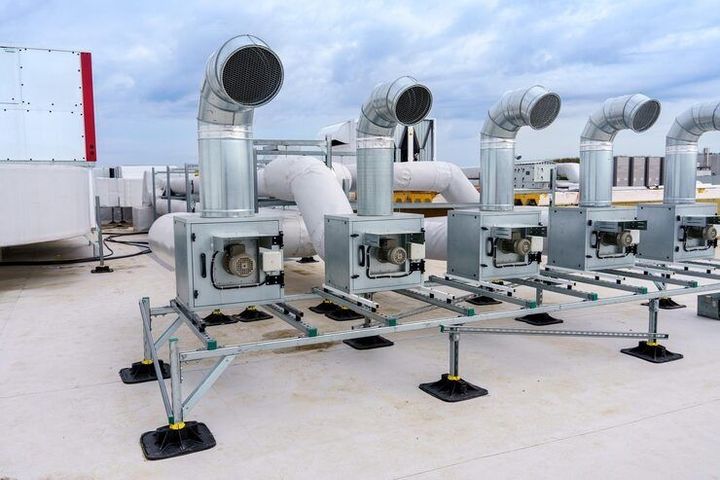
Industrial Ventilation Systems Tips to Improve Factory Air Quality
Industrial ventilation systems are designed to control air quality in manufacturing and production environments. These systems manage airborne contaminants such as dust, fumes, vapors, and heat by circulating fresh air and removing polluted air. In factories where machinery, chemicals, or high-temperature processes are common, maintaining clean air is essential for both operational efficiency and worker well-being.
Ventilation systems typically include components such as exhaust fans, ducts, air filters, and air handling units. There are two main types: general ventilation, which dilutes contaminated air, and local exhaust ventilation, which targets pollutants at their source. These systems exist because industrial processes naturally generate harmful airborne substances that cannot be ignored.
Factories rely on ventilation not only to meet safety expectations but also to maintain stable working conditions. Poor air circulation can lead to increased humidity, heat buildup, and accumulation of hazardous particles, which can disrupt productivity and equipment performance.
Why Industrial Ventilation Matters in Modern Factories
Industrial air quality has become increasingly important due to stricter environmental awareness and workplace safety standards. Workers in manufacturing environments are directly affected by air quality, especially in industries such as metal fabrication, textiles, chemicals, and food processing.
Key reasons why ventilation systems are essential today include:
- Health protection: Reduces exposure to airborne pollutants that may cause respiratory issues or long-term health risks
- Productivity improvement: Cleaner air supports better focus and fewer interruptions caused by discomfort
- Equipment longevity: Prevents dust buildup and corrosion that can damage machinery
- Regulatory compliance: Helps industries align with environmental and occupational safety requirements
Common problems solved by effective ventilation systems include:
- Accumulation of toxic fumes
- Excessive heat in enclosed environments
- Poor oxygen levels
- Spread of airborne particles
The importance extends beyond worker safety. Industries also face increasing pressure to reduce emissions and improve sustainability. Efficient ventilation contributes to lower environmental impact by controlling pollutant release.
Recent Updates and Trends in Industrial Ventilation (2025–2026)
In the past year, industrial ventilation has seen notable advancements driven by technology and environmental priorities. As of 2025 and early 2026, several trends are shaping how factories approach air quality management.
- Smart ventilation systems: Integration of IoT sensors allows real-time monitoring of air quality, temperature, and humidity. These systems automatically adjust airflow based on conditions
- Energy-efficient designs: New systems focus on reducing energy consumption while maintaining performance, using variable speed drives and optimized airflow patterns
- AI-based monitoring: Artificial intelligence tools are being used to predict maintenance needs and detect inefficiencies in ventilation systems
- Stronger air filtration technologies: High-efficiency particulate air (HEPA) filters and advanced filtration materials are increasingly adopted
- Sustainability focus: Industries are adopting eco-friendly ventilation strategies to reduce carbon emissions and improve environmental compliance
A notable update in 2025 includes increased adoption of hybrid ventilation systems that combine natural and mechanical methods. These systems improve airflow while reducing dependency on energy-intensive equipment.
Regulations and Policies Affecting Industrial Ventilation
Industrial ventilation systems are closely tied to occupational safety and environmental regulations. In India, several laws and guidelines influence how factories manage air quality.
- Factories Act, 1948: Mandates proper ventilation and temperature control to ensure safe working conditions
- National Building Code (NBC): Provides guidelines for ventilation design in industrial buildings
- Central Pollution Control Board (CPCB): Sets standards for air emissions and pollution control
- State Pollution Control Boards (SPCBs): Monitor and enforce air quality compliance at the regional level
- Occupational Safety, Health and Working Conditions Code (2020): Emphasizes workplace safety, including air quality management
These regulations require industries to:
- Maintain adequate airflow
- Control hazardous emissions
- Monitor air quality regularly
- Implement corrective measures when limits are exceeded
Failure to meet these standards can result in operational restrictions or penalties. As environmental policies become stricter, industries are encouraged to adopt advanced ventilation systems to remain compliant.
Tools and Resources for Improving Industrial Air Quality
A variety of tools and resources are available to help industries manage and optimize ventilation systems effectively. These tools assist in monitoring, analysis, and system design.
Common tools and technologies include:
- Air quality monitoring devices (PM2.5, PM10 sensors)
- HVAC design software for airflow simulation
- Energy efficiency calculators
- Maintenance tracking systems
- Industrial IoT platforms for real-time monitoring
Useful resources and platforms:
- Government guidelines from CPCB and Ministry of Labour
- Online airflow calculators for system design
- Industry standards documentation (ASHRAE guidelines)
- Training modules for workplace safety
Below is a simple table showing key ventilation tools and their functions:
| Tool Type | Purpose |
|---|---|
| Air Quality Sensors | Measure pollutants and particulate levels |
| HVAC Simulation Software | Design and optimize airflow systems |
| Energy Monitoring Systems | Track energy consumption of ventilation |
| Predictive Maintenance Tools | Identify system faults early |
| Data Dashboards | Visualize real-time air quality metrics |
Basic airflow improvement concept:
Fresh Air Intake → Filtration → Air Circulation → Pollutant Extraction → Exhaust
This process ensures continuous removal of contaminated air while supplying clean air into the workspace.
Frequently Asked Questions About Industrial Ventilation Systems
What is the main purpose of an industrial ventilation system?
The main purpose is to maintain safe and clean air by removing contaminants such as dust, fumes, and heat, while supplying fresh air to the workspace.
How often should ventilation systems be maintained?
Maintenance frequency depends on usage and environment, but regular inspections every few months and detailed servicing annually are commonly recommended for optimal performance.
What industries need ventilation systems the most?
Industries such as manufacturing, chemical processing, metalworking, textiles, and food production rely heavily on ventilation due to high levels of airborne pollutants.
Can ventilation systems improve energy efficiency?
Yes, modern systems are designed to optimize airflow and reduce energy consumption through smart controls and efficient components.
What are signs of poor ventilation in a factory?
Common signs include excessive heat, unpleasant odors, visible dust accumulation, worker discomfort, and reduced productivity.
Conclusion
Industrial ventilation systems play a critical role in maintaining safe and efficient factory environments. They are essential for controlling air quality, protecting workers, and ensuring smooth industrial operations. As technology evolves, modern ventilation systems are becoming smarter, more energy-efficient, and better aligned with environmental goals.
With increasing regulatory requirements and awareness about workplace safety, industries must pay close attention to their ventilation strategies. By adopting advanced tools, following compliance standards, and staying updated with recent trends, factories can significantly improve their air quality.