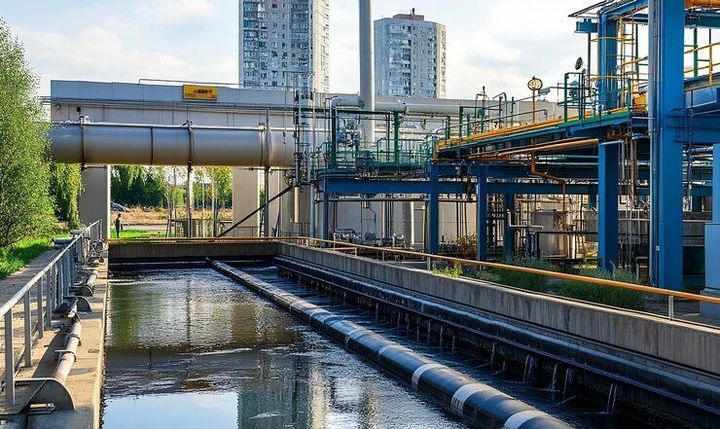
Industrial Wastewater Recycling: Process, Treatment Technologies & ZLD Guide
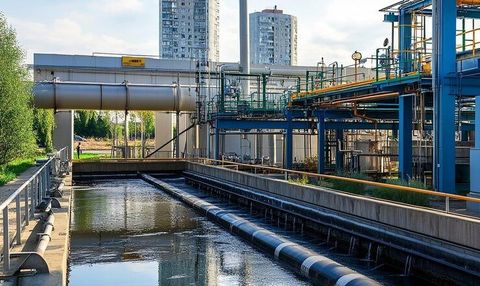
Industrial wastewater recycling is the process of collecting, treating, and reusing water generated during industrial operations. Manufacturing plants, food processing facilities, textile units, chemical industries, pharmaceutical plants, power stations, mining operations, and many other industries generate wastewater as part of daily production.
Instead of releasing this water directly into rivers, lakes, or municipal drainage systems, industries increasingly treat and recycle it for reuse in cooling systems, cleaning operations, boilers, irrigation, or production processes.
Water scarcity, stricter environmental regulations, and growing sustainability goals have made wastewater recycling an essential part of modern industrial management. Today, advanced treatment technologies allow industries to recover significant amounts of water while reducing pollution and conserving natural resources.
The concept exists because freshwater resources are limited, while industrial demand continues to grow. Recycling wastewater helps balance economic growth with environmental protection.
Why Industrial Wastewater Recycling Matters
Water is one of the most important resources for industrial production. However, increasing industrialization and urban development have placed tremendous pressure on freshwater supplies.
Industrial wastewater recycling provides several important benefits:
- Reduces freshwater consumption
- Protects rivers, lakes, and groundwater
- Supports sustainable manufacturing
- Improves long-term water security
- Reduces environmental pollution
- Encourages efficient resource management
- Supports compliance with environmental regulations
Many industries now integrate recycling systems into their environmental management strategies to reduce operational risks associated with water shortages.
The topic affects a wide range of stakeholders, including:
- Manufacturing industries
- Environmental agencies
- Local communities
- Water management authorities
- Engineers and environmental professionals
- Industrial planners
- Sustainability teams
How Industrial Wastewater Recycling Works
The recycling process generally follows several treatment stages designed to remove contaminants before water is reused.
| Treatment Stage | Primary Purpose |
|---|---|
| Preliminary Treatment | Removes large solids and debris |
| Primary Treatment | Separates suspended particles |
| Secondary Treatment | Removes biodegradable organic matter |
| Tertiary Treatment | Improves water quality through advanced filtration |
| Advanced Treatment | Removes dissolved salts, chemicals, and microorganisms |
| Water Reuse | Returns treated water to industrial applications |
The exact treatment sequence depends on the industry and the quality of water required for reuse.
Common Industrial Wastewater Treatment Technologies
Modern facilities use different technologies depending on wastewater composition.
Physical Treatment
Physical treatment removes suspended particles through:
- Screening
- Sedimentation
- Flotation
- Filtration
These methods are usually the first stage of treatment.
Chemical Treatment
Chemical treatment helps remove dissolved contaminants using:
- Coagulation
- Flocculation
- Neutralization
- Oxidation
- Chemical precipitation
These techniques improve overall water quality before advanced treatment.
Biological Treatment
Biological treatment relies on microorganisms that naturally break down organic pollutants.
Common biological systems include:
- Activated sludge
- Biofilm reactors
- Aerobic treatment
- Anaerobic digestion
- Membrane bioreactors
These systems are widely used across multiple industries.
Membrane Filtration
Membrane technology has become increasingly important for high-quality water recovery.
Examples include:
- Microfiltration
- Ultrafiltration
- Nanofiltration
- Reverse osmosis
These systems remove extremely small particles, bacteria, viruses, and dissolved salts.
Understanding Zero Liquid Discharge (ZLD)
Zero Liquid Discharge (ZLD) is an advanced wastewater management approach designed to recover nearly all water from industrial wastewater while minimizing liquid waste disposal.
Instead of discharging treated water, ZLD systems recover reusable water and convert remaining waste into solid residues suitable for handling according to environmental regulations.
A typical ZLD process may include:
- Pretreatment
- Membrane filtration
- Reverse osmosis
- Evaporation
- Crystallization
- Solid waste collection
Industries with high water consumption or strict discharge requirements increasingly adopt ZLD systems to improve water recovery and environmental performance.
Comparison of Major Treatment Technologies
| Technology | Main Purpose | Typical Application |
| Sedimentation | Remove solids | Primary treatment |
| Biological Treatment | Remove organic matter | Secondary treatment |
| Reverse Osmosis | Remove dissolved salts | Water recycling |
| Ultrafiltration | Remove microorganisms | Pretreatment |
| Evaporation | Water recovery | ZLD systems |
| Activated Carbon | Remove odor and organics | Final polishing |
Recent Updates and Industry Trends
Industrial wastewater treatment continues to evolve rapidly as industries pursue higher recycling rates and improved sustainability.
During 2025 and early 2026, several trends have gained attention across global manufacturing sectors.
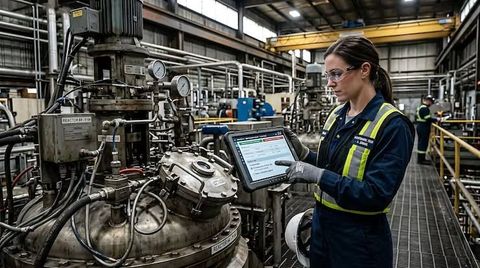
Greater adoption of digital monitoring systems allows operators to track water quality continuously using sensors and automated controls. These systems improve operational efficiency and enable faster response to changing treatment conditions.
Artificial intelligence and predictive analytics are increasingly used to optimize treatment performance, detect equipment issues, and reduce unnecessary water losses.
Membrane technologies continue to improve, with newer designs offering longer operating life, higher filtration efficiency, and lower energy consumption.
Many countries have also expanded national water conservation initiatives that encourage improved industrial water management, especially in regions experiencing water stress.
Sustainability reporting has become more common, leading many organizations to measure water recycling performance alongside energy efficiency and carbon reduction initiatives.
Laws and Policies Related to Industrial Wastewater Recycling
Industrial wastewater recycling is influenced by environmental regulations that aim to protect public health and natural water resources.
Many countries require industries to monitor wastewater quality before discharge and maintain compliance with environmental standards.
Common regulatory areas include:
- Wastewater discharge limits
- Water quality monitoring
- Pollution prevention requirements
- Environmental impact assessments
- Hazardous waste management
- Water conservation initiatives
In India, industrial wastewater management is governed through environmental legislation administered by national and state pollution control authorities. Industries operating in environmentally sensitive regions may face additional discharge requirements, particularly where Zero Liquid Discharge policies apply.
Other countries have similar regulatory frameworks that promote responsible water use, encourage recycling, and reduce industrial pollution through environmental compliance programs.
Helpful Tools and Resources
Several general resources help industries understand wastewater recycling and improve environmental management.
Useful categories include:
- Water quality calculators
- Wastewater flow estimation tools
- Environmental compliance checklists
- Water balance templates
- Laboratory testing guidance documents
- Process monitoring dashboards
- Sustainability reporting templates
- Water auditing worksheets
- Industrial environmental training materials
These resources help engineers, environmental managers, and facility operators evaluate treatment performance and support informed decision-making.
Industrial Wastewater Recycling Process Overview
Industrial Process
        │
Wastewater Collection
        │
Primary Treatment
        │
Secondary Treatment
        │
Advanced Filtration
        │
Water Quality Testing
        │
Water Reuse
        │
Minimal Residual Waste
Frequently Asked Questions
What is industrial wastewater recycling?
Industrial wastewater recycling is the treatment and reuse of water generated during industrial operations. The objective is to reduce freshwater consumption while protecting the environment.
What is Zero Liquid Discharge?
Zero Liquid Discharge, commonly called ZLD, is a wastewater treatment approach that recovers nearly all water from industrial wastewater while converting the remaining waste into solid materials for safe handling.
Which industries commonly recycle wastewater?
Industries such as textiles, pharmaceuticals, chemicals, food processing, power generation, mining, paper manufacturing, electronics, and metal processing frequently implement wastewater recycling systems.
Why is wastewater treatment important?
Wastewater treatment reduces pollution, protects ecosystems, conserves freshwater resources, supports sustainable industrial development, and helps industries meet environmental regulations.
What technologies are commonly used for industrial wastewater treatment?
Common technologies include sedimentation, biological treatment, membrane filtration, reverse osmosis, activated carbon filtration, chemical treatment, evaporation, and crystallization systems used within advanced recycling facilities.
Conclusion
Industrial wastewater recycling has become an important component of sustainable industrial development. As freshwater resources become increasingly valuable, industries are adopting advanced treatment technologies that improve water efficiency while reducing environmental impacts.