Industrial Cheese and Paneer Manufacturing Explained: Machines, Technology & Industry Trends
Industrial cheese and paneer manufacturing plays an important role in today's dairy processing industry. As consumer demand for dairy products continues to increase, manufacturers rely on advanced processing equipment and standardized production methods to maintain quality, consistency, hygiene, and efficiency.
Cheese and paneer are produced using different manufacturing processes, yet both depend on careful milk handling, temperature control, quality testing, and food safety practices. Modern production facilities combine automation, precision equipment, and digital monitoring systems to improve production while reducing waste and maintaining consistent product quality.
This guide explains how industrial cheese and paneer manufacturing works, why it is important, recent industry developments, regulatory considerations, useful production resources, and answers to common questions.
Understanding Industrial Cheese and Paneer Manufacturing
Industrial cheese and paneer manufacturing refers to the large-scale processing of milk into dairy products using specialized machinery, controlled processing environments, and standardized production techniques.
Traditional dairy preparation often depends on manual methods. Industrial manufacturing improves production by using automated equipment that controls temperature, mixing, pressing, cutting, cooling, and packaging with greater accuracy.
The manufacturing process generally begins with fresh milk collection and quality testing. The milk is filtered, standardized, pasteurized, and prepared before different production methods are used for cheese or paneer.
For cheese manufacturing, cultures, enzymes, and controlled fermentation help develop texture and flavor. Paneer production mainly relies on controlled coagulation using food-grade acidic ingredients followed by pressing and cooling.
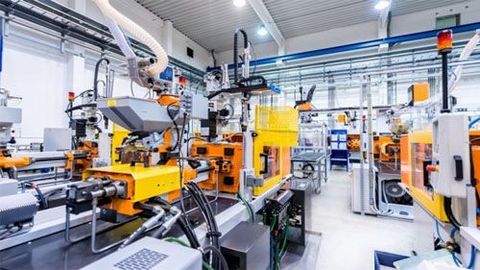
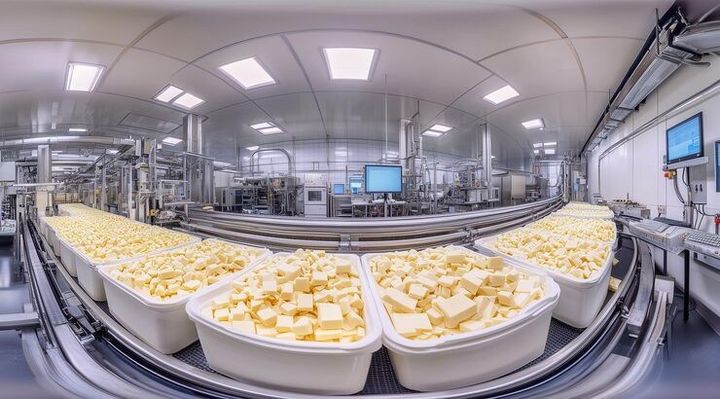
Modern dairy facilities include multiple processing stages supported by advanced equipment.
Common Industrial Equipment
- Milk storage tanks
- Milk pasteurizers
- Homogenization systems
- Cheese vats
- Paneer coagulation tanks
- Curd cutting machines
- Pressing equipment
- Cooling systems
- Conveyor systems
- Automated packaging machines
- Quality inspection systems
- Cleaning-in-place (CIP) systems
Digital monitoring technologies also help maintain production consistency while improving traceability across manufacturing operations.
Importance
Why Industrial Cheese and Paneer Manufacturing Matters
The dairy industry continues to expand due to changing food preferences, urbanization, and increasing demand for processed dairy products. Industrial manufacturing supports this demand by producing consistent products while following food safety standards.
Modern manufacturing benefits several industries.
- Dairy processing plants
- Food manufacturing companies
- Hospitality businesses
- Institutional kitchens
- Retail food supply chains
- Export-oriented dairy industries
Key Advantages
- Improved production efficiency
- Better hygiene management
- Consistent product quality
- Reduced processing variations
- Improved temperature control
- Better inventory management
- Easier quality monitoring
- Enhanced food safety practices
Automation also reduces repetitive manual handling and improves production planning.
Importance of Advanced Manufacturing Technology
Industrial facilities increasingly integrate automation with digital monitoring systems.
Examples include:
- Programmable production controls
- Real-time process monitoring
- Automated milk flow management
- Smart temperature sensors
- Digital production records
- Predictive maintenance systems
- Production analytics
- Energy optimization technologies
These technologies support better operational efficiency while maintaining product consistency.
Recent Updates
The industrial dairy manufacturing sector has experienced several notable developments during 2025 and early 2026.
Growing Automation
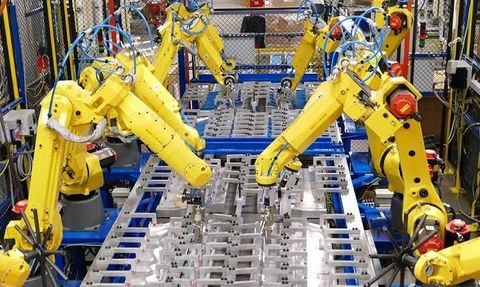
Many manufacturing facilities are expanding the use of automated production lines to improve consistency, reduce production interruptions, and enhance traceability.
Smart Manufacturing Adoption
Digital monitoring systems are becoming increasingly common. Sensors continuously monitor processing temperatures, pressure levels, milk quality, and production parameters.
Energy-Efficient Equipment
Manufacturers are introducing machinery designed to reduce electricity and water consumption while improving processing efficiency.
Improved Hygiene Technologies
Cleaning systems have become more advanced, allowing automated sanitation without dismantling production equipment. These systems help reduce contamination risks.
Sustainable Packaging Focus
During 2025, many dairy manufacturers increased interest in recyclable and environmentally responsible packaging materials while improving production efficiency.
Artificial Intelligence Applications
AI-assisted production monitoring is gradually being introduced for predictive maintenance, quality inspection, and production optimization.
Traceability Improvements
Digital batch tracking has become more common, helping manufacturers improve product traceability throughout the supply chain.
Laws or Policies
Industrial cheese and paneer manufacturing must comply with food safety regulations established by national authorities.
Although regulations differ between countries, most focus on food hygiene, milk quality, processing standards, labeling requirements, and consumer safety.
India
Industrial dairy manufacturing generally follows regulations issued under national food safety legislation. These regulations cover:
- Milk quality standards
- Food hygiene requirements
- Manufacturing practices
- Packaging requirements
- Labeling standards
- Food testing procedures
- Processing facility hygiene
Manufacturers are also expected to implement Good Manufacturing Practices (GMP) and Hazard Analysis and Critical Control Point (HACCP) principles to improve food safety.
International Manufacturing Practices
Many global dairy manufacturers also follow internationally recognized food safety systems such as:
- Food Safety Management Systems
- Good Hygiene Practices
- Quality Assurance Programs
- Risk Assessment Frameworks
- Product Traceability Systems
Compliance supports consumer confidence and product quality.
Tools and Resources
Industrial dairy production depends on several practical resources that help improve planning, monitoring, and manufacturing efficiency.
Production Planning Tools
- Production scheduling software
- Inventory planning templates
- Batch production logs
- Capacity planning worksheets
Quality Monitoring Resources
- Temperature monitoring systems
- Digital weighing equipment
- Moisture measurement devices
- Laboratory testing checklists
Equipment Maintenance Resources
- Preventive maintenance schedules
- Equipment inspection checklists
- Digital maintenance records
- Spare parts inventory templates
Food Safety Resources
- HACCP documentation templates
- Cleaning schedules
- Sanitation checklists
- Employee hygiene records
- Quality audit forms
Learning Resources
Professionals often improve their knowledge through:
- Dairy technology training materials
- Manufacturing process guides
- Food safety manuals
- Industrial engineering publications
- Dairy research journals
These resources help manufacturers maintain efficient production while improving operational performance.
Comparison of Cheese and Paneer Manufacturing
| Feature | Cheese Manufacturing | Paneer Manufacturing |
|---|---|---|
| Main Process | Fermentation and coagulation | Acid coagulation |
| Aging | Often required | Usually not required |
| Texture Development | Controlled over time | Immediate after pressing |
| Production Time | Longer | Shorter |
| Equipment | Cheese vats, presses, aging systems | Coagulation tanks, presses, cooling units |
| Storage | Depends on cheese variety | Refrigerated storage |
Production Flow Overview
| Production Stage | Purpose |
| Milk Collection | Raw material preparation |
| Quality Testing | Verify milk quality |
| Pasteurization | Improve food safety |
| Standardization | Maintain consistency |
| Coagulation | Form curd |
| Cutting | Separate curd |
| Pressing | Shape the product |
| Cooling | Stabilize texture |
| Packaging | Protect product quality |
| Storage | Maintain freshness |
Frequently Asked Questions
What is industrial cheese manufacturing?
Industrial cheese manufacturing is the large-scale conversion of milk into different cheese varieties using specialized equipment, controlled processing conditions, and standardized production methods.
How is paneer manufactured in industrial facilities?
Paneer is produced by heating pasteurized milk, adding an approved food-grade acidic ingredient to form curds, separating the whey, pressing the curd into blocks, cooling it, and packaging it under hygienic conditions.
Why is automation important in dairy manufacturing?
Automation improves production consistency, enhances food safety, supports process monitoring, reduces manual handling, and helps maintain standardized manufacturing procedures.
Which industries use industrial cheese and paneer?
These products are widely used in food processing, restaurants, hospitality, institutional catering, retail distribution, and packaged food manufacturing.
What technologies are shaping the future of dairy manufacturing?
Emerging technologies include smart sensors, artificial intelligence, automated quality inspection, predictive maintenance, digital traceability systems, energy-efficient equipment, and data-driven production management.
Conclusion
Industrial cheese and paneer manufacturing continues to evolve through automation, digital monitoring, and improved food safety practices. Modern production facilities combine specialized machinery, standardized processing methods, and advanced quality management systems to deliver consistent dairy products while maintaining hygiene and operational efficiency.